Gallery

Day 2 – 30 Days Wild

“Explore somewhere wild” 

02/06/16

I travelled near enough 4 hours from the West Midlands to Suffolk, so I could visit RSPB Minsmere, and also be in the BBC Springwatch Unsprung audience!  Some of you will know, it’s a reserve right on the East Coast of England!  And is a host to a variety of habits, wildlife and of course, BBC Springwatch!  😃  I came over on the Wednesday night and stayed in near by Leiston, at the  Field End Guest House.TWT 30 Days Wild_countdown_02

I often wax-lyrical (to friends and family) about reserves that have a variety of habitats, I absolutely love them, because they are so enriching to explore and will be home to many different species of wildlife, which is fantastic to observe and have encounters with.

RSPB Minsmere certainly deserves it’s national recognition!  I will definitely be visiting again in the near future!  I arrived on the reserve at 10.30AM.


IMG_3493
I was very happy to be there!

IMG_3487
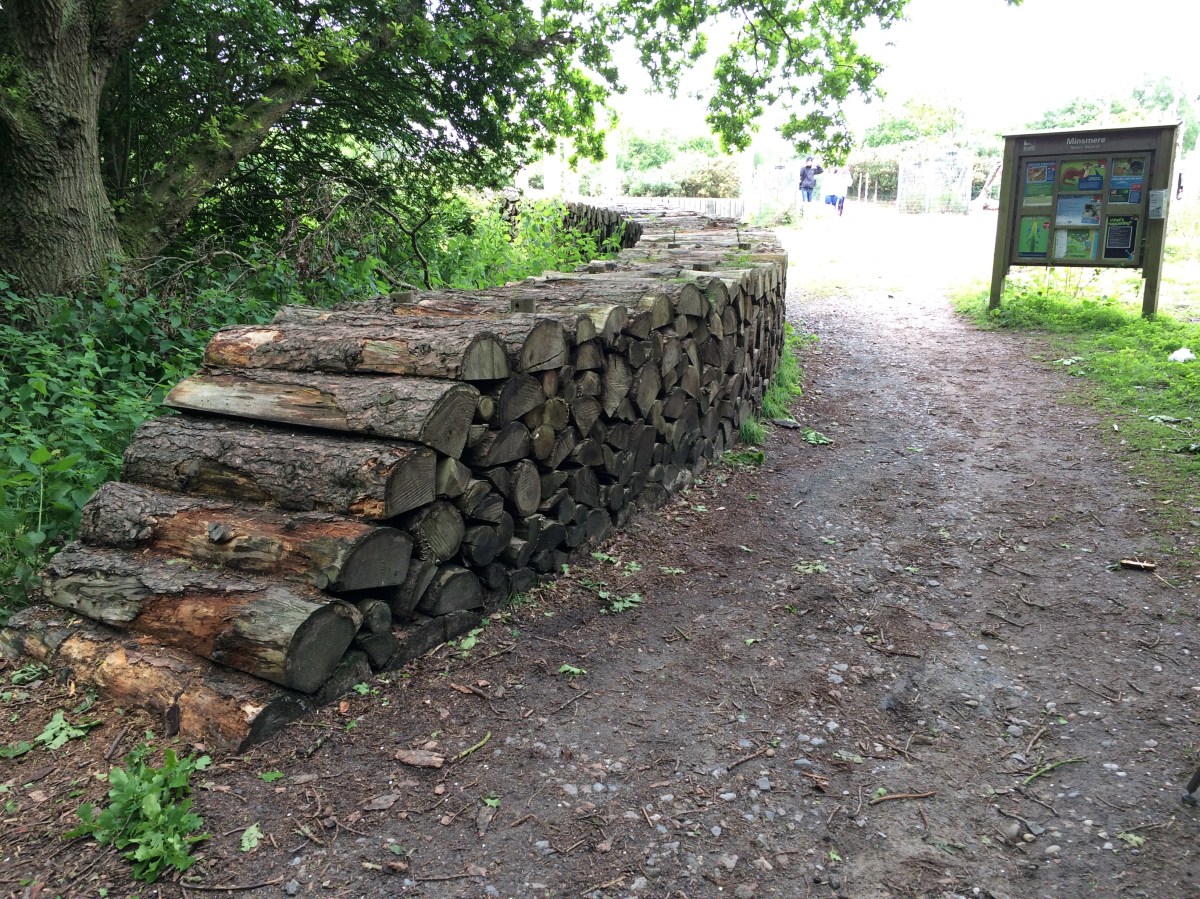
I love a good Log Pile and what an amazing extensive one this is!
Top Nature of the Day:


IMG_3501
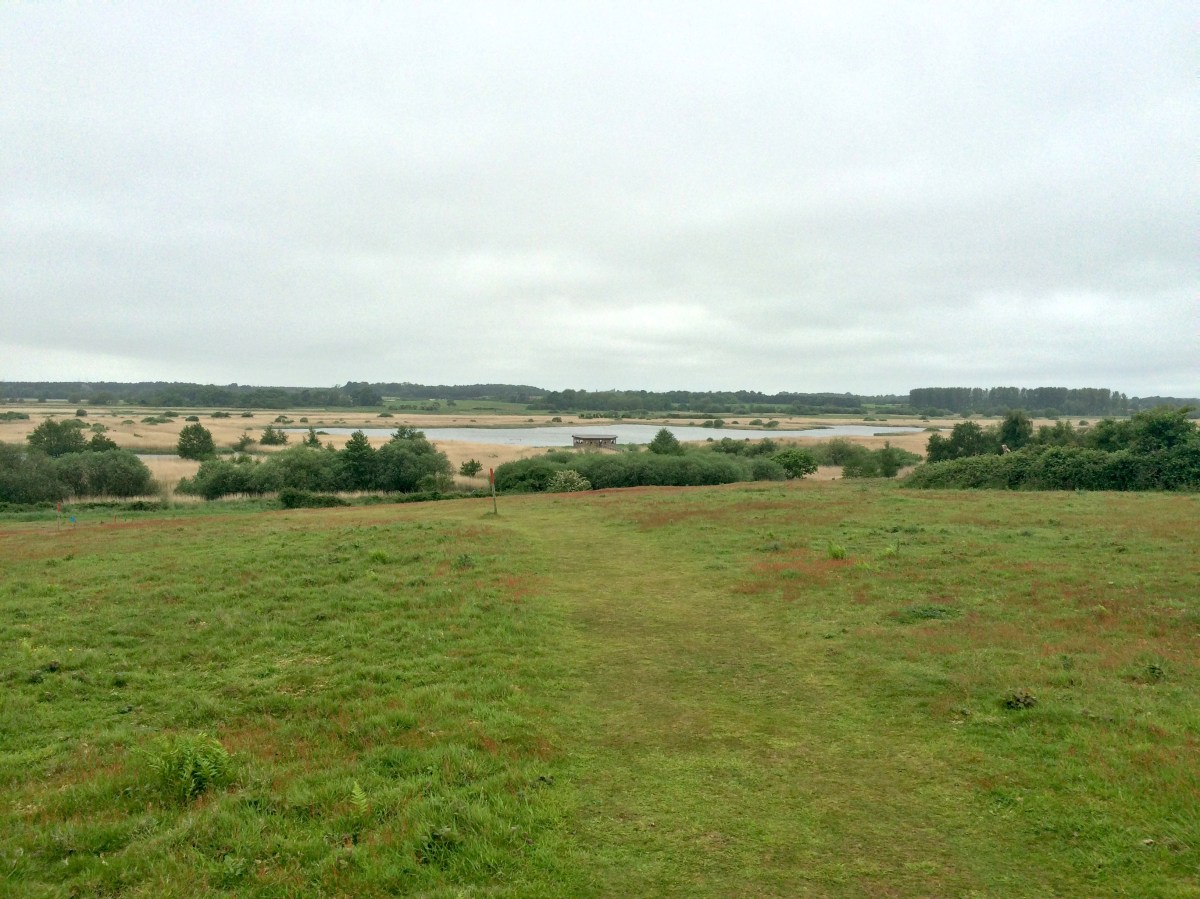
That’s the Bittern Hide in the distance

IMG_3498
said Orchid

IMG_3515_1
Observing the Stone-Curlew (in the distance)

IMG_3513
Sand Martin colony

IMG_3521
Sea Thrift
At 5.00PM it was time to load the car up and get ready for Springwatch UNSPRUNG!

IMG_3529
Cueing up for Unsprung with Gary

IMG_3532
Waiting to be let into the Studio! 

On_UNSRUNG_2016
To see me on UNSPRUNG click here!
 

Thanks for reading. 😄

Video

Realised Recently

I had a realisation recently, regarding the invertebrates I blogged about back in June… I’ll bee honest 😉  I didn’t think about what the Ruby-tailed Wasp may have been up to, but I was reminded in the September Issue of BBC Wildlife magazine – that they’re a kind of Cuckoo!  This jewel-like wasp, happened to be close to where the Mason Wasp was coming and going from!

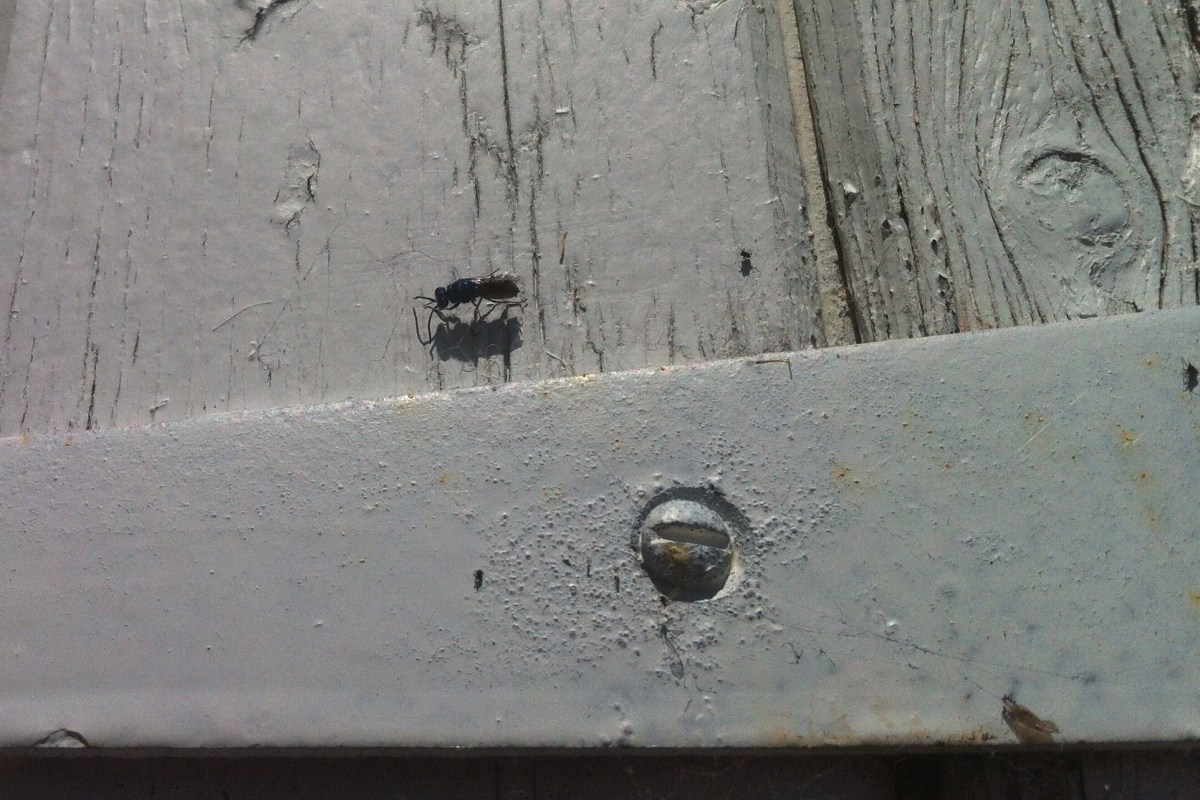
I only have this poor photo of these amazing Apocrita:

Ruby-tailed Wasp – blue top and red bottom

These weeny wasps (with metallic blue/turquoise tops and ruby red bottoms) lay their eggs in the nests of other Solitary Wasps, like the Mason Wasp!

When lava of the Ruby-tailed Wasp hatches, it eats the egg or grub of the host’s nest – which makes these sort of Wasps parasitoid (because they don’t live inside the host, they kill them instead).  September’s issue of BBC Wildlife also features “7 WAYS TO SAVE SOLITARY BEES”.

Thanks 🙂

Day 11 – 30 Days Wild

There’s the suggestion to “Follow a bee”, but to cut a long story short; I watched a few insects (no Bees today) after work.  What first caught my eye was a wee blue flying one!  A Ruby-tailed Wasp to be exact 🙂

Apologies for the poor images (phone snaps again).

The fly that caught my eye
Ruby-tailed Wasp – blue top and red bottom

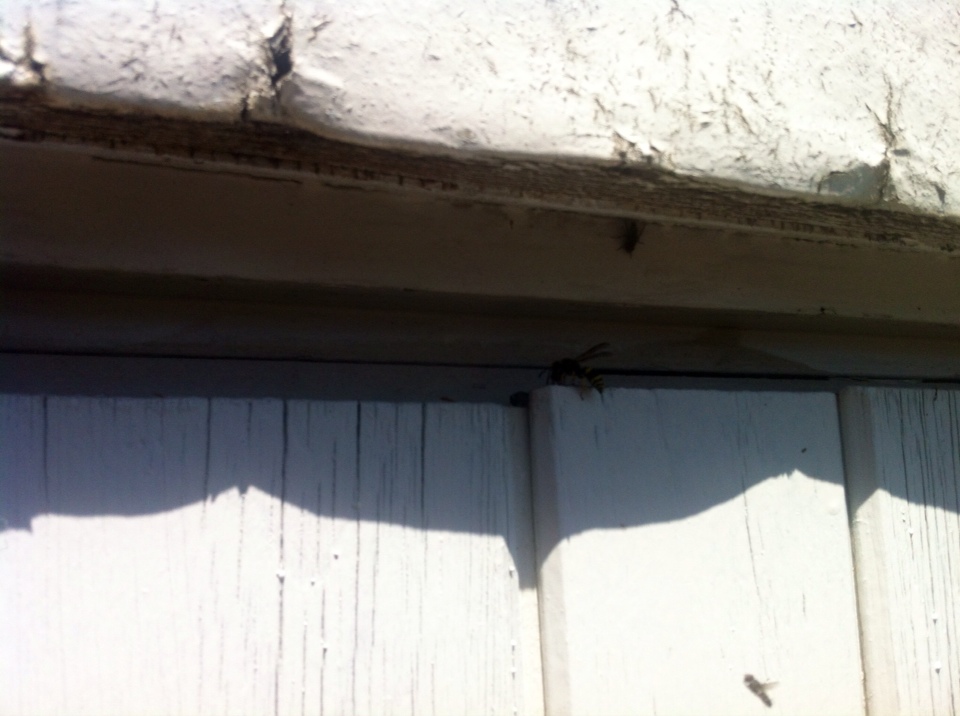
Something larger caught my eye and disappeared down the back of the shed door, a Mason Wasp!  Which I watched for a short while.

Mason Wasp
Mason Wasp
image-11-06-15-09-54
Flies followed it back to the shed, and sat outside

Something landed on my hand and startled me!  After all, I was Wasp-watching.  I shook it off and it flew on to the shed door, which seems a popular place for flying insects.

image-11-06-15-09-54-2
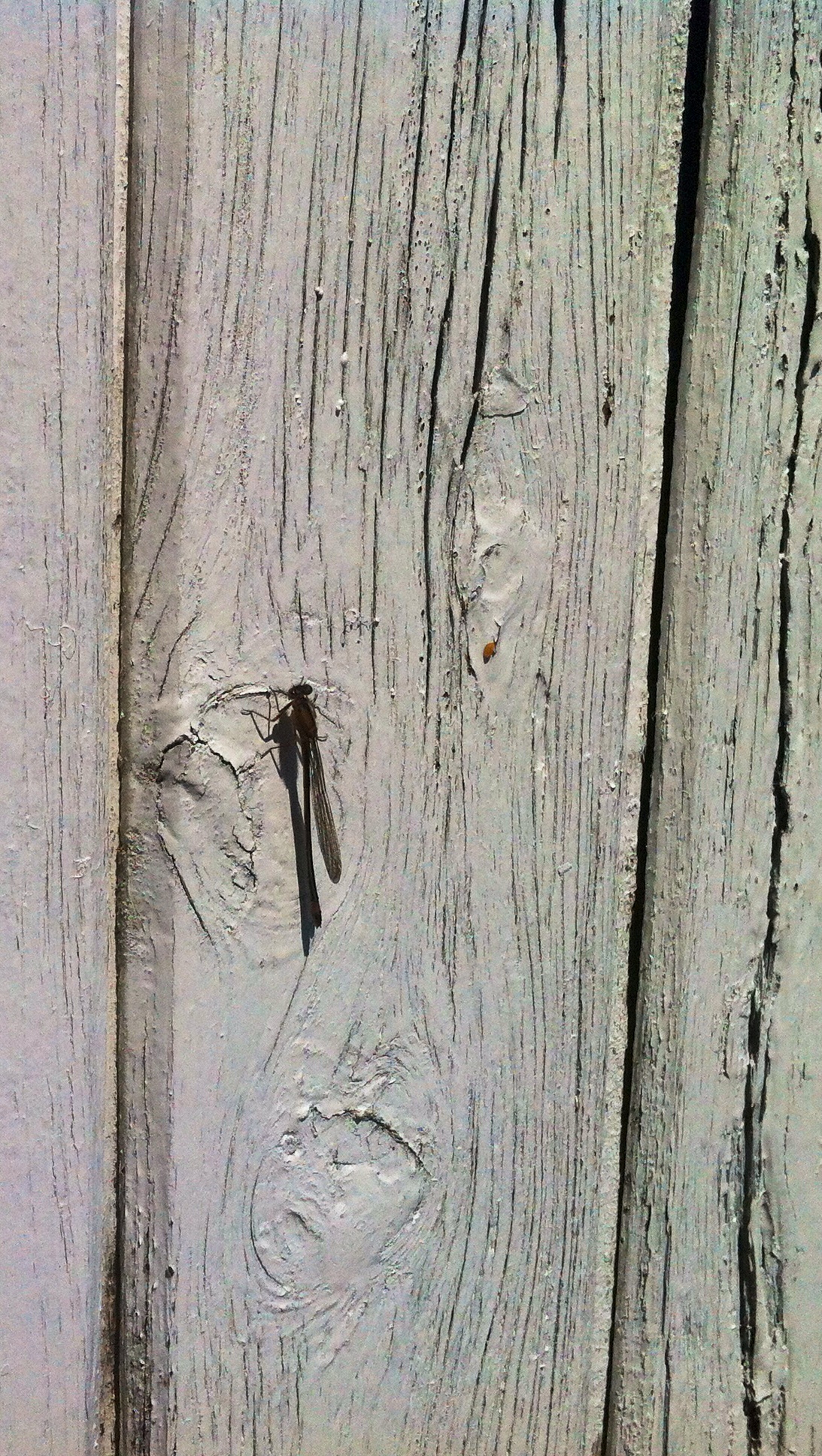
It was a Damselfly! It was brown in colour

A couple clips of the Mason Wasp:

Thanks 🙂