Video

Realised Recently

I had a realisation recently, regarding the invertebrates I blogged about back in June… I’ll bee honest 😉  I didn’t think about what the Ruby-tailed Wasp may have been up to, but I was reminded in the September Issue of BBC Wildlife magazine – that they’re a kind of Cuckoo!  This jewel-like wasp, happened to be close to where the Mason Wasp was coming and going from!

I only have this poor photo of these amazing Apocrita:

Ruby-tailed Wasp – blue top and red bottom

These weeny wasps (with metallic blue/turquoise tops and ruby red bottoms) lay their eggs in the nests of other Solitary Wasps, like the Mason Wasp!

When lava of the Ruby-tailed Wasp hatches, it eats the egg or grub of the host’s nest – which makes these sort of Wasps parasitoid (because they don’t live inside the host, they kill them instead).  September’s issue of BBC Wildlife also features “7 WAYS TO SAVE SOLITARY BEES”.

Thanks 🙂

Day 24 – 30 Days Wild

Behind the Scenes: Video for the Wild

#30DaysWild
#30DaysWild

I chose the mystery location for yesterdays’ video, because I grew up a short walk away from it and was inspired by an episode of Countryfile where Anita Rani showcases rural Bradford 😛  Incase you’ve not seen the video, I’ll not ruin the ‘surprise’ with naming it.  It’s where I cut my teeth as a child and naturalist, so to speak and over the years I’ve seen loads of wildlife there, a few firsts, which includes the time I saw my first Weasel as a child!  Yesterday my friend Gary and I observed a Kestrel and Jay up there.

In the second shot of the intro to my video, I’m on the top of Rubery Hill/Cock Hill, with the Frankley countryside and suburb in the background, there are more great views from up there; the Lickey Hills, Rubery and Bromsgrove in the distance – plus the country park I reveal in my video 😉

When we were filming near Frankley Beeches wood, we heard and saw a beautiful male Yellowhammer – it’s the second time I’ve seen one in Frankley, (I’ve mainly distantly heard their song now and again) so I decided to record and feature this Yellowhammers’ song as the soundtrack for the video.  We could also hear the beautiful song of the Skylark in the distance, down near Lower Hill Farm.  On New Street, near the Greenbelt just before Frankley Hill Lane (which leads up to the Frankley Beeches Wood) I saw a partly Leucistic male Blackbird collecting worms, I almost mistook it for a Ring Ouzel!

**Yesterdays’ Video for the Wild** 😀

Today I observed a male and female House Sparrow feeding on aphids from the wee Willow Tree that’s in my parents garden.

Thanks for reading 🙂

Video

Day 23 – 30 Days Wild

Video for the Wild

#30DaysWild
#30DaysWild

My favourite local patch – and why it matters to me:

Ode to a Secret River – the poem I mention in the video.

Thanks for visiting 😀

Day 9 – 30 Days Wild

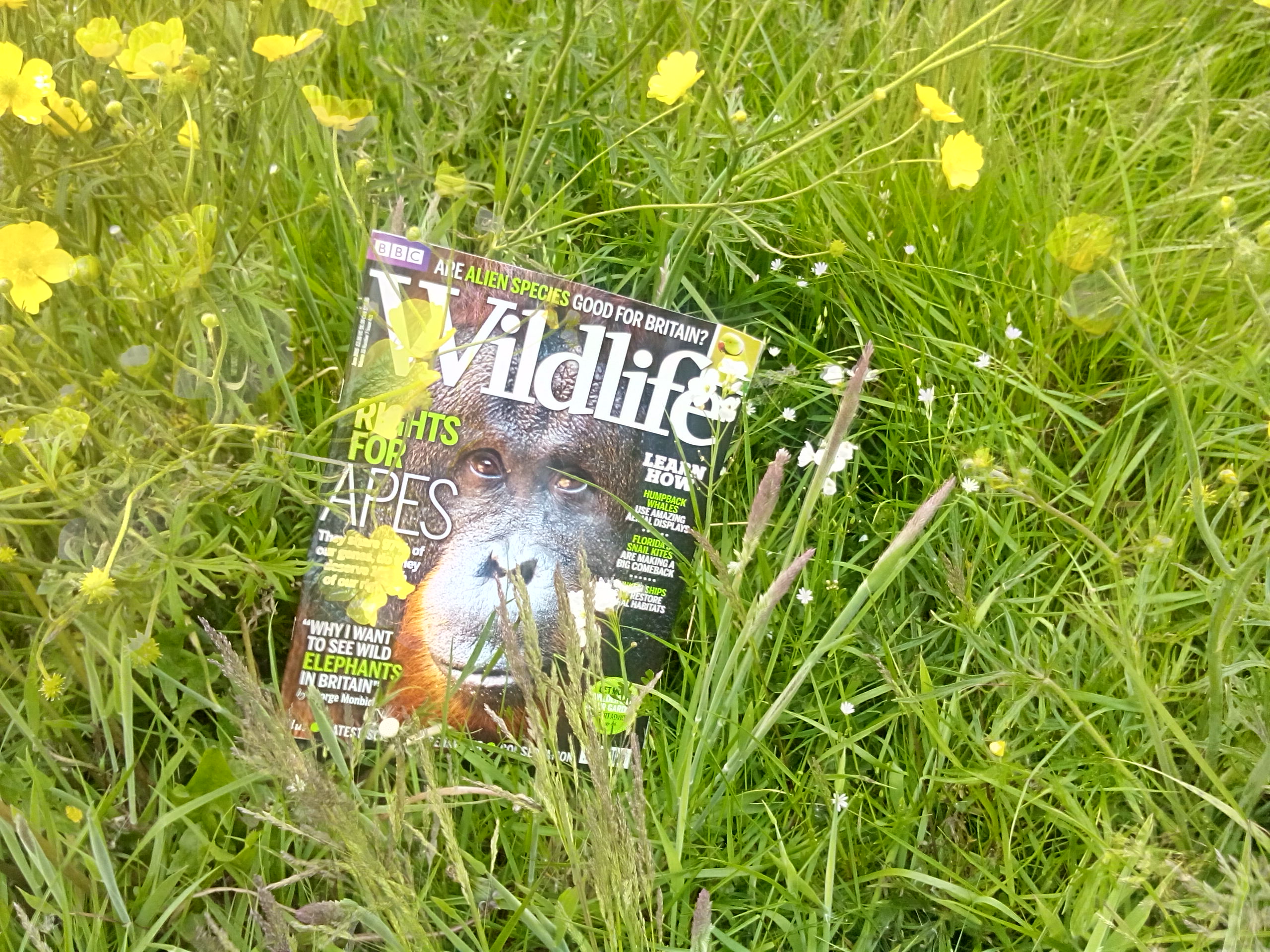
BBC Wildlife magazine in the Wild

A relaxed day again – I’m at work from tomorrow until Saturday.  I took the scenic route to a meadow/stretch of Greenbelt which is my location of today’s 30 Days Wild!

A long the way I came across Great Spotted Woodpeckers, a Robin, heard Blackcaps singing and saw a family of Blue Tits – I even observed a Swallow flying low round a field catching lunch, most likely for it’s chicks.

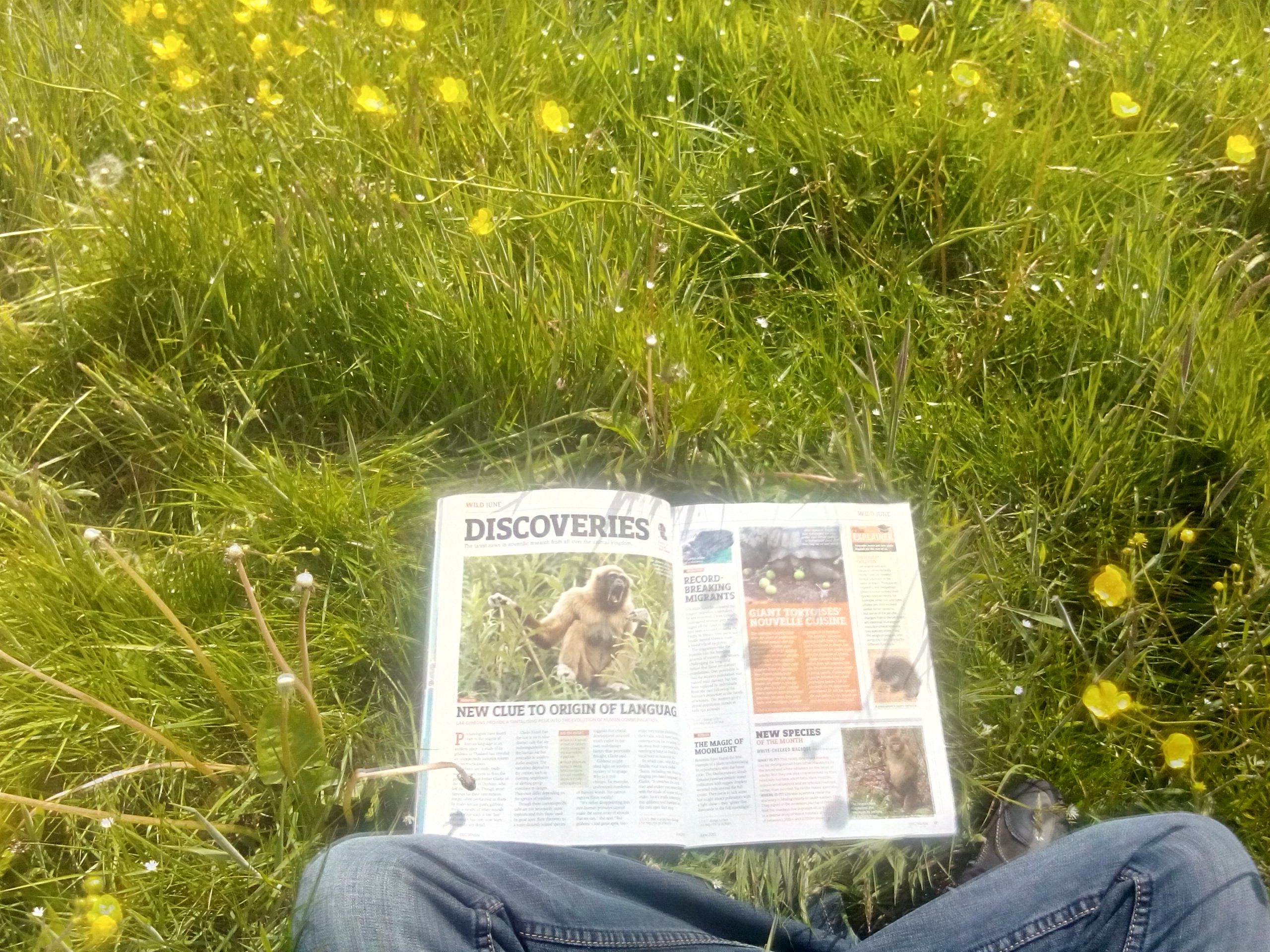
I eventually arrived at my chosen ‘site’, where for half an hour I would read this months issue of BBC Wildlife magazine.

Where I sat and read
Where I chose to sit and read

I had Swifts screeching above me, Linnets fleeting about, various insects buzzing and jumping around me, plus the sound of the breeze through the trees/flora.  It was great!

I read up to page 17

What I like about what I’ve read so far:

  • Suggestions on what wildlife to see, for example Puffins, Daubenton’s Bats and Harbour Seals (the latter being my favourite animals).
  • Advice on Honeybee swarms and some science behind climbing plants, with the main focus being on Honeysuckle (again, one of my favourites).
  • A newly discovered clue to the origin of language, from studies on Lar Gibbons in Thailand, Giant Tortoises preferring fruits of invasive species on The Galápagos Islands and a explanation on Convergent Evolution. 

Thanks for reading 😀