Last year I did separate videos of my interviews with the at gardening celebs / presenters and garden designers.
This year I thought it would be better to edit the interviews etc of the show, into one video and that’s exactly what I’ve done in the short video below:
As I mentioned in my last blog post – a few years ago I made a series of short videos which were featured on the Reader’s Digest Magazine website, entitled Wildlife Monthly.
Each video is around a minute or more, detailing flora and fauna (mainly fauna) for you to look out for; below I have included one video from my June 2012 edition and three from my 2011 June edition – each with a coastal theme.
A few years ago I made a series of short videos which were featured on the Reader’s Digest Magazine website, entitled Wildlife Monthly.
Each month I produced 3 videos around a minute or more, detailing flora and fauna (mainly fauna) for you to look out for; be it in your garden, local park / reserve or further afield.
Below I have included the videos from my May edition(s).
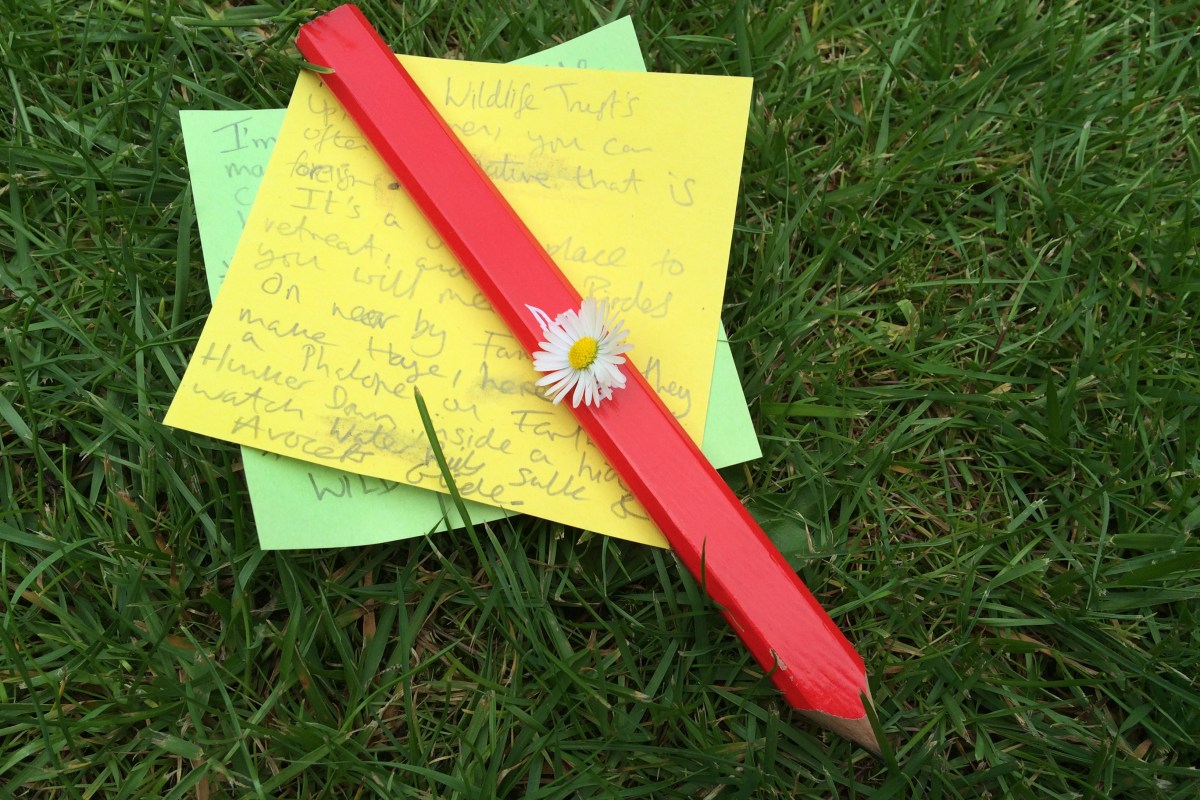
The weather has been inclement again, and I was off to the N.E.C later as a member of Press, to report on BBC Gardeners’ World Live. So I opted to write a wild poem; I was happy there was a break in between showers, because I was able to get out into my partner’s garden to recite my poem.
Today I was at work 9AM-5PM, so I needed another easy Random Act of Wildness, so I arrived at work with enough time to get breakfast and watch the Springwatch Webcam(s) in the staff canteen.
After I was done watching, I left the channel on, so somebody would find a live-stream of wildlife at work, and would maybe watch, enjoy and become a fan of Springwatch/become more interested in nature, if they’re not already! 😉
After a while, the chicks started emerging from their hidey-hole
Today I helped out at Cranesbill Nursery – it’s a lovely company that sells Hardy Geraniums. ‘Cranesbill’ is the common name for a Hardy Geranium, and there were plenty of Bees buzzing around them today. Many of the varieties on the nursery are in flower at the moment, and they are fantastic for creating that rich micro-climate for wildlife in your garden. The plants are very diverse – they come from all over the world – so the good thing about them is that you can literally find one for every part of the garden, and because they come from a variety of climates, by mixing them up within your borders, you can ensure that you have flowers from very early in the growing year, until late Autumn, therefore providing a food source for wildlife for a very long period. So naturally I put a flower behind my ear. 😉
Me with a Himalayense behind my ear.
The nursery is located on a farm – just on the edge of South Staffordshire – where I observed Swallows, Skylarks, House Sparrows, baby Rabbits, Moths and Butterflies (as well as the Bees).
I have been working most of the first few days of June, so I’ve opted for easy Acts of Wildness (I have had no choice really) for my 30 Days Wild ‘challenges’. They are still enjoyable mind! I particularly enjoyed Encourage wild at work, because it made me bring nature into the work place – more specifically; the staff canteen! 💚
So what did I do? Well, on my lunch break I put the Springwatch Webcams on the TV, it happened to be adorable Little Owls which were on screen. 😃
Sophie, my colleague and friend, showed some interest and happily sat down in front of the TV:
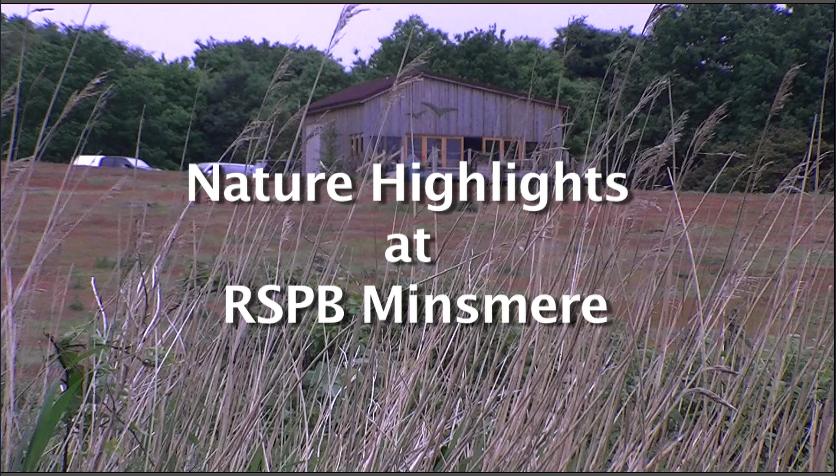
For day three, I caught up on Springwatch and UNSPRUNG episodes that I’ve missed, plus I’ve put together a short video of my highlights at RSPB Minsmere (below) featuring:
If you’ve not seen or heard of Wildlife Monthly;click here.
This month’s instalment features one of our large feathery winter visitors from the high Arctic; the Bewick’s Swan. Part of the “Wild Swans” family, they’re not sedentary but are free-roaming and make a lot more noise than Mute Swans do – with their load trumpeting calls which often mark their arrival. They are also famously known for their individual black and yellow beak markings – allowing each bird to be identified and studied, which the staff at WWT Slimbridge in Gloucestershire, have been doing since the 1960’s. They’re named after the celebrated bird illustrator, Thomas Bewick – and funnily enough, the yellow on a Bewick’s Swan’s beak forms the letter B!
To see my video on the Whooper Swan (another member of the Wild Swan family) click here.


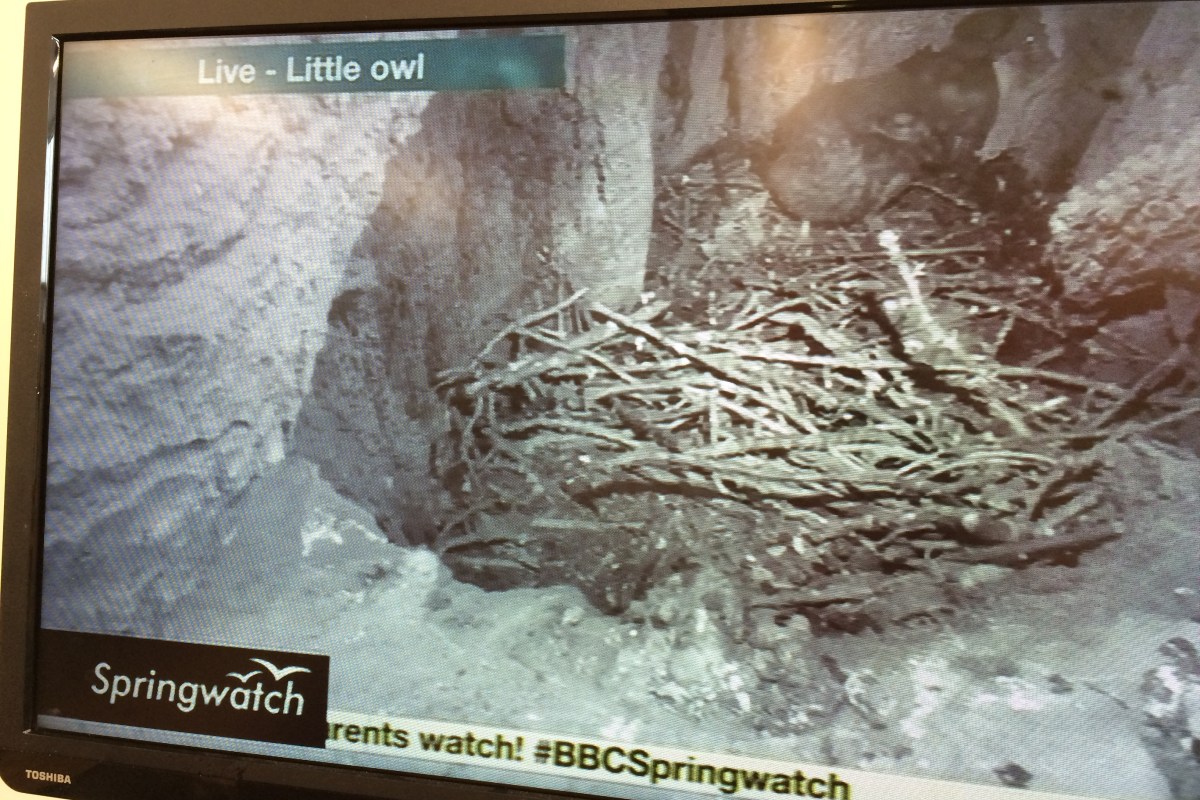
 Today I was at work 9AM-5PM, so I needed another easy Random Act of Wildness, so I arrived at work with enough time to get breakfast and watch the Springwatch Webcam(s) in the staff canteen.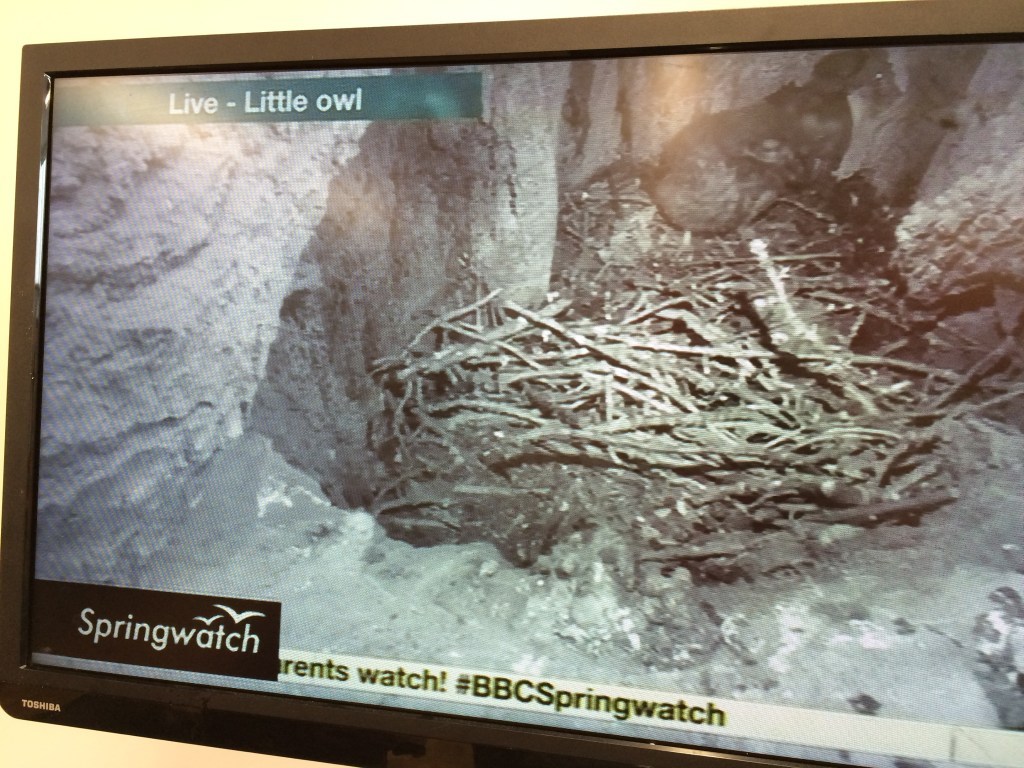

 Today I helped out at




 Canned Wildlife
You must be logged in to post a comment.