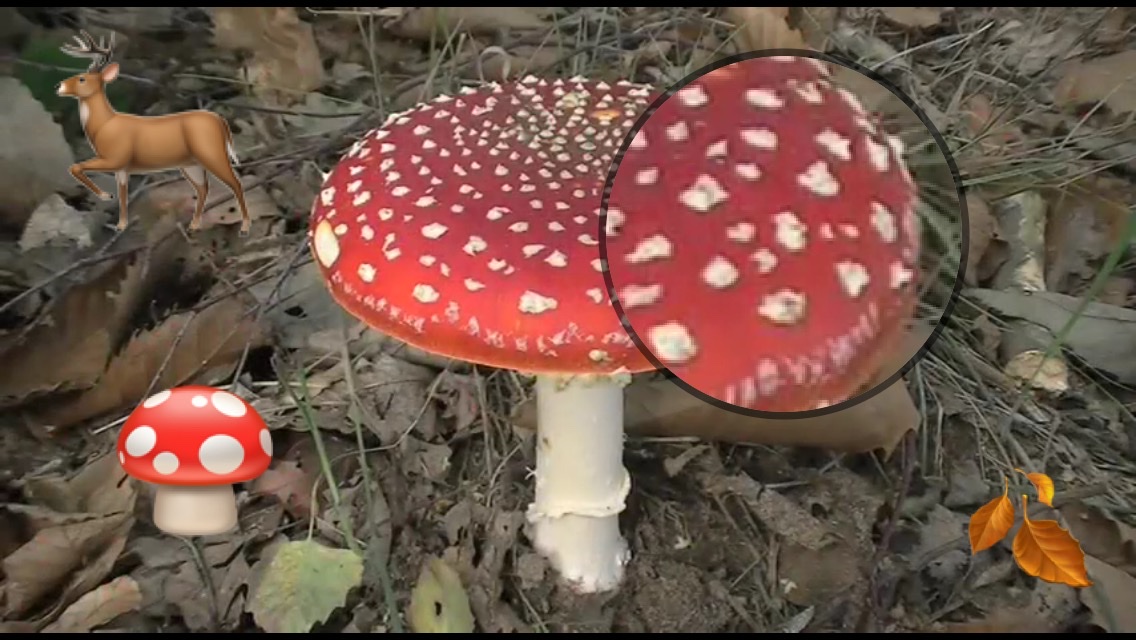
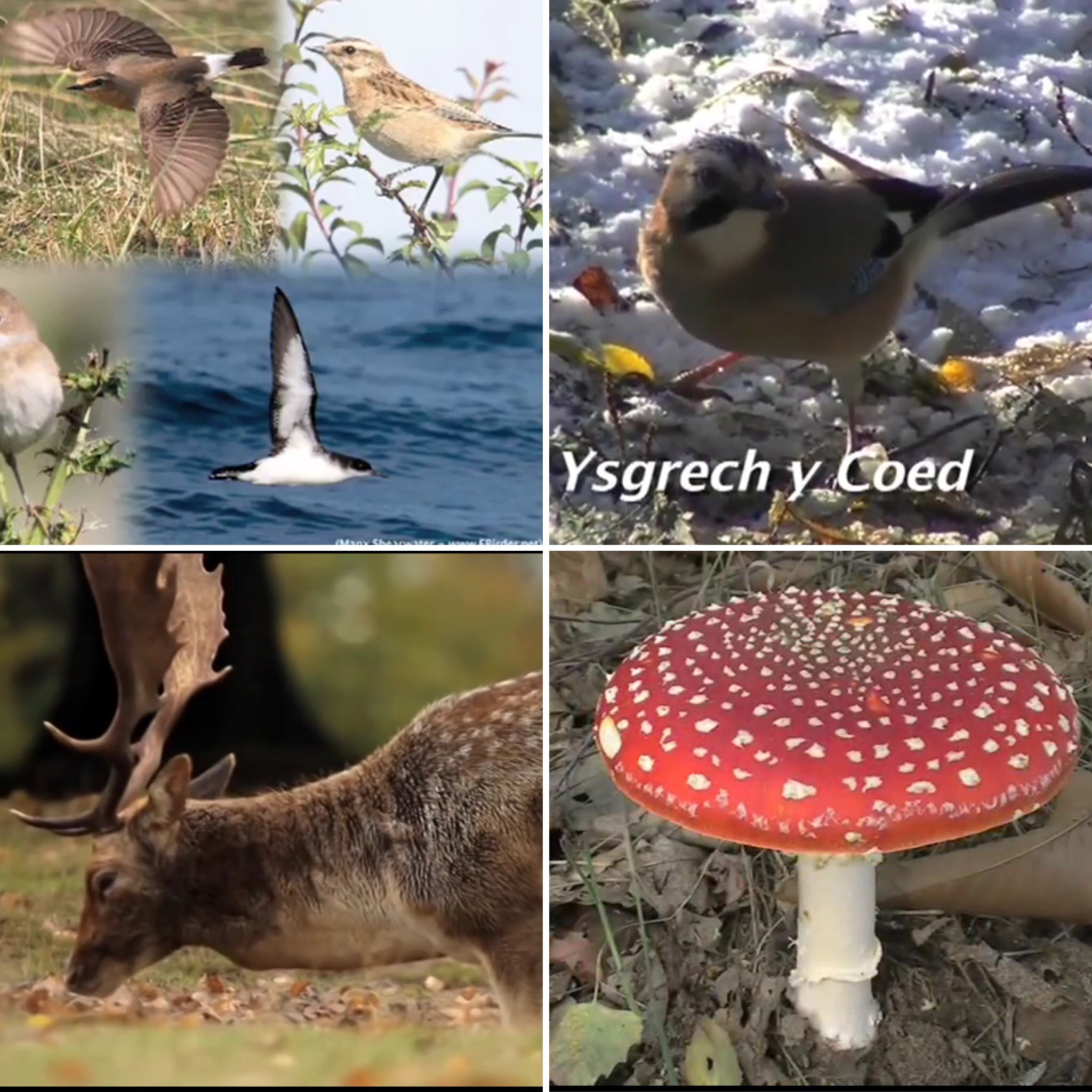
Made in October 2011 [VIDEOS], three great things to look out for this month: acorn crazy Jays, Rutting Fallow Deer & fun looking Fungi!
🥜 🦌 🍄
Apologies for the inaccuracies in the Fungi video; pronunciation of hallucinogenic and apparently you can eat Amethyst Deceivers – but it is better to be safe than sorry! (No matter how good a recipe sounds!)
On 28th March (2018) I was out walking with my mum, when I spotted a couple of Nuthatches on the edge of a wood where we were just about to walk through, and I happened to notice that one of them was putting mud around a hole in a tree, as its nest is in the cavity of the tree.
My mum and I was delighted to witness this and were both surprised at how close to the path it was. Recently I purchased my latest video camera – my first semi-professional one – a Canon XF300 and decided I would return on a day with better weather and test it out on the Nuthatches.
On 5th April (2018), the conditions were perfect, so I went to where I observed said behaviour and thankfully the construction was continuing and below is what I filmed:
The now classified as Near Threatened on the IUCN Red List, UK Amber and Red List species under the Birds of Conservation Concern review and as a Priority Species in the UK Biodiversity Action Plan, Eurasian Curlew are still holding on at Upton Warren in the landlocked county of Worcestershire in the West Midlands region, and they can be seen throughout autumn and winter, roosting at The Flashes most evenings.
For waders they’re large and tall, approx the size of a female Pheasant – making them the largest European wading bird. Their haunting call (‘Cur-lee’) is unmistakable – it’s one of my favourite bird calls – it can be heard from February through to July on its breeding grounds; wet grasslands, farmland, heath and moorlands. From July onwards coastal numbers start to build up and peak in January.
Curlews feed on worms, shrimps and shellfish. The largest concentrations of them are found at Morecambe Bay, the Solway Firth, the Wash and the Dee, plus, the Severn, Humber and Thames estuaries. Their greatest breeding numbers are found in north Wales, the Pennines, the southern uplands and east Highlands of Scotland and the Northern Isles, plus, Antrim Plateau (Glenwherry) and Lough Erne Lowlands (Upper and Lower) in Northern Ireland.
The agricultural intensification (e.g drainage and reseeding) of upland farmland and moorland – plus the afforestation of moorland – is a big factor in the decline of their breeding population.
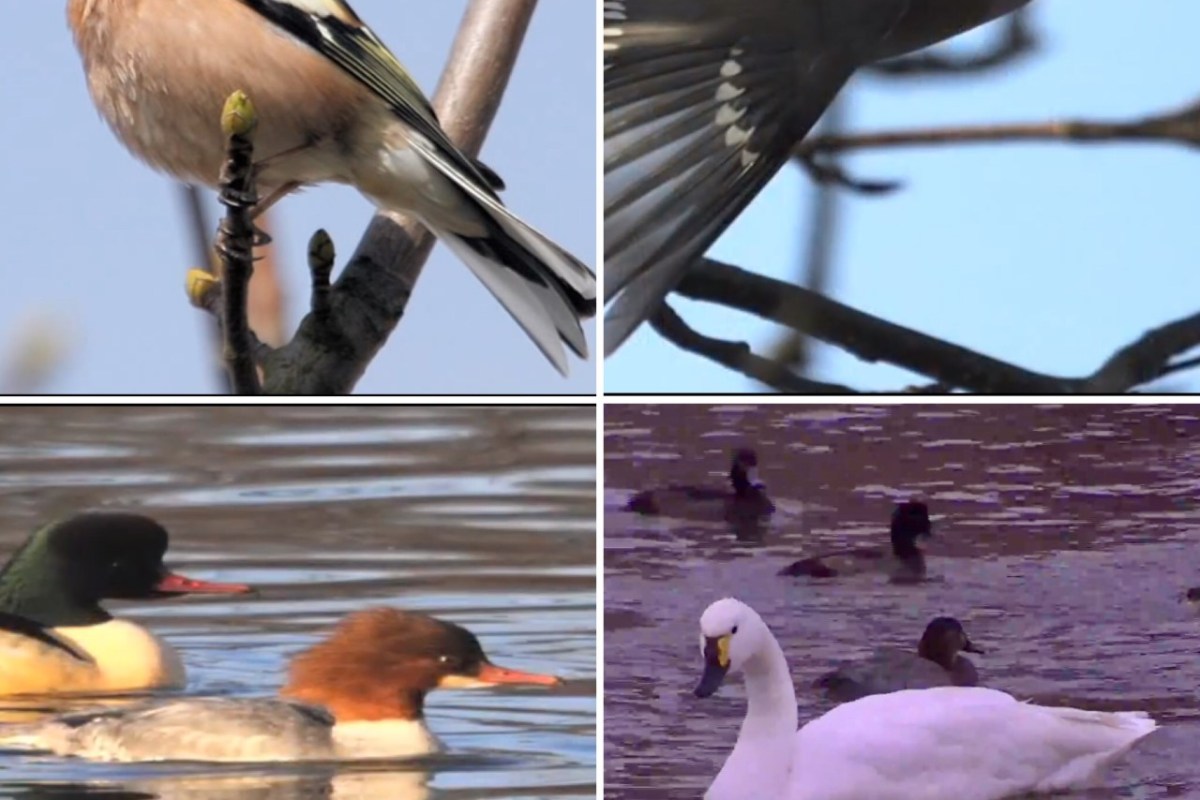
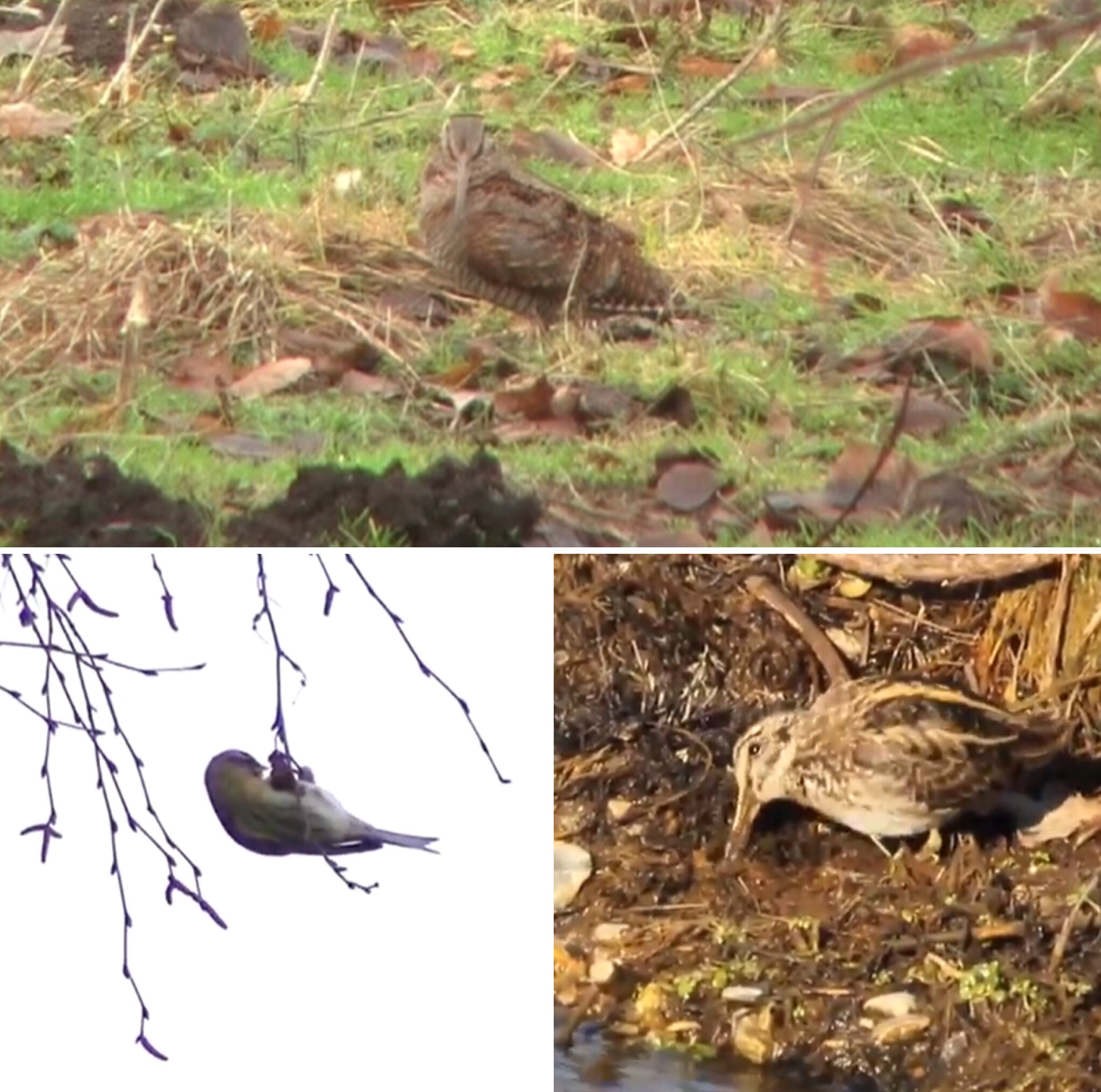
So, it’s February and quite a lot of us are seeing signs of spring. But what wildlife is there to see? Well, here are my four short fact filled informative videos; on some cool bird species you should look and listen out for this month!
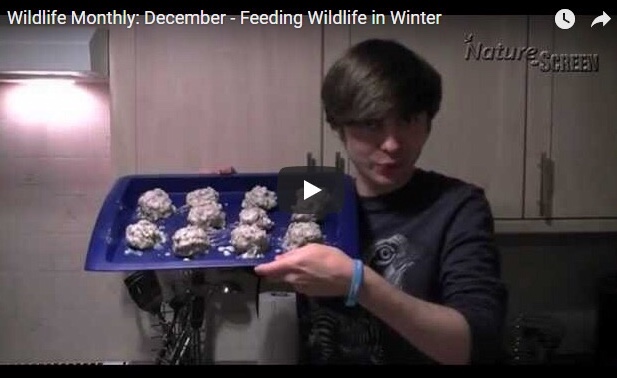
Out of the videos I have made, these three videos are definitely some of my ‘favourites’, as I love Water Rails, Whooper Swans and enjoy feeding the birds, and playingaround in the kitchen. 😀
We were pretty much Frozen Britain recently, certainly in the West Midlands…
Below are some videos from my past, showcasing nature to be seen in September and in October. I am actually quite pleased with my voice-over work from-back-in 2011! You might be happy to know, it is a skill which I’ve now honed.
September (2011)
October (2011)
Apologies for the inaccuracies in the Fungi video; pronunciation of hallucinogenic and apparently you can eat Amethyst Deceivers – but it is better to be safe than sorry! (No matter how good a recipe sounds!)
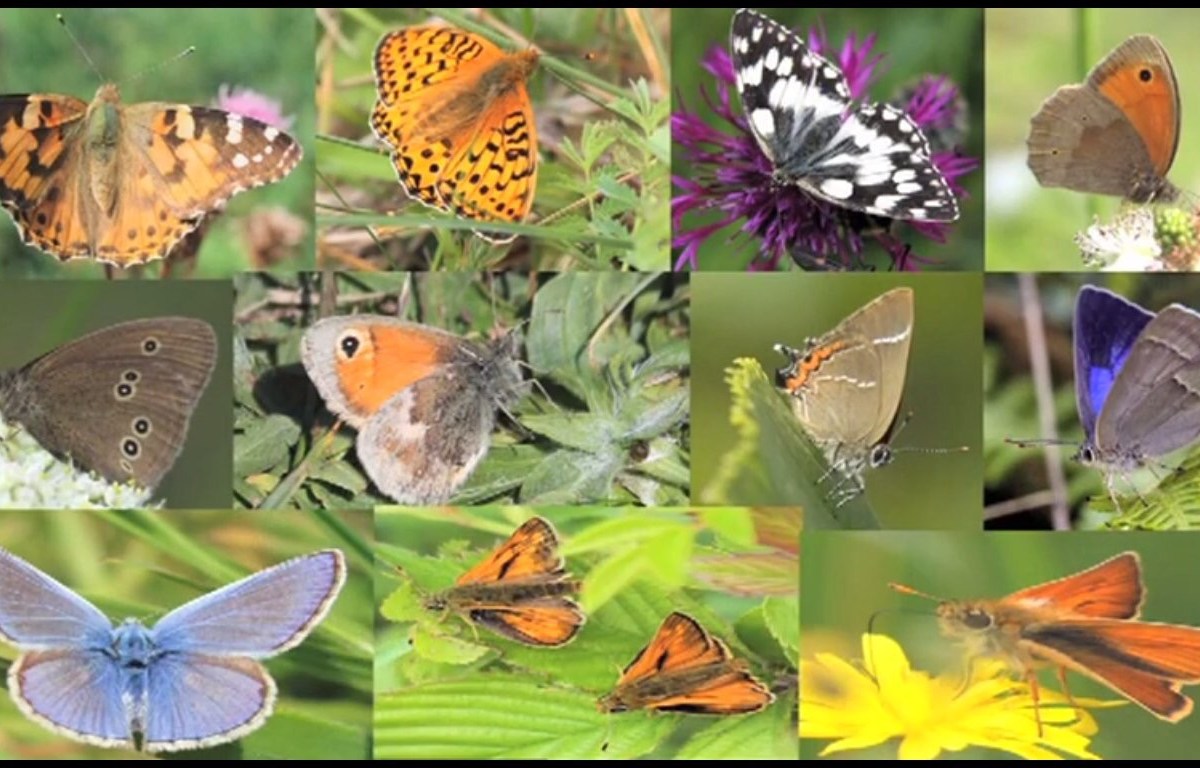
A lot of birds are quieting down now, but Yellowhammers 🐤 are continuing to sing away! Plus this is another great month for seeing some beautiful Butterflies! 🦋
Summer is a great time to see Butterflies, thanks to Buddleja growing just about anywhere, you can see these beautiful creatures in urban places as well as suburban and rural.
Below are three short videos acting as a guide to the Butterflies of High Summer:




 I am actually quite pleased with my voice-over work from-back-in 2011! You might be happy to know, it is a skill which I’ve now honed.
 Canned Wildlife
You must be logged in to post a comment.