If you’ve not seen or heard of Wildlife Monthly;click here.
This month’s instalment features one of our large feathery winter visitors from the high Arctic; the Bewick’s Swan. Part of the “Wild Swans” family, they’re not sedentary but are free-roaming and make a lot more noise than Mute Swans do – with their load trumpeting calls which often mark their arrival. They are also famously known for their individual black and yellow beak markings – allowing each bird to be identified and studied, which the staff at WWT Slimbridge in Gloucestershire, have been doing since the 1960’s. They’re named after the celebrated bird illustrator, Thomas Bewick – and funnily enough, the yellow on a Bewick’s Swan’s beak forms the letter B!
To see my video on the Whooper Swan (another member of the Wild Swan family) click here.
Wildlife Monthly – my seasonal video guide to British wildlife – is back! 😃
It has been 5 whole years since my first ever episode! There were two series in total, which Reader’s Digest Magazine featured on their website, with the last episodes being uploaded at the end of May 2012. Each month I produced 3 videos around a minute or more, detailing flora and fauna (mainly fauna) for you to look out for; be it in your garden, local park/reserve or further afield.
The idea this year, if all goes to plan, is to produce a single video per month, following that same criteria. Episode 1 of 2016’s Wildlife Monthly is in support of the RSPB’s Big Garden Birdwatch, in which I made some pink bird food. It was filmed at Moseley Old Hall – National Trust, which is in located on the boarder of South Staffordshire and Wolverhampton – where for the day, I was Lord of the Manor. 😉
Red Fat Balls and Lard Cake Recipe:
250g Lard (I used dripping, it’s fine to use suet and vegetable fat)
150g Sunflower Hearts
100g Crushed Peanuts
50g Porridge Oats
1 Red Gel Food Colour (Dr. Oetker)
Doubtless you’ll be doing yours in a kitchen!
Crush the Peanuts with a pestle and mortar, or put them between a tea-towel and whack them with a rolling-pin.
You don’t want to deep-fry the food, so just melt your chosen fat on a low-to-medium heat/flame.
(Add everything to the lard and mix together) Turn your heat right down. When everything is mixed together, line a small cuboid container with either grease-proof paper or clingfilm, fill it with the mixture halfway and pop it into the fridge – to set for an hour – creating your Lard Cake.
Pop the rest of the mixture into the fridge for approx. 45 minutes, stirring every few minutes initially, so when it comes to making the mixture into balls it’s at the right consistency.
Roll the mixture into fatballs – you should get approx. 6 in total.
The rest is self-explantory/can be gathered from my video above…
The breeding population of Goldfinches has risen by approx. 91% in recent years, and in Ireland the increase was around 158%! The British Trust for Ornithology has launched a survey to determine what is attracting these fabulous finches to our gardens. — BTO.org/Goldfinch-Survey
It’s estimated that since the 70’s we have lost 6 million House Sparrows! However, I’m proud to write; in Birmingham they are in good numbers! Along with Devon and Dorset, bucking the trend. 😊
UPDATE:
These are the results from my Garden Birdwatch (31/01/2016)
To catch up on pervious episodes of Wildlife Monthly, click here.
If you saw my last entry in June, then you know I spent a week in the amazing Lake District! This post is for the last 4 days of 30 Days Wild/June. For those who don’t know – I stayed in a place called Little Langdale with 4 of my friends, who are some of the best people and I’m truly thankful for knowing them 😀 I’m sharing with you iPhone pictures of my wild-and-natural highlights.
Day 27
We looked and ambled around one of our nearest towns, Ambleside – before heading to our home for the week! It had all the shops we would need 🙂
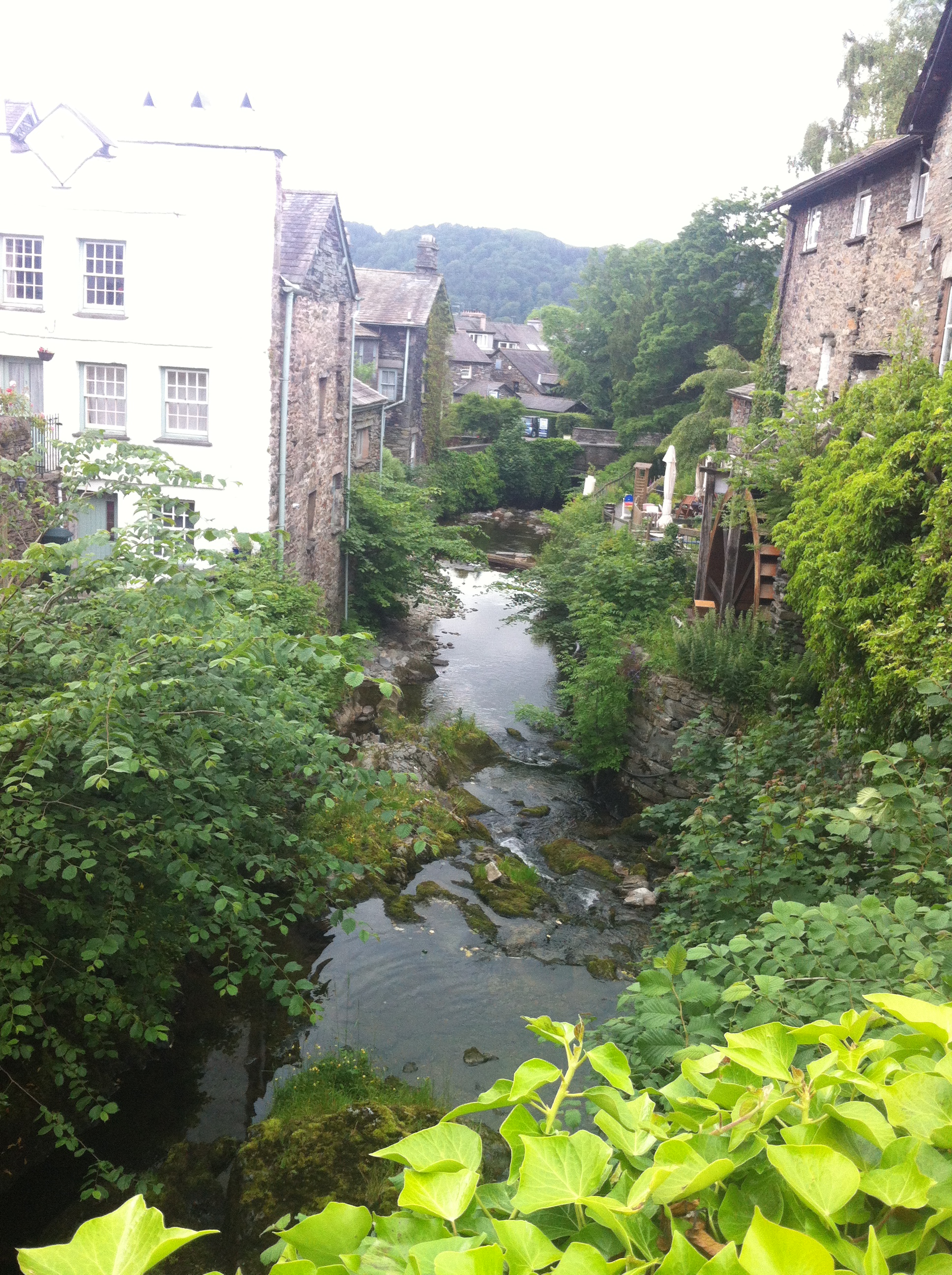
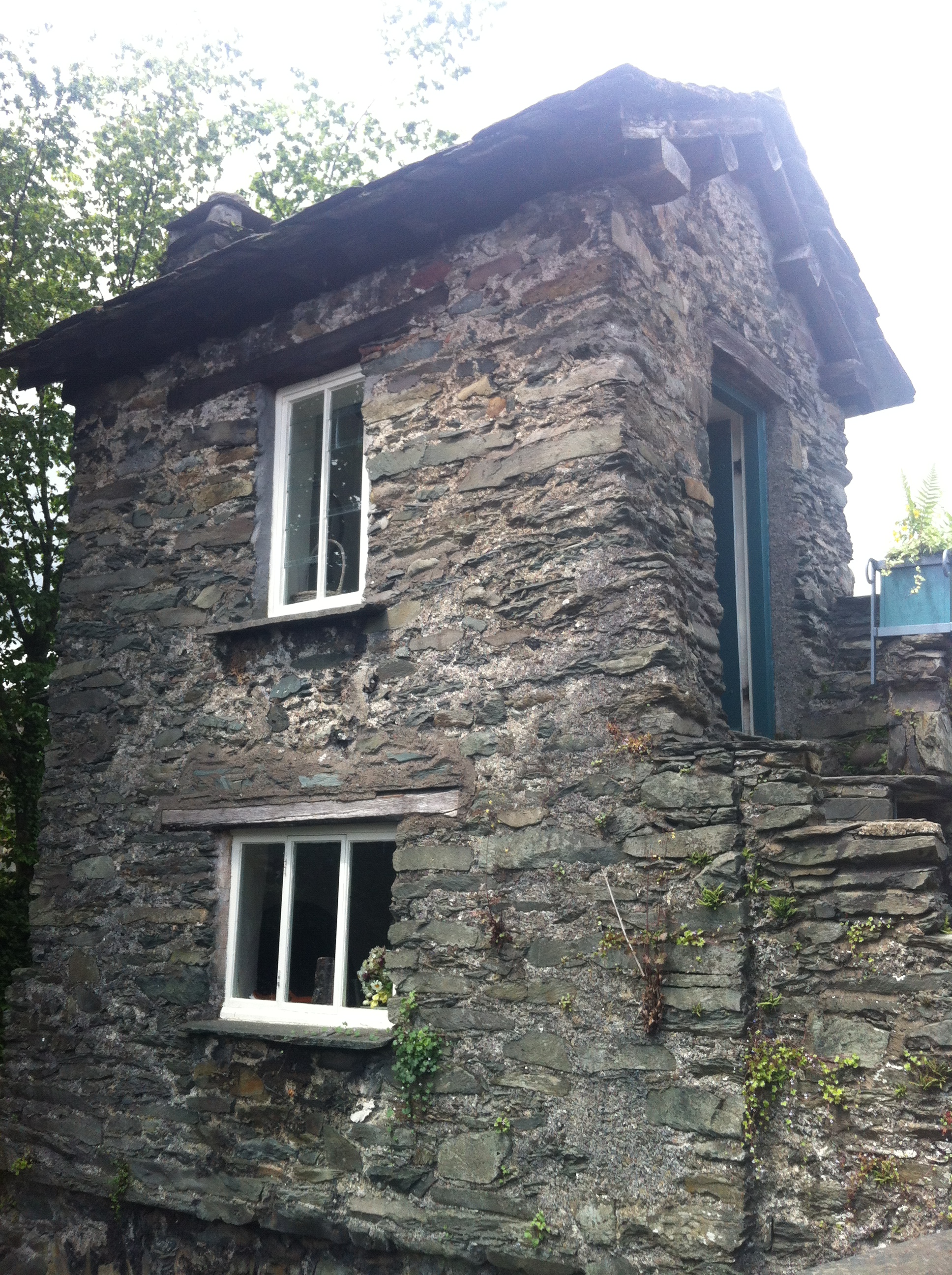
A lovely view from Ambleside’s recreation ground. Atmospheric clouds!A few minutes before I took this photo, I saw my first ever Dipper down there! 😀 This is the River Rothay.Of course we visited the Bridge House – National Trust.
We had to walk up a pathway to get to our Little Langdale cottage, we had our very own tarn and everything! 😀
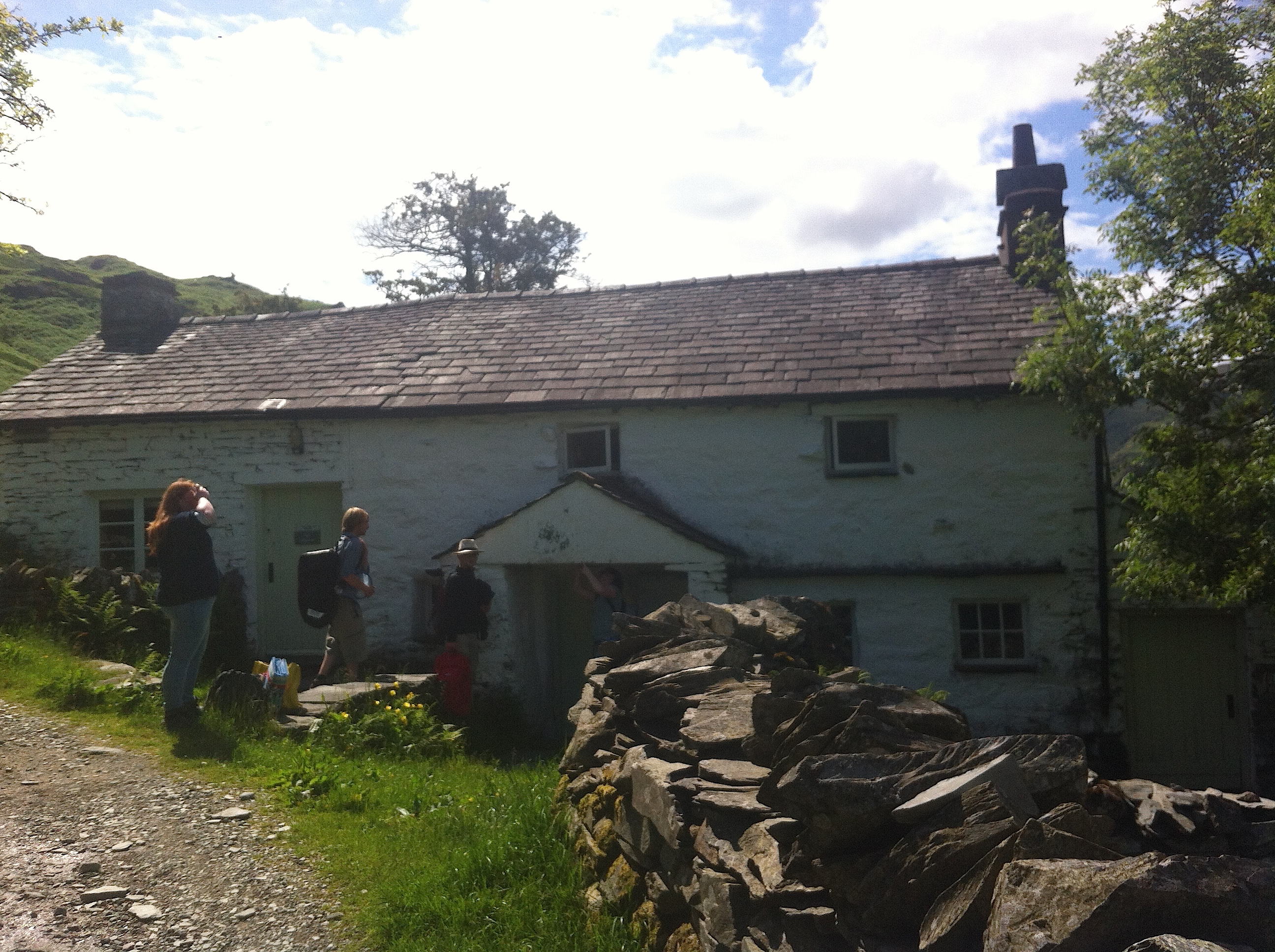
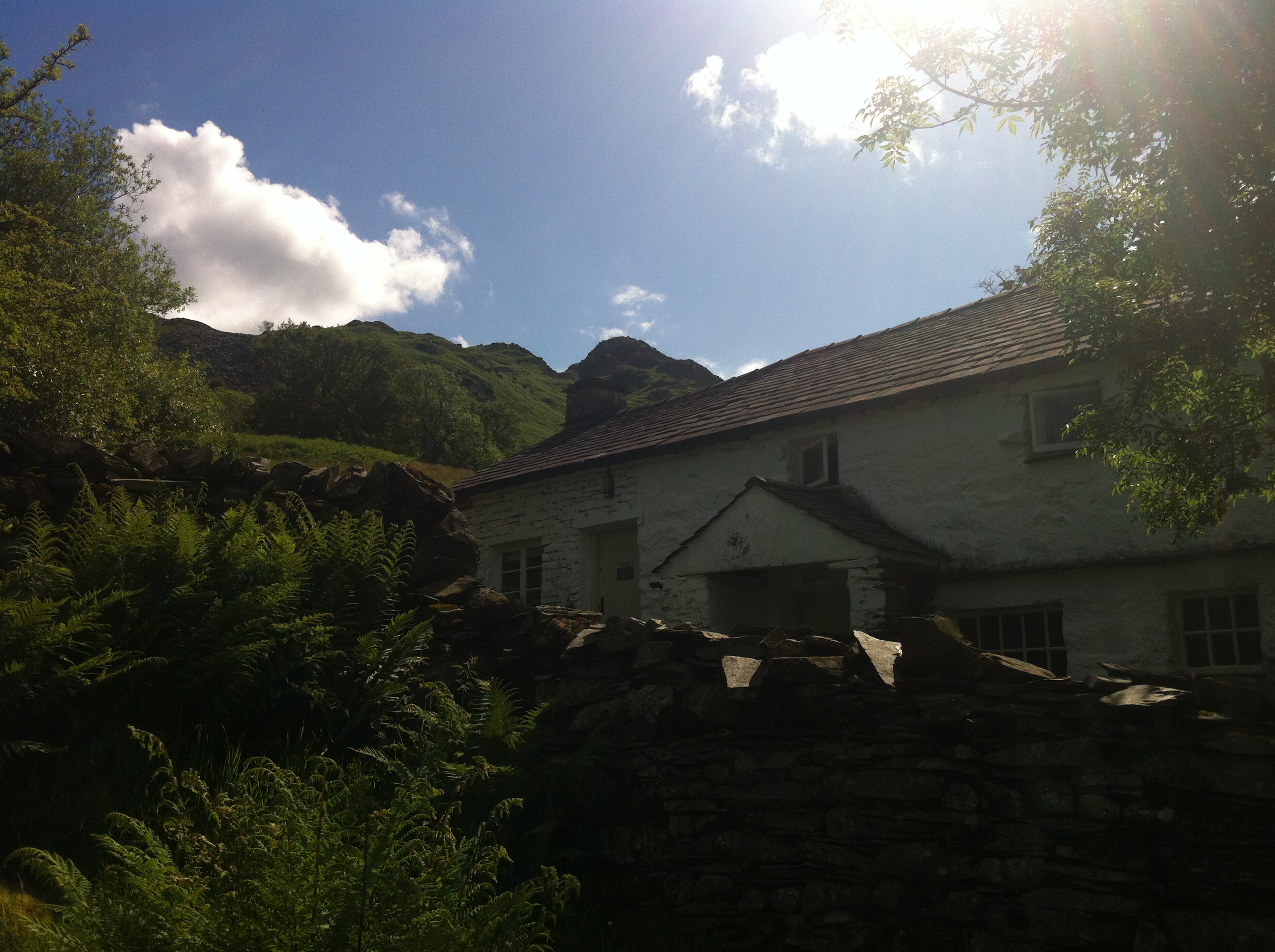
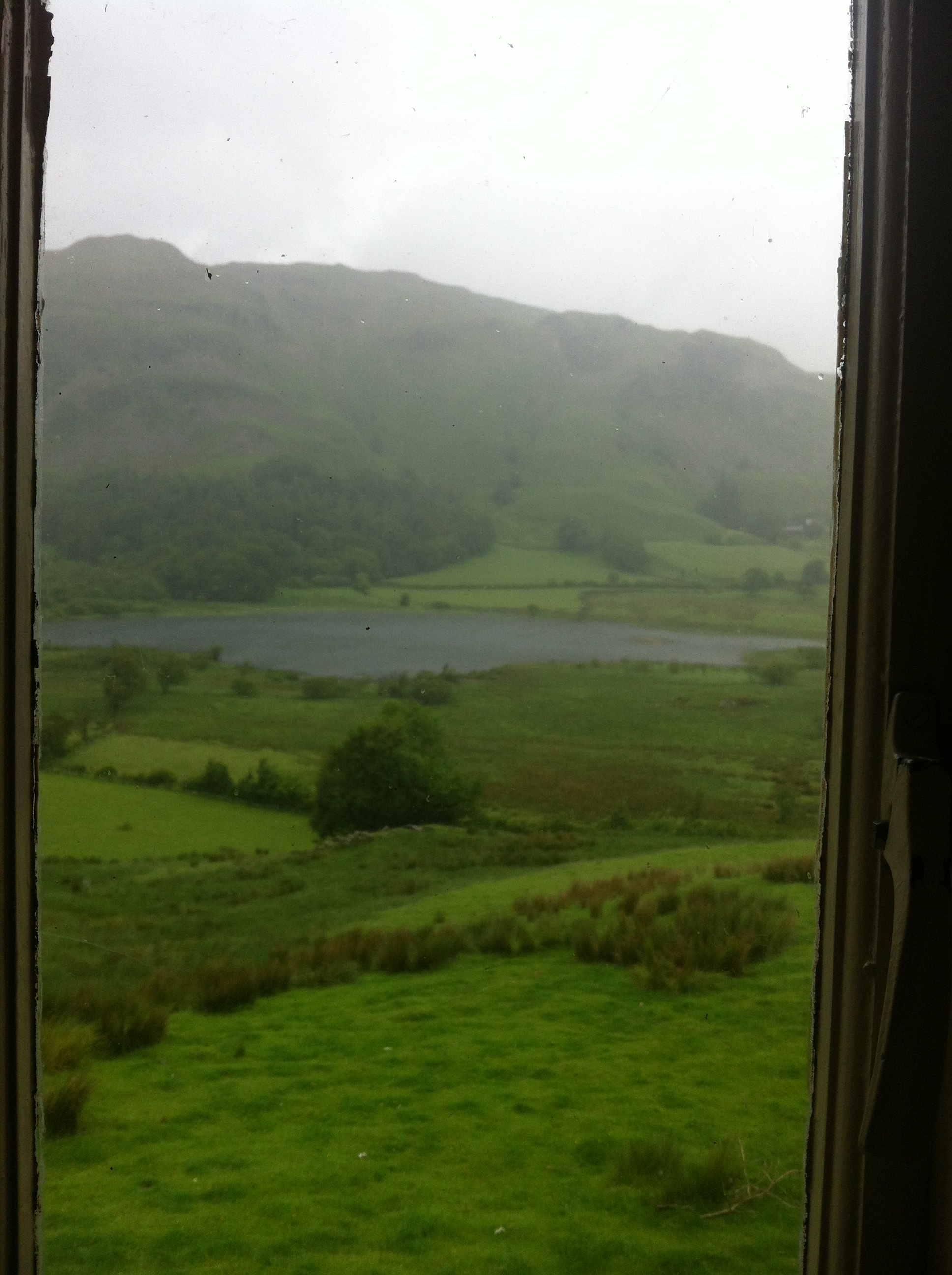
Taken a little way down the pathway, but it was just our wee garden & a field that separated us from Little Langdale Tarn (the lake) ❤Mary, Scott, Nick, Charlotte & our cottage, High Hallgarth! ❤The view from my bedroom window for the week ❤Taken from our garden area, we were surrounded by hills & mountains.
Day 28
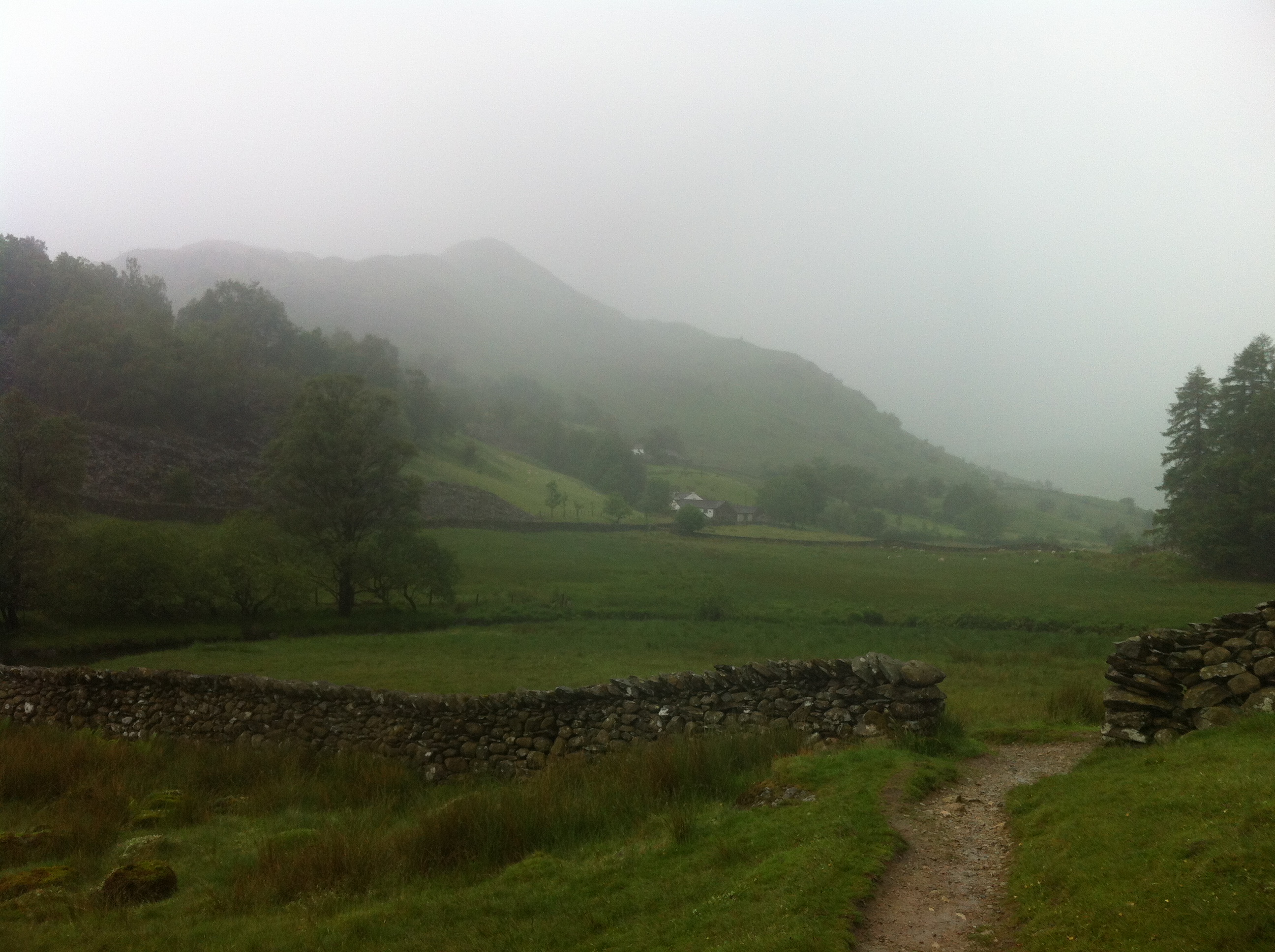
We awoke to a downpour… Despite the rain we decided to explore and visit our tarn first! 🙂 Later we found out tarn meant something completely different to our friend Mary (the redheaded lass), in Barnsley it means town! 😛
Even with unpleasant weather, it is fantastic! I loved seeing our Tarn each day!
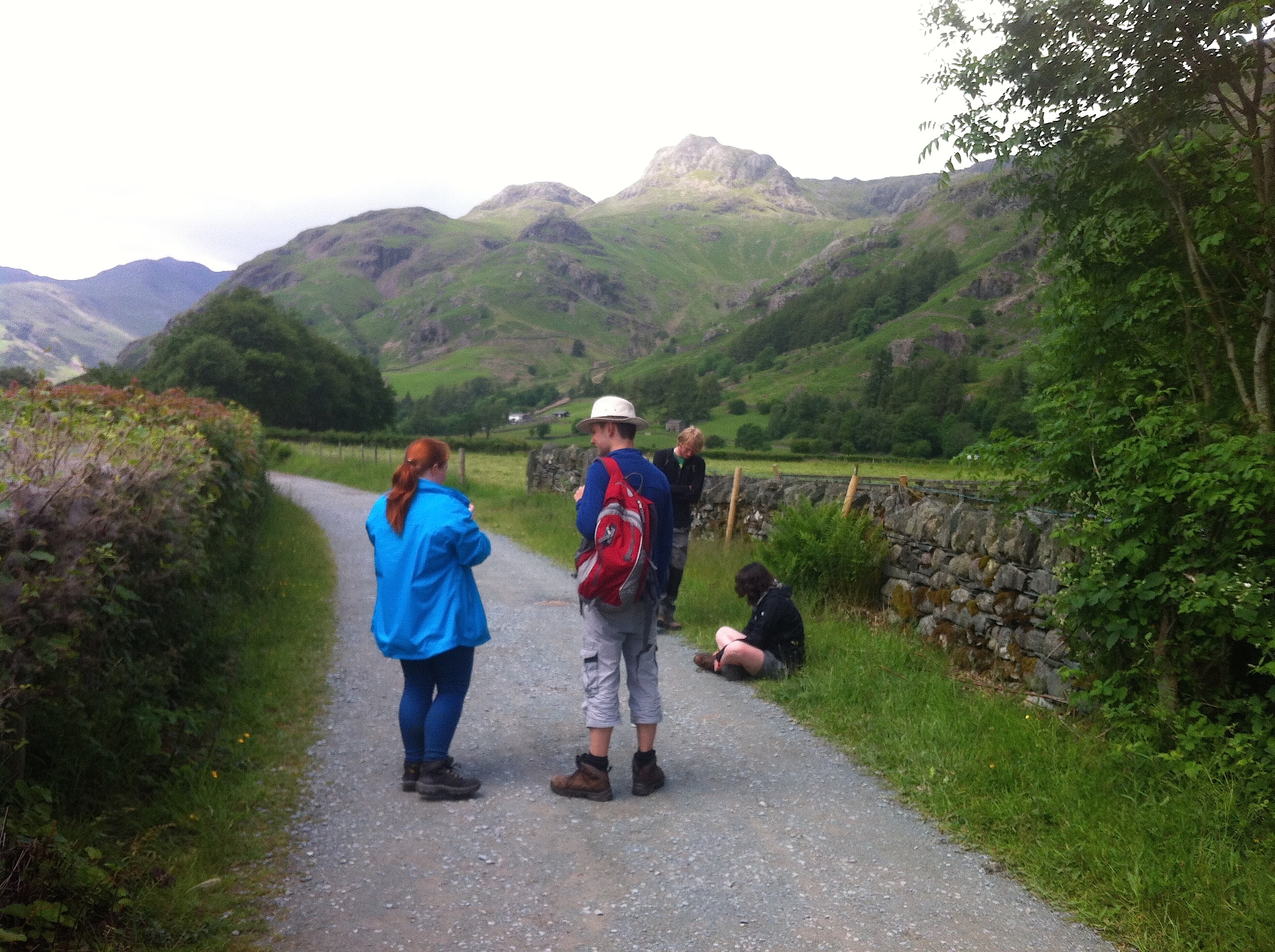
On the way over to our very local lake, we came across a variety of nature. My friend Scott (the blonde chap) is excellent at spotting small members of the animal kingdom, and allowing me time to document his finds! 🙂
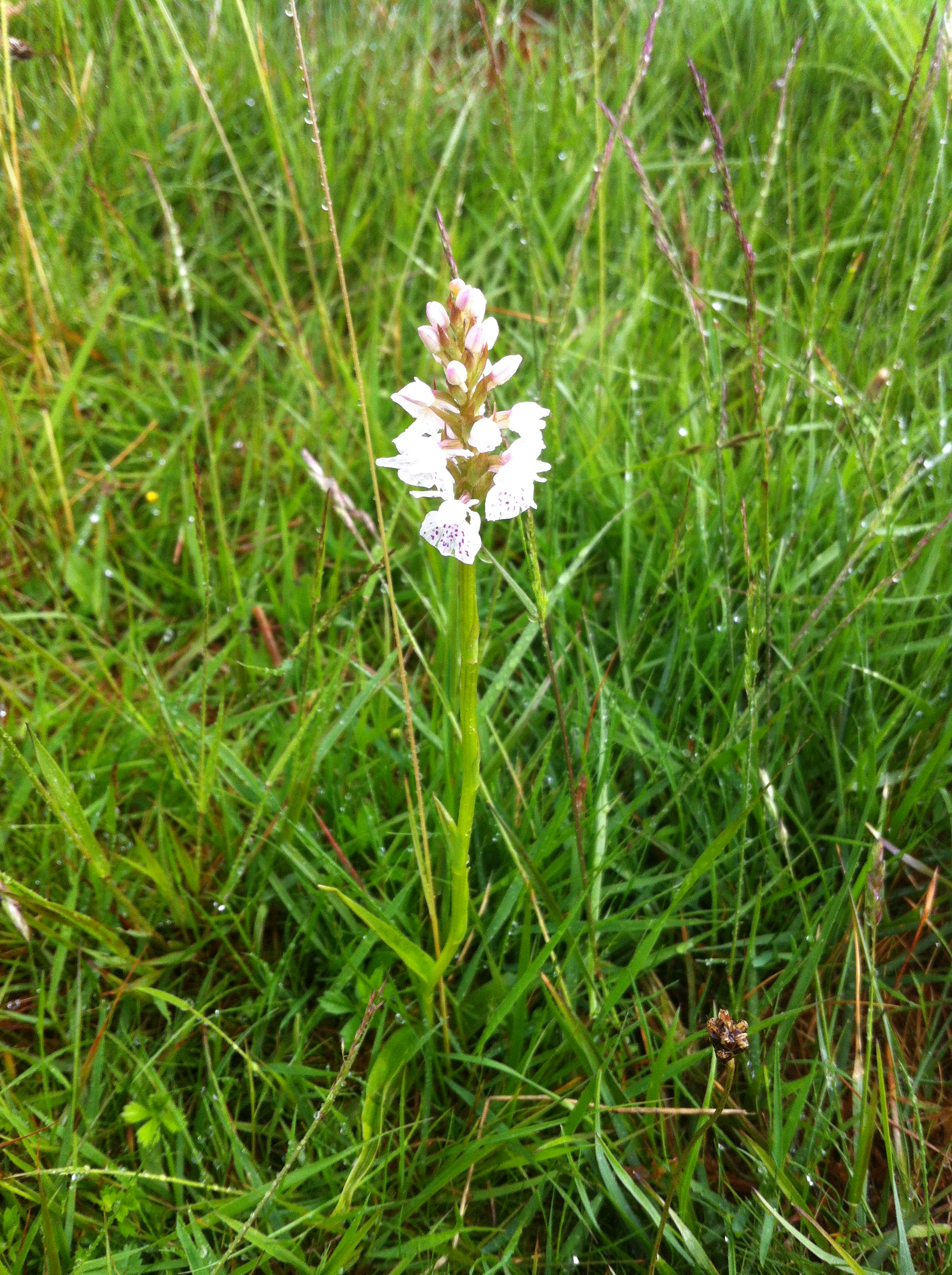
Chimney Sweeper (Moth)There’s only one Orchid in this picture, but they were everywhere we went, with some fields/meadows brimming with them! Like the field we passed through on our way to the tarn.
We didn’t quite expect to find our selves in boggy conditions, and couldn’t make it down to the Little Langdale Tarn! So we decided to change course, move away from the tarn and get our exploration of Little Langdale underway!
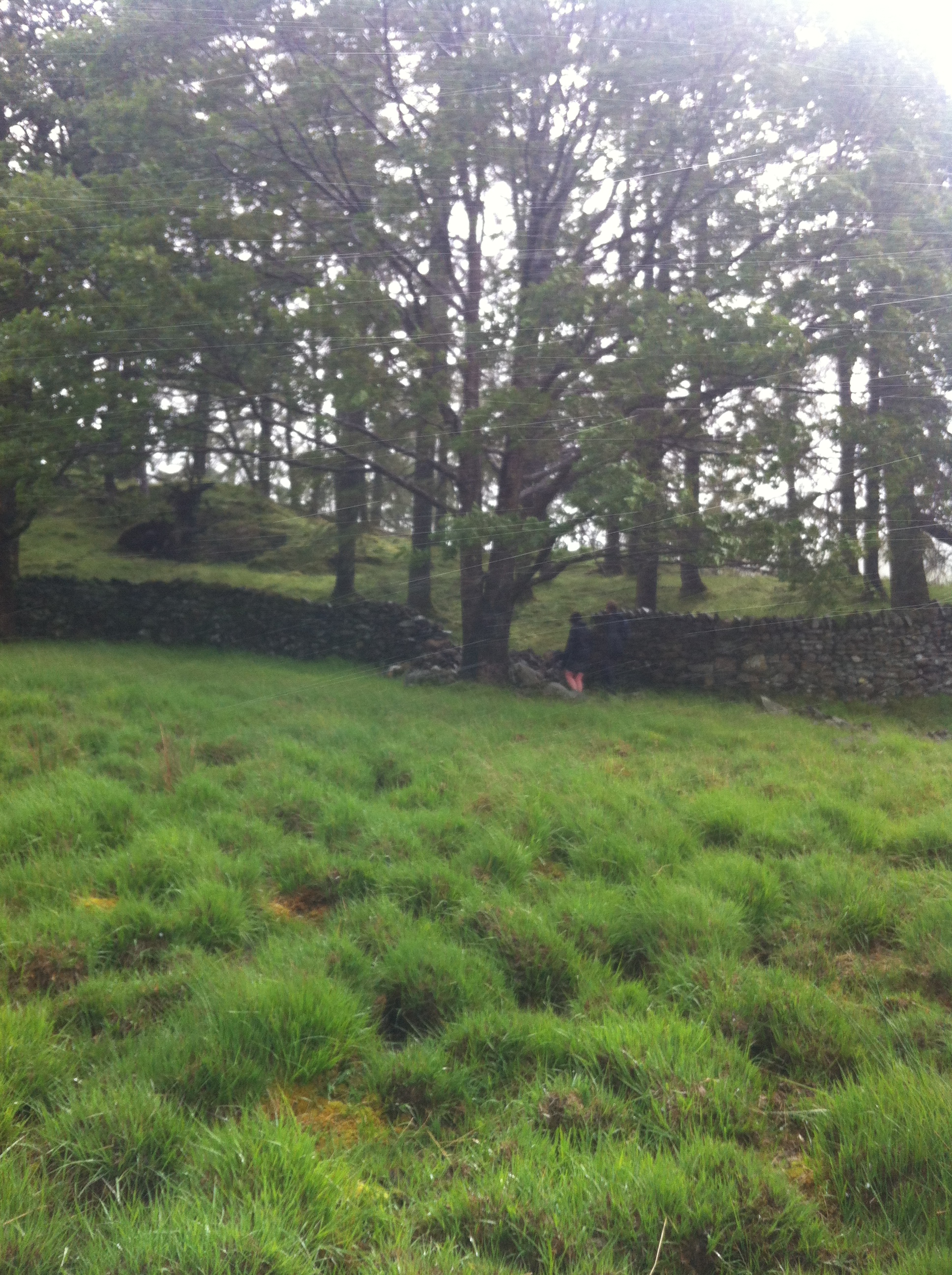
We passed through this wood. Charlotte & Scott leading the way 🙂
We were getting closer to a known part of Little Langdale, Slater’s Bridge! Which relatively, is a short walk from High Hallgarth.
A Common Toad – which was on the path just before the bridge! 🙂
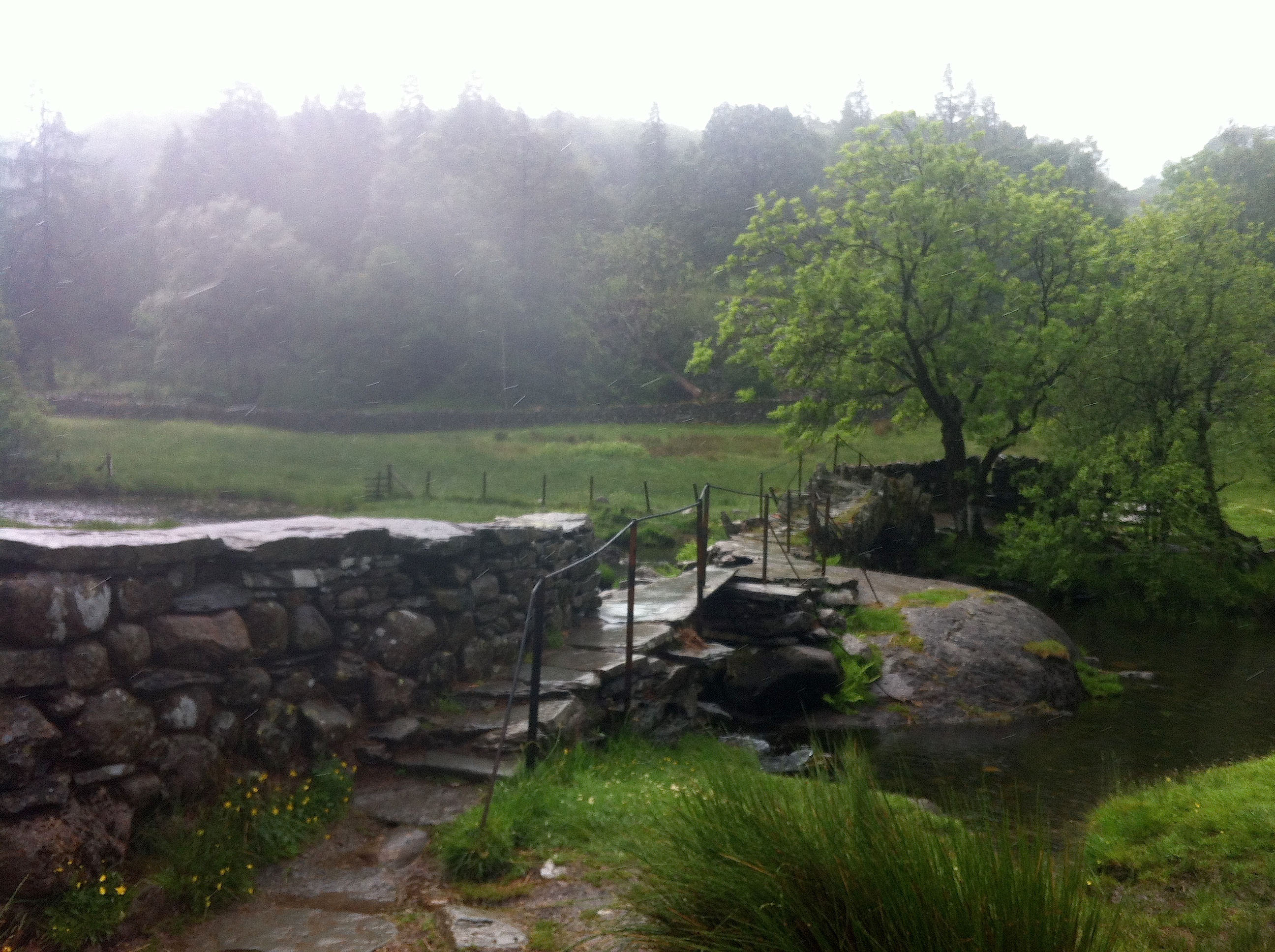
We passed over Slater’s Bridge.
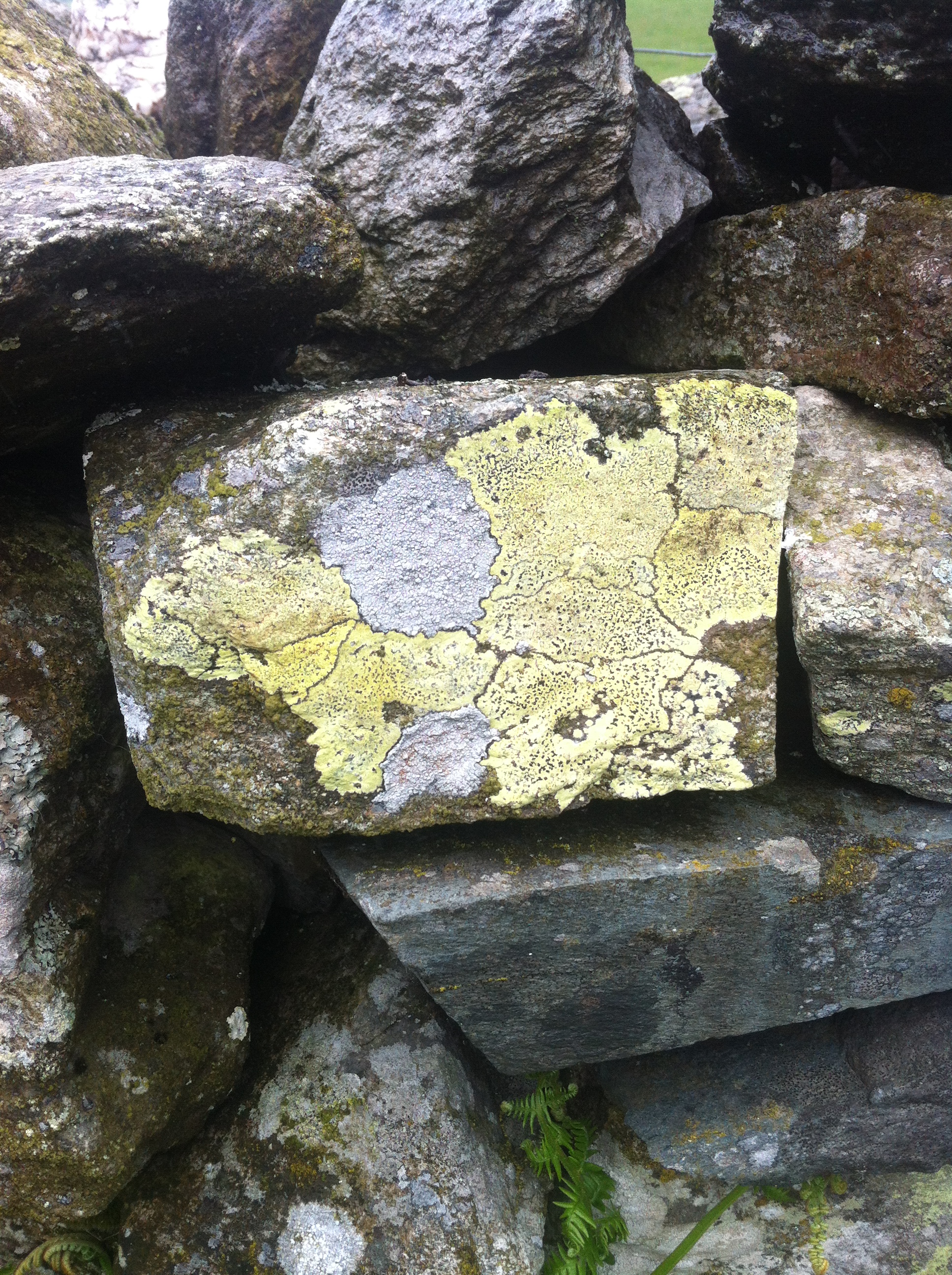
Taken looking back at Slater’s Bridge.High Hallgarth is the small white spec above the cottage you can just make out.One could Lichen this to a map 😉
We’ve walked a fair distance now 🙂
Taken more or less on the other side of Little Langdale Tarn.
Day 29
We’ve walked over Slater’s Bridge again, for another walk! 🙂
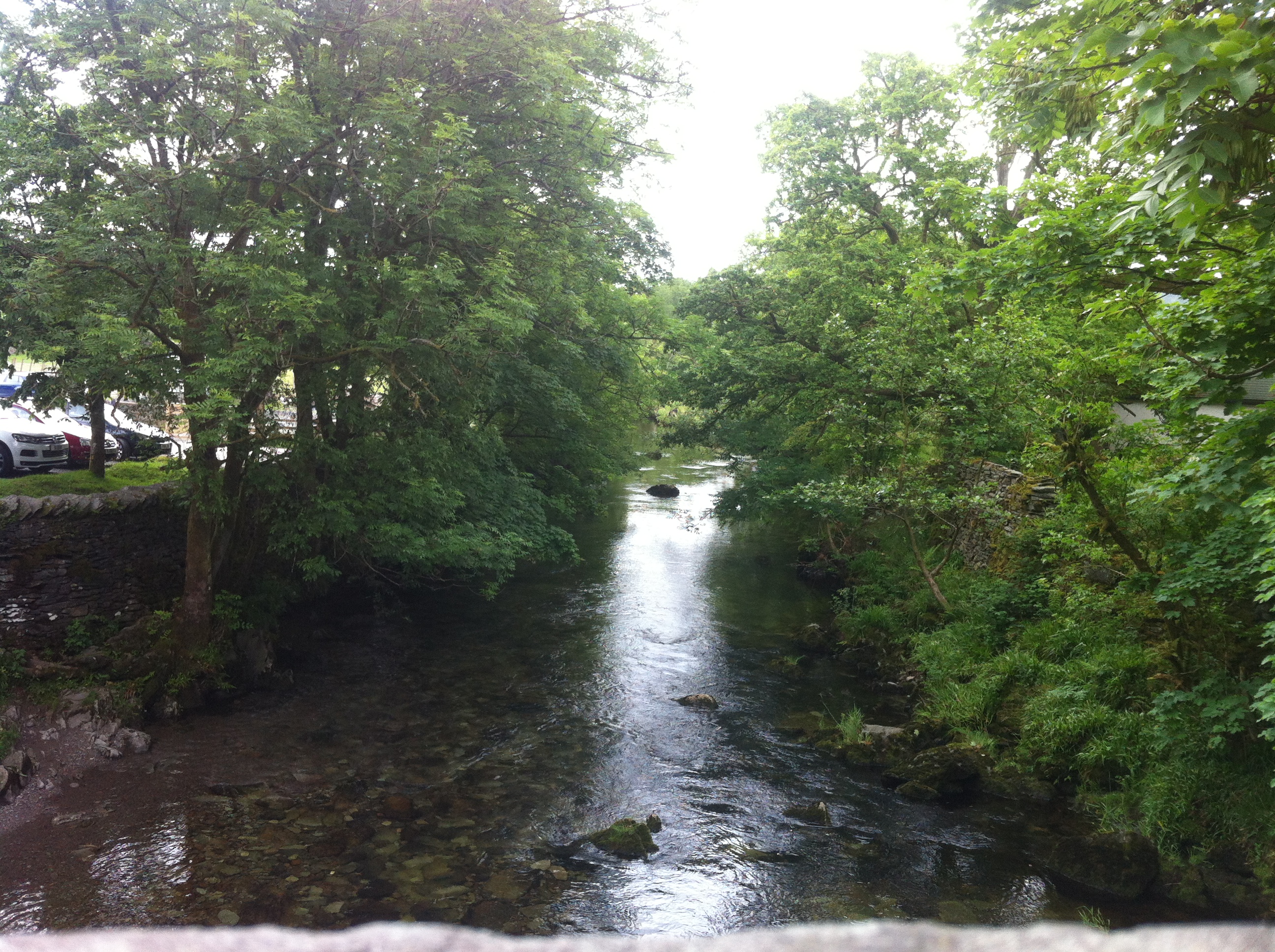
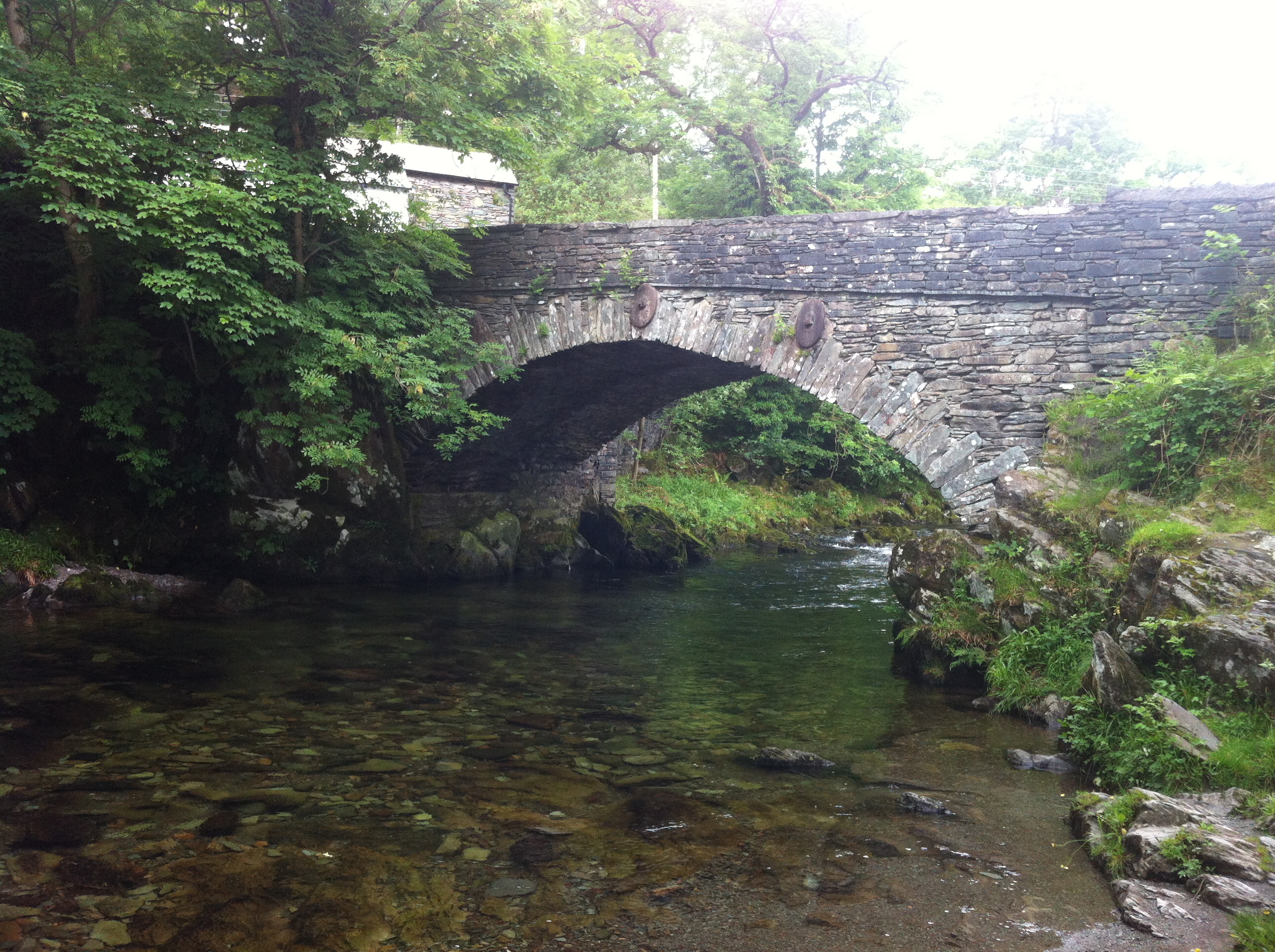
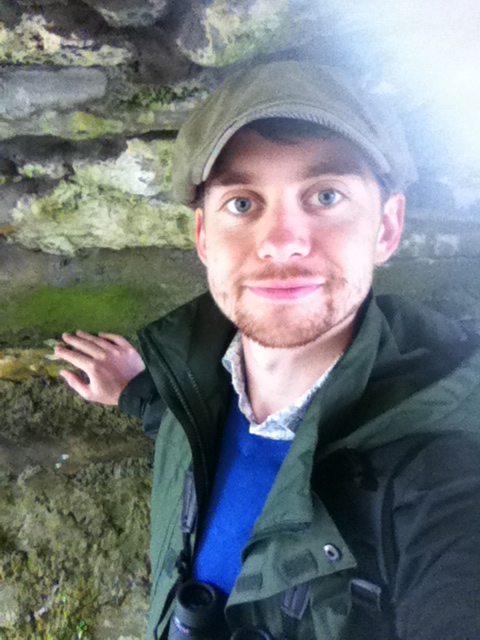
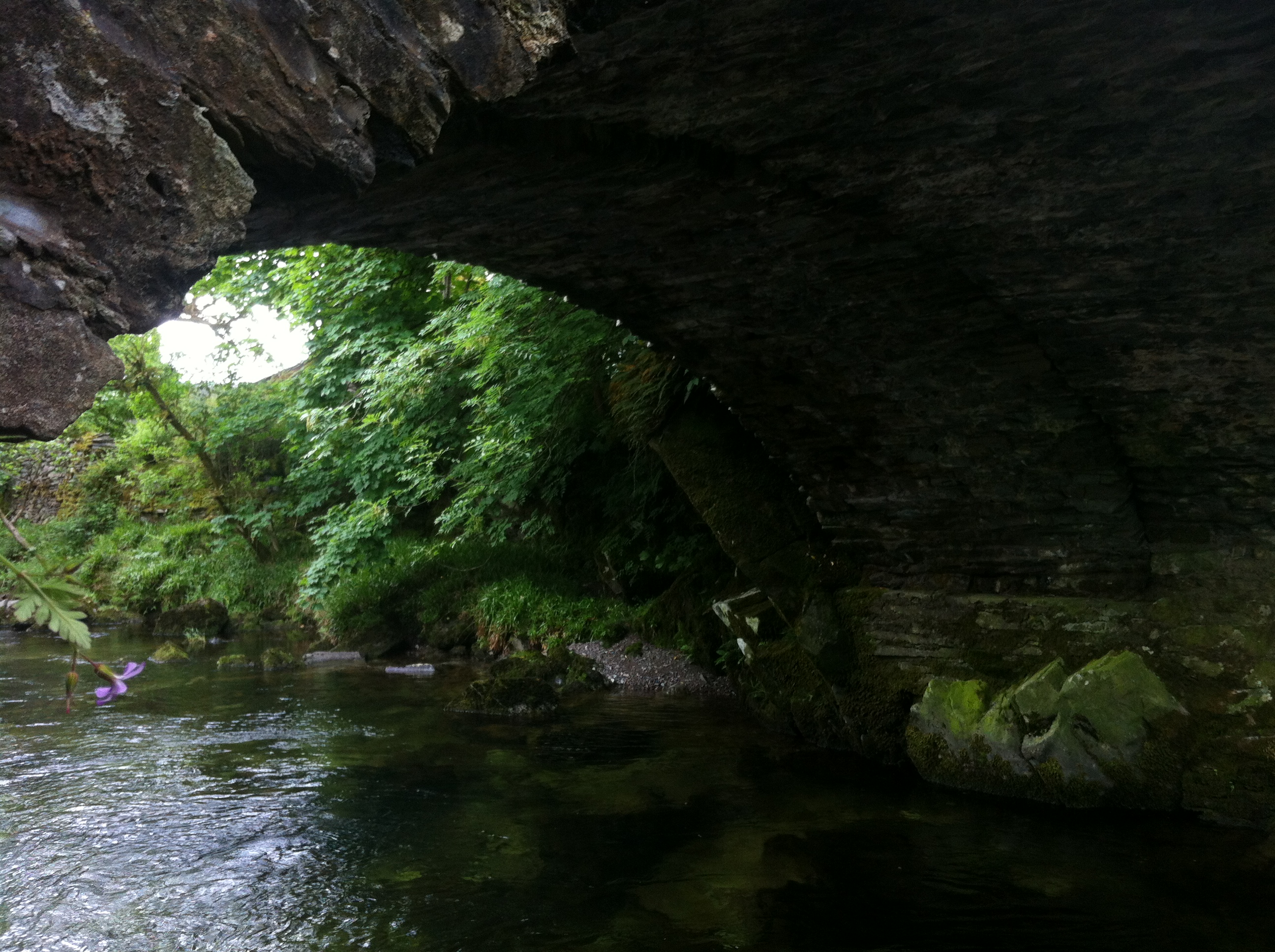
The view from Elterwater BridgeLooking down!Quite a nice bridge… I’m going to go under it! 🙂Under-a-bridge-Selfie!A bit of the view from the other side.
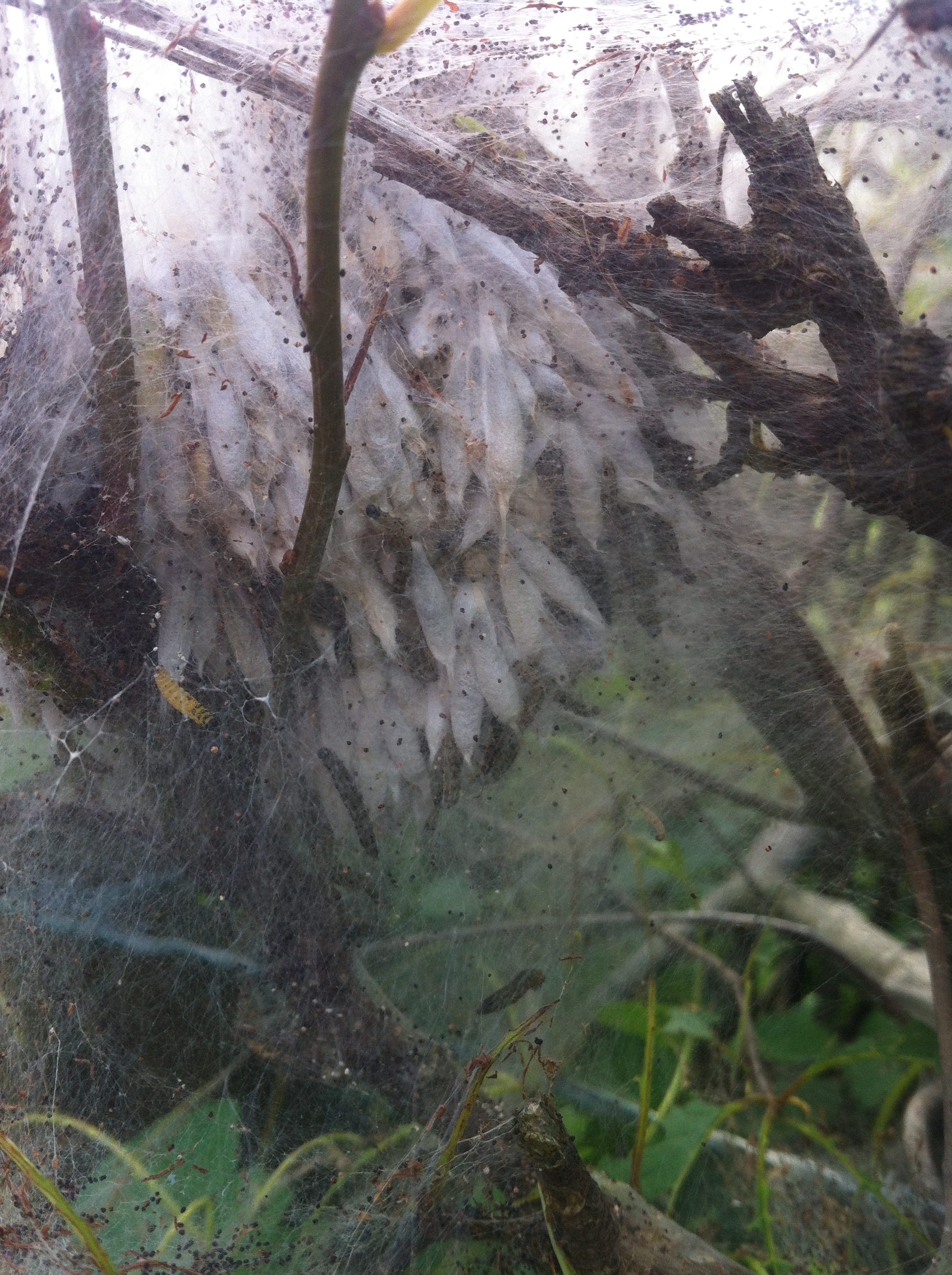
We’re some way away from Elterwater now, within Great Landgale. I came across something I knew would interest the others 😉
Ermine Moth Larvae!Almost an entire hedgerow was covered. I’ve seen similar in Frankley 🙂Cocoons!Ahaha! I believe they’re waiting for me 😛 …What a great view 😉
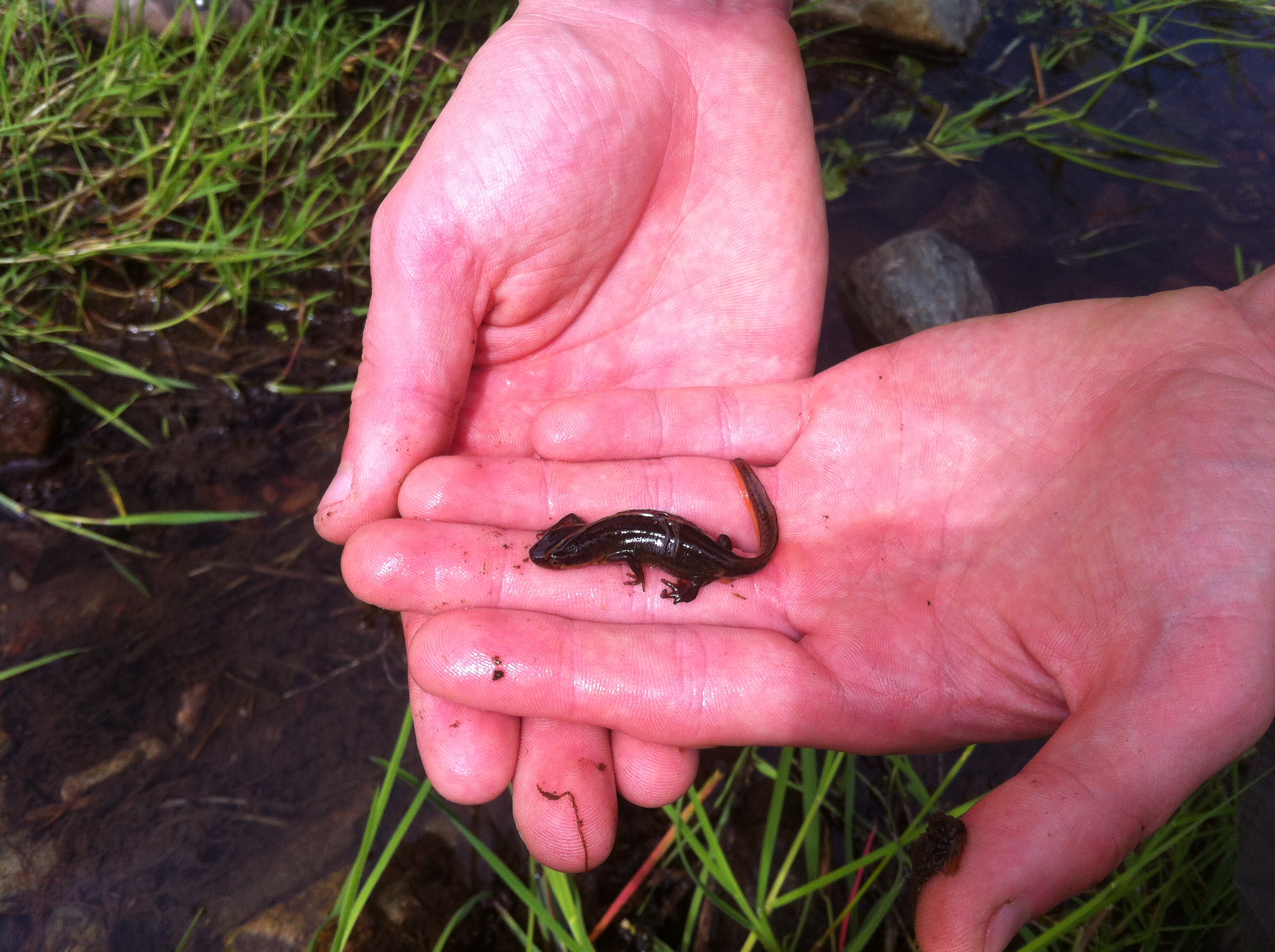
We eventually passed by these hills and later came across a little stream, that I sadly have no pictures of… But below is what Scott found! 😀
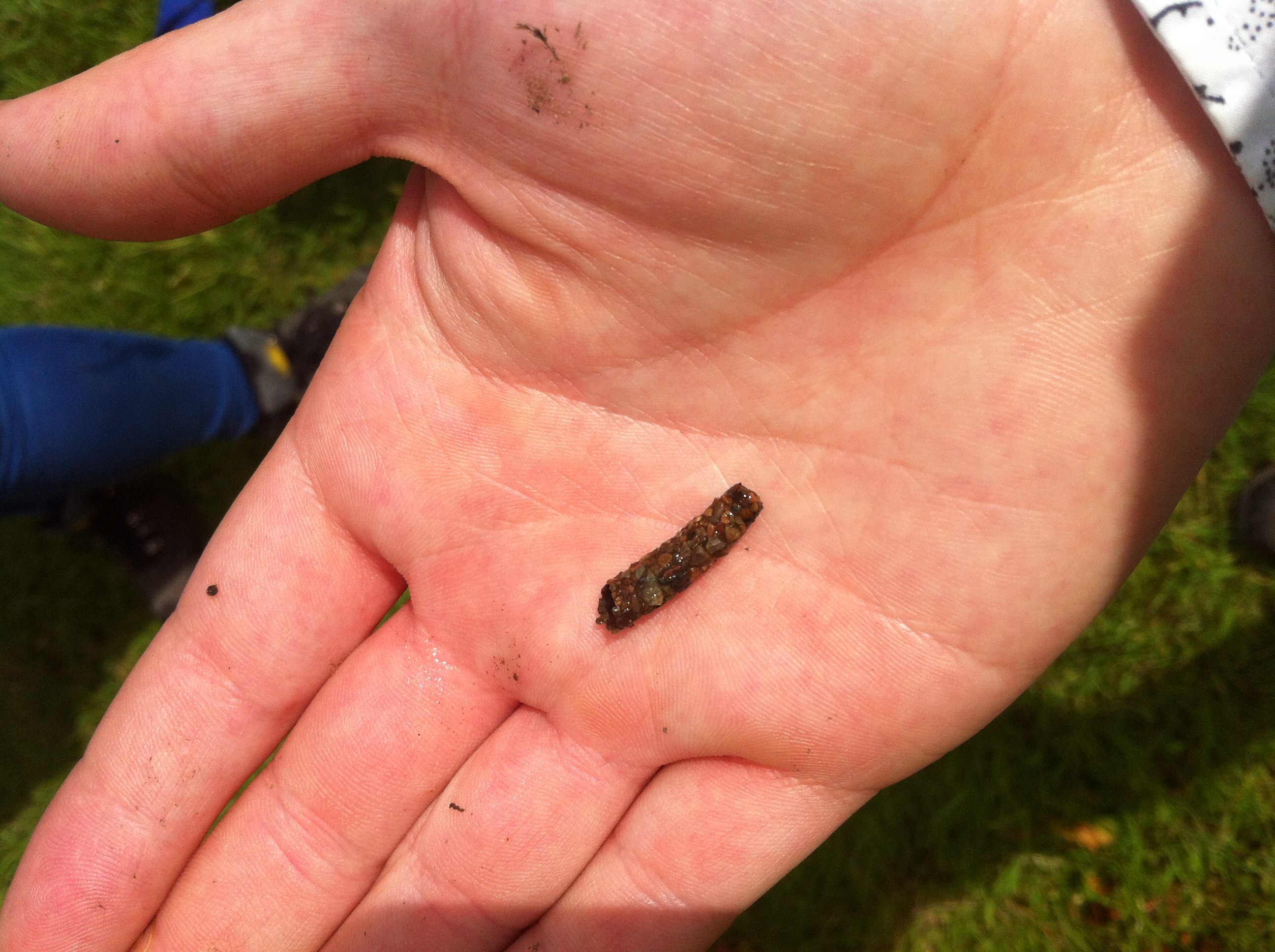
A Newt 🙂I’m holding Caddisfly Larva! Or it’s casing at least…
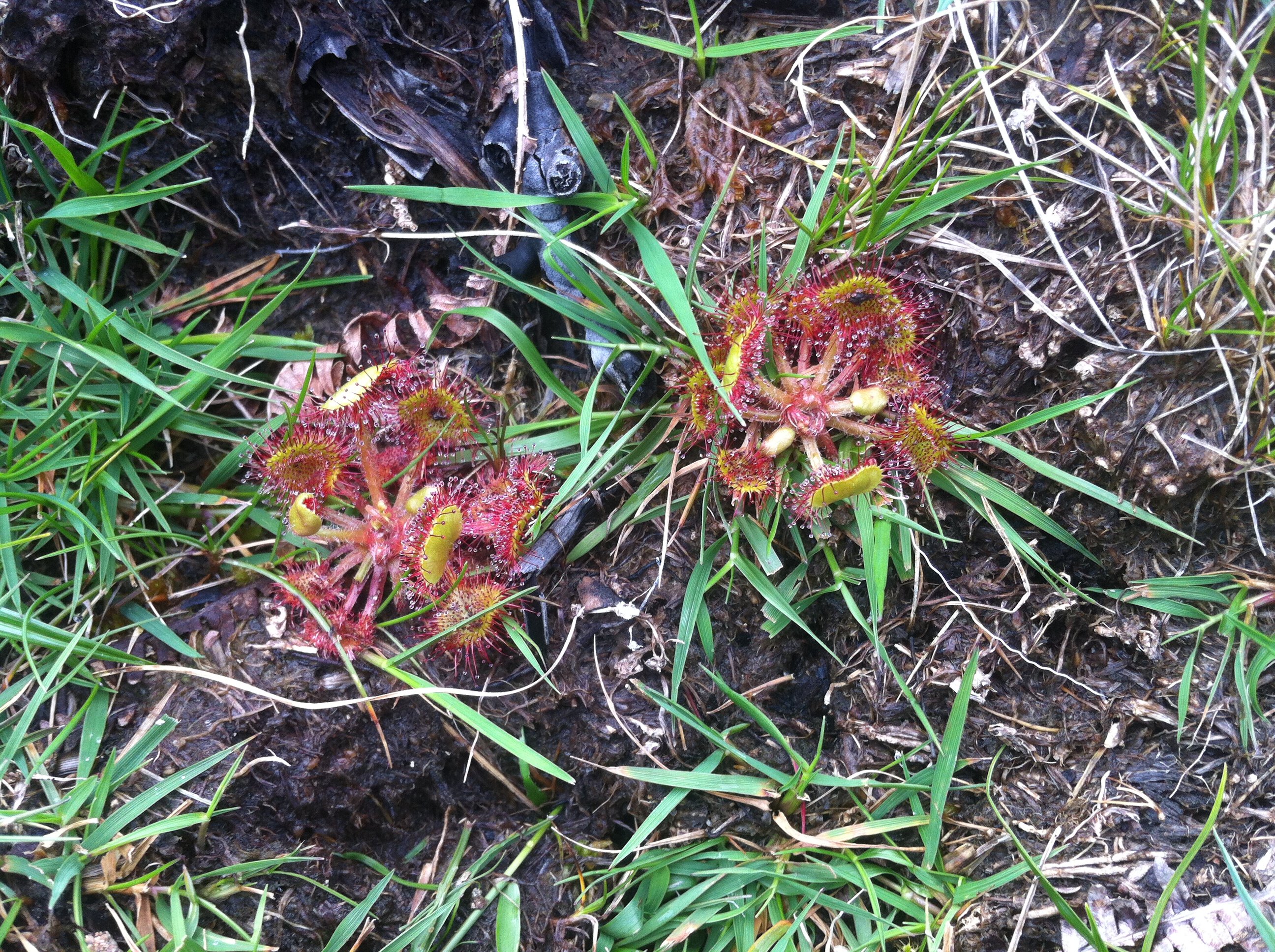
Later on – on our way back, getting closer to Little Langdale – Scott finds something rather special!
The last day of 30 Days Wild! We went on a Ten Lakes Spectacular Tour! My highlights/things I managed to take pictures of:
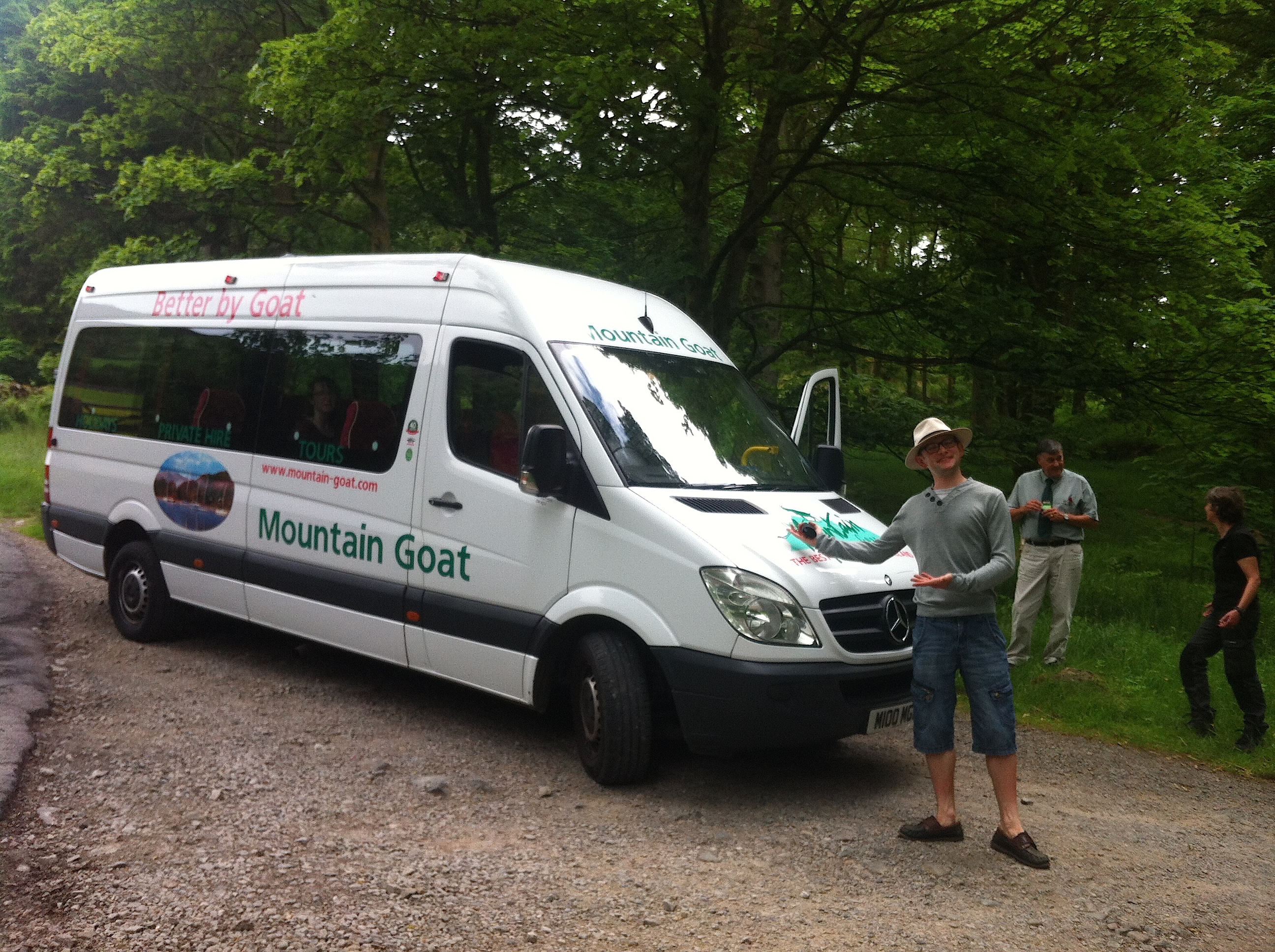
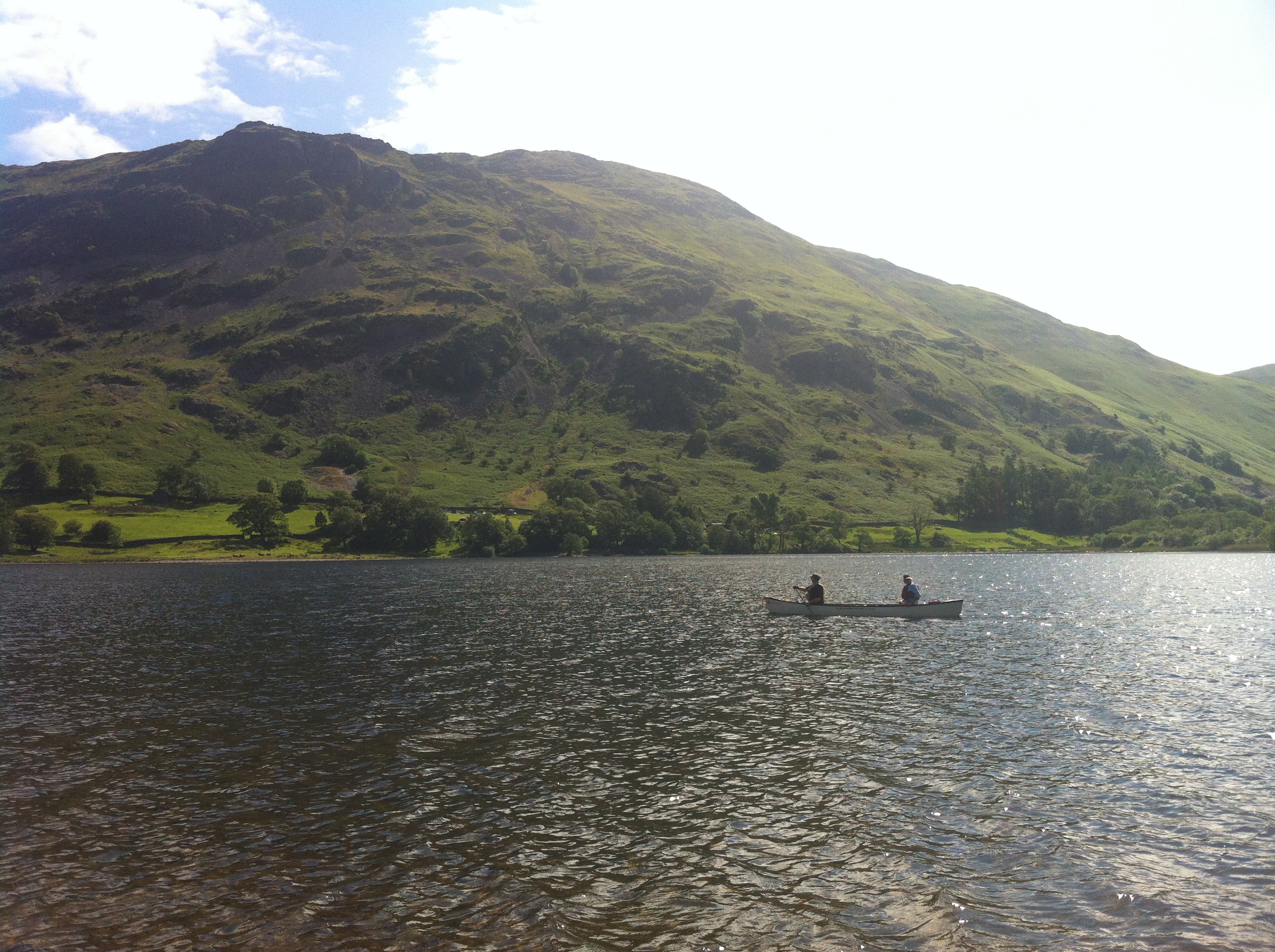
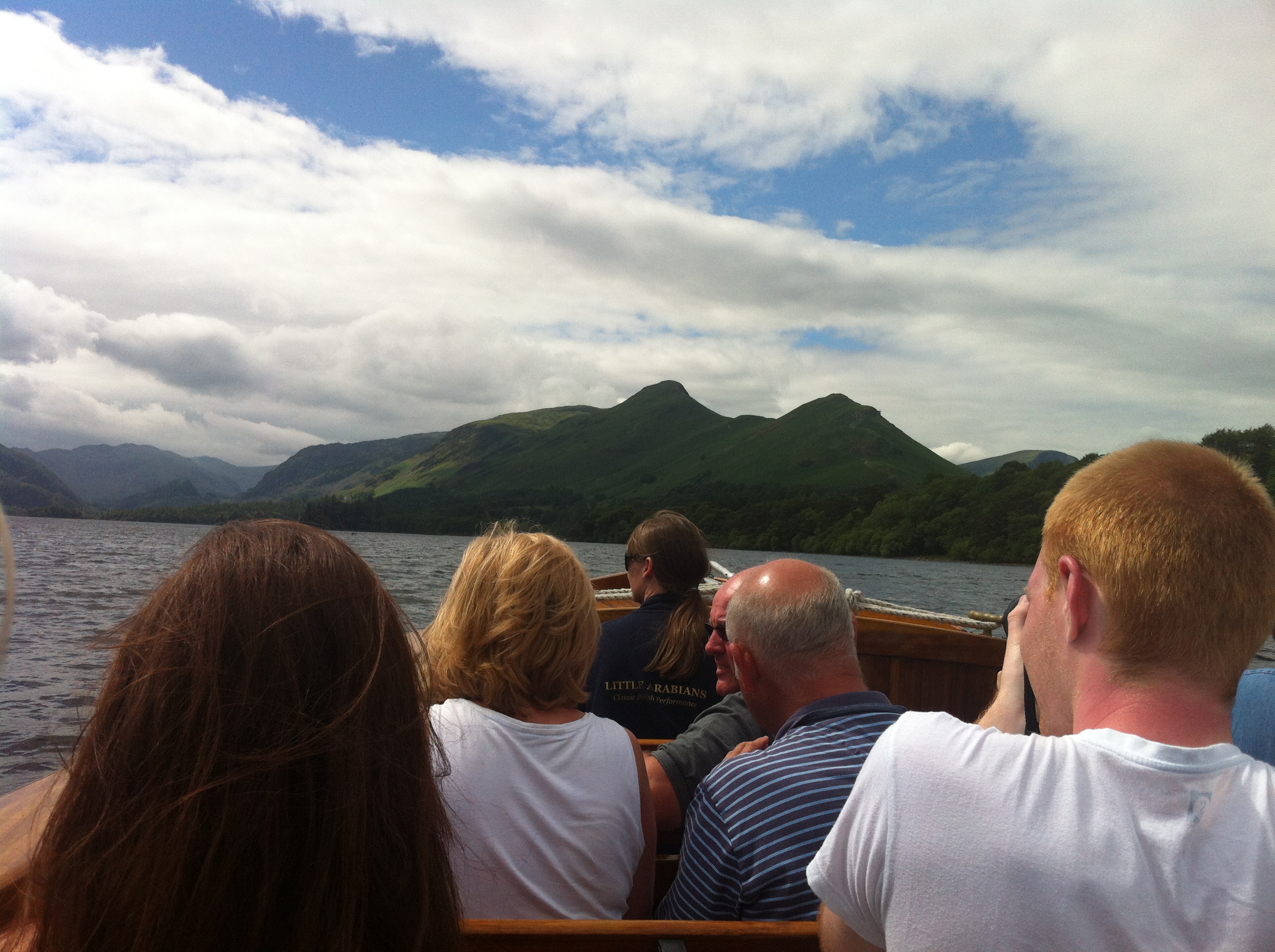
The tour bus! Kindly modelled by Nick 🙂 Behind Nick is Chris, our jovial Mancunian tour guide and his assistant for the day, Tess. (By the way, that’s not a ghost in the window, that’s a patiently waiting Charlotte) 😉I believe down there is Yew Tree Farm, formerly owned by the brilliant Beatrix Potter!Brothers Water is down there in the distance.The weather was lovely at Ullswater!Ullswater is a great place to go boating.Derwentwater and the Catbells 🙂
A cruise is part of the tour! 😀
It felt almost as if I was in a scene of a film, Jurassic Park for example 😉
Derwentwater is near Keswick. It was funny feeling like I was in a film and then disembarking to a recently arrived Film Crew! They were setting up for a remake of Swallows and Amazons, I hear it’s a BBC Films production.
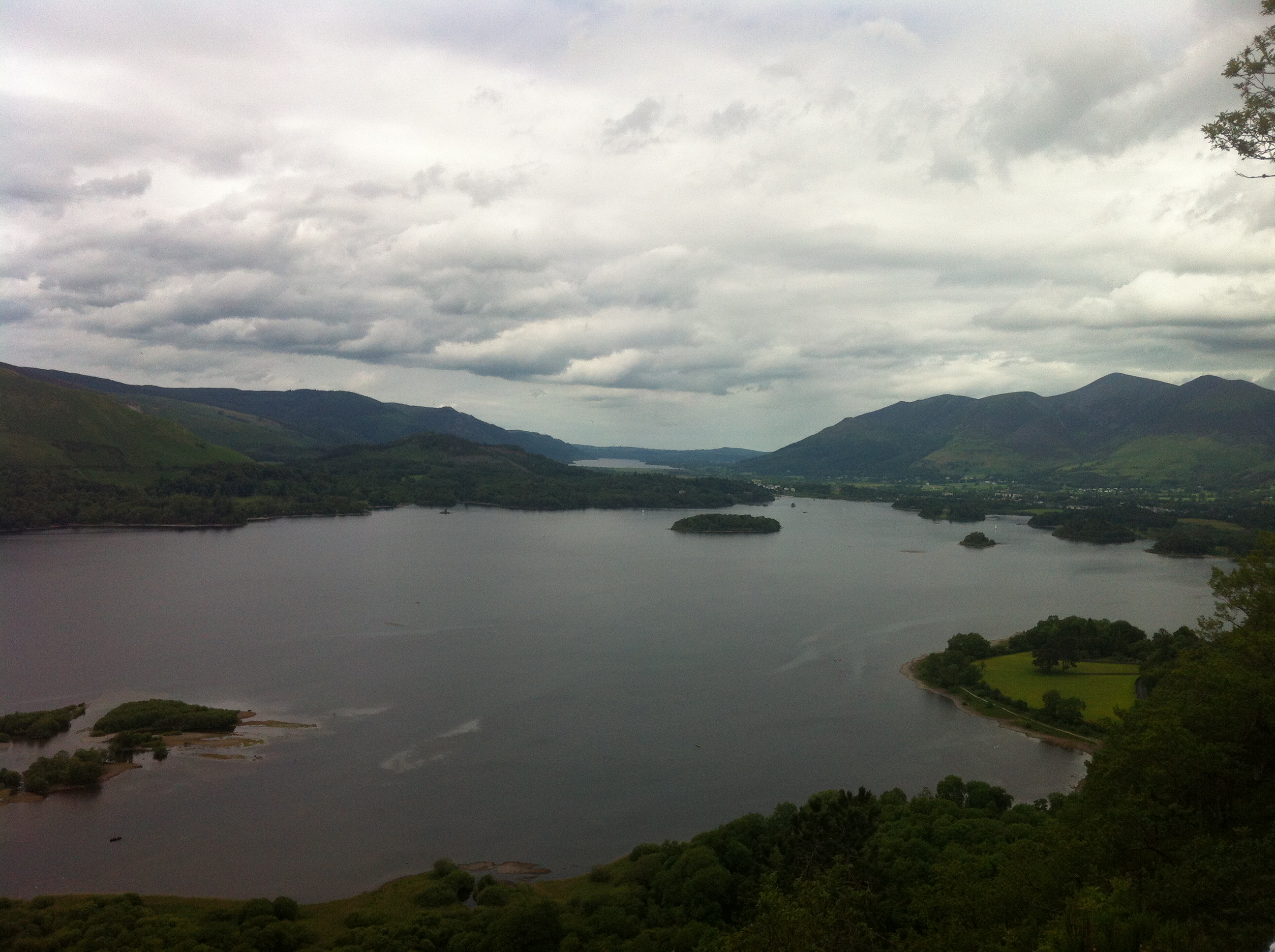
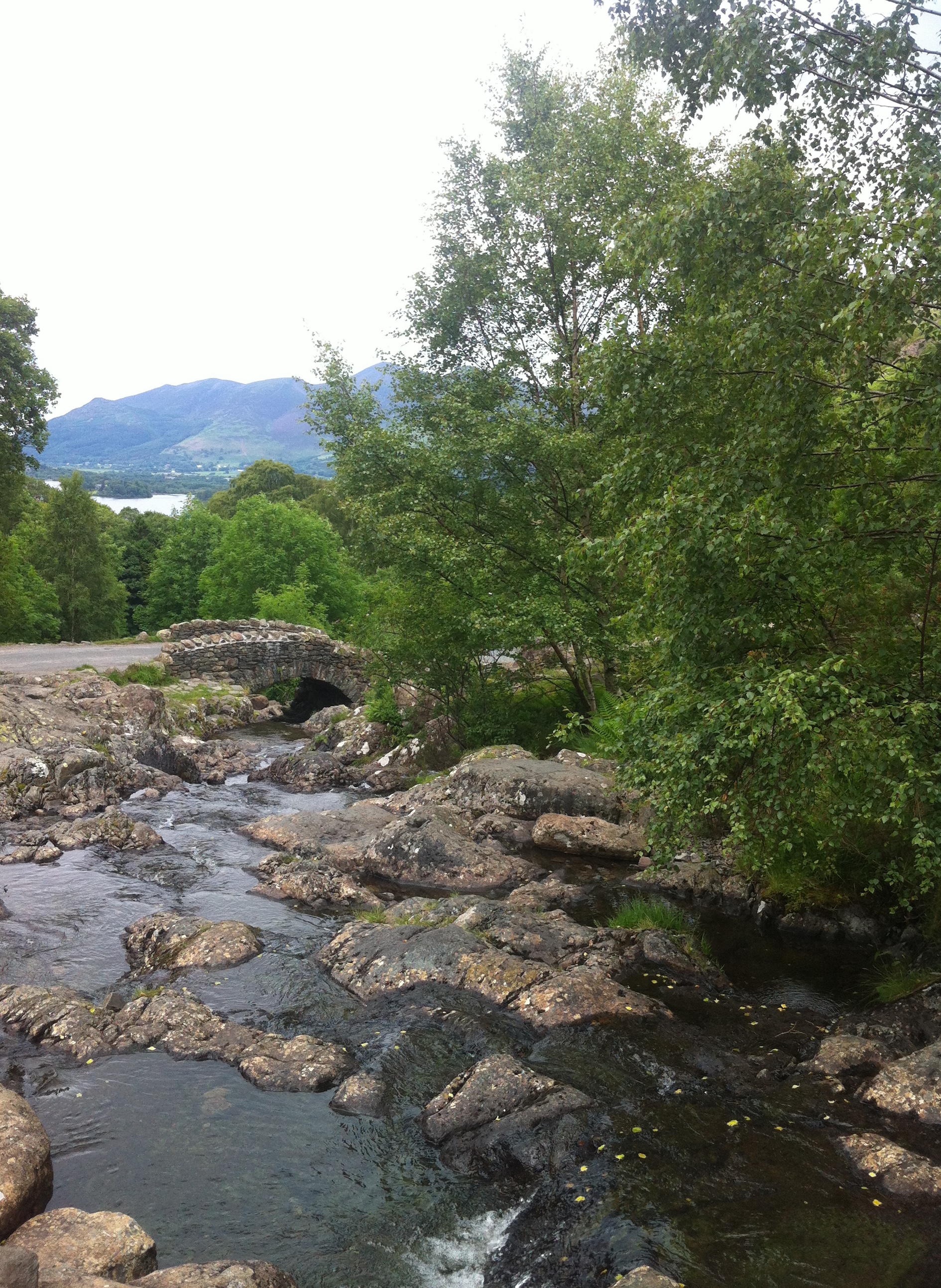
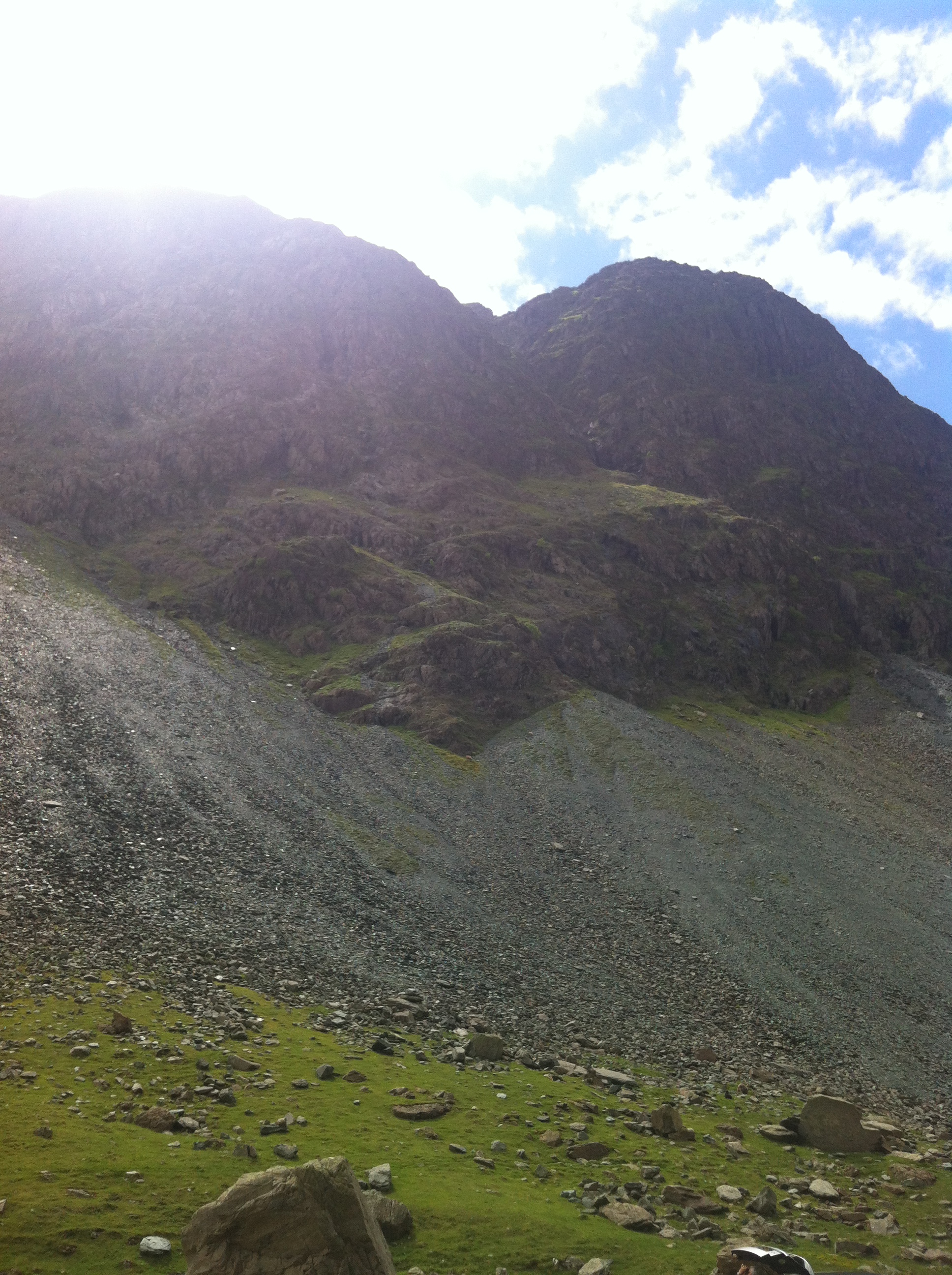
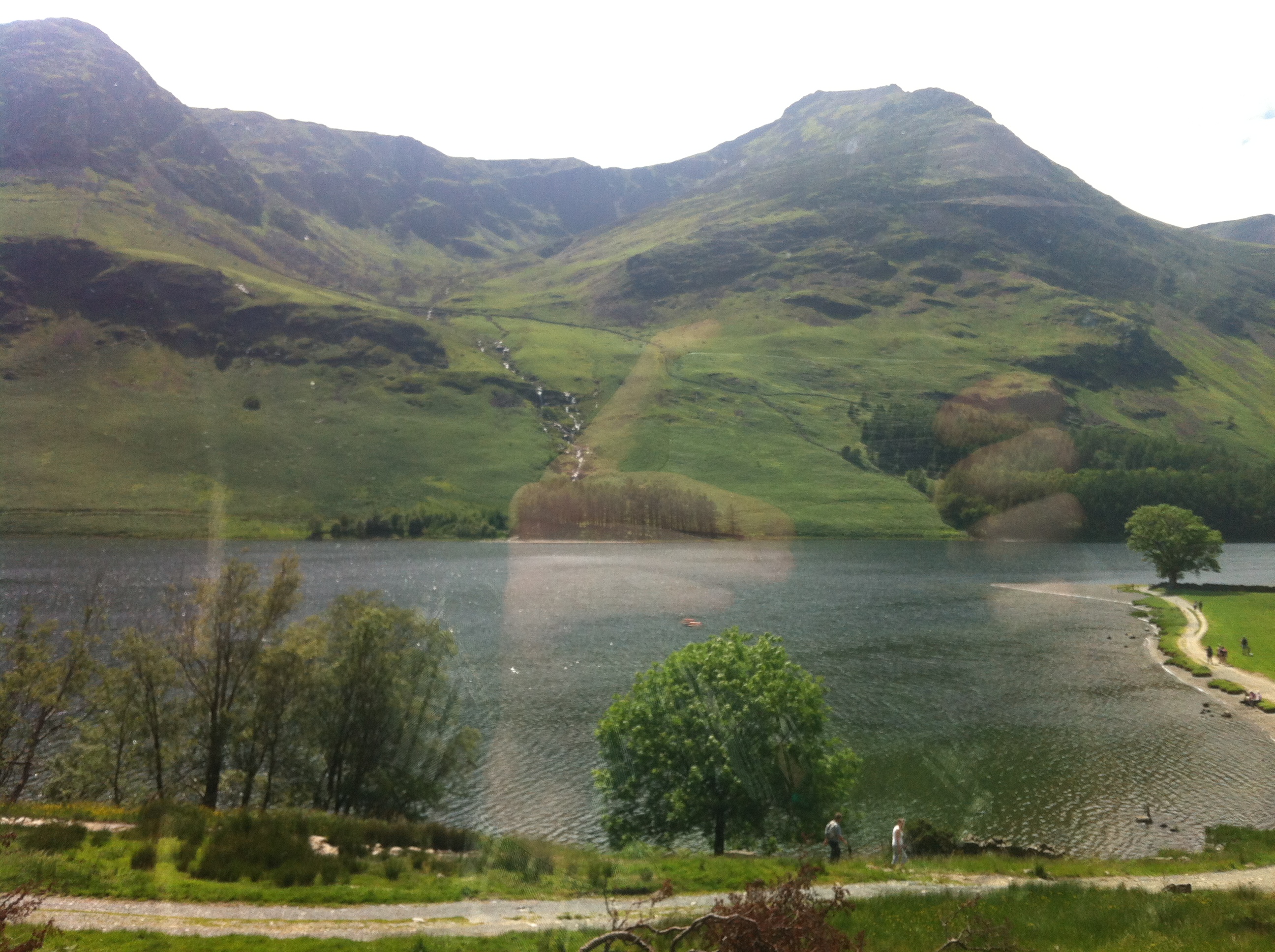
Looking down at Derwentwater from this spot is called Surprise View!More of Derwentwater from above.Ashness Bridge, one of Britain’s most photographed bridges, just down from Surprise View 🙂Honister PassNick in awe of Honister Pass 🙂Buttermere
I’m going to the Lake District on Saturday (Day 27) for a week. I shall be staying in a National Trust Cottage in Little Longdale near Coniston 🙂 So I made sure I was all organised for my trip to Cumbria! I’m pleased I will be spending the last few days of 30 Days Wild in a stunning part of the UK!
All packed for my trip to The Lakes!
Day 26 – “Save a life”
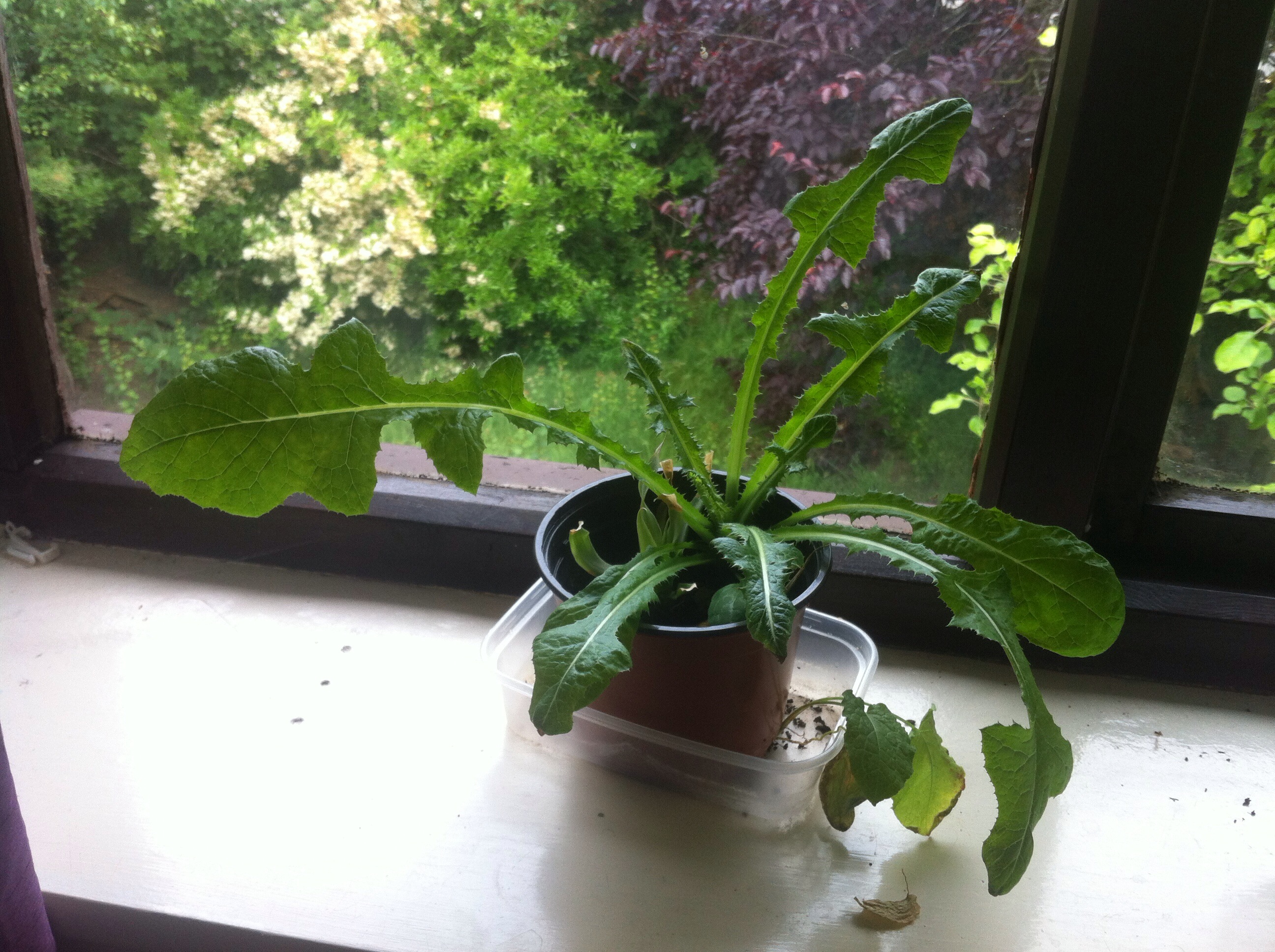
I’ve allowed what I believe to be a Thistle (and a wee Doc plant) grow in my plant pot; which also contains a baby Pineapple plant (the original inhabitant) on my windowsill at my house-share. I shall consider this as saving a life 😉
I chose the mystery location for yesterdays’ video, because I grew up a short walk away from it and was inspired by an episode of Countryfile where Anita Rani showcases rural Bradford 😛 Incase you’ve not seen the video, I’ll not ruin the ‘surprise’ with naming it. It’s where I cut my teeth as a child and naturalist, so to speak and over the years I’ve seen loads of wildlife there, a few firsts, which includes the time I saw my first Weasel as a child! Yesterday my friend Gary and I observed a Kestrel and Jay up there.
In the second shot of the intro to my video, I’m on the top of Rubery Hill/Cock Hill, with the Frankley countryside and suburb in the background, there are more great views from up there; the Lickey Hills, Rubery and Bromsgrove in the distance – plus the country park I reveal in my video 😉
When we were filming near Frankley Beeches wood, we heard and saw a beautiful male Yellowhammer – it’s the second time I’ve seen one in Frankley, (I’ve mainly distantly heard their song now and again) so I decided to record and feature this Yellowhammers’ song as the soundtrack for the video. We could also hear the beautiful song of the Skylark in the distance, down near Lower Hill Farm. On New Street, near the Greenbelt just before Frankley Hill Lane (which leads up to the Frankley Beeches Wood) I saw a partly Leucistic male Blackbird collecting worms, I almost mistook it for a Ring Ouzel!
A nice easy one today 🙂 I spent most of my day with my friend Laura at her Pet Store. I’ve mentioned the shops’ unkempt Wildlife Garden in a previous Blog post, it’s where I took todays’ “something blue”.
The modest Forget-me-not.
I’ve heard Forget-me-nots being described as “a British staple” – they do seem quintessentially British 😉
The Sweet Peas are doing well in the CavyNoodle Wildlife Garden.
Longbridge, in South Birmingham – the birth place and former home of Rover – has a new High Street and Green Space! It’s on the site of where the said factory used to be. The River Rea that runs through the area has had a habitat and Green Space created around it, and it’s pretty much established and looking lush now! 😀
Today I explored it after purchasing Father’s Day gifts (with my trusty mobile to hand for snaps and clips).
The car park of the newly located Bournville College, with Green Space along side it, some of the old Rover site on the other side.People and nature co-existing beautifully.
I saw a Grey Wagtail (which have some yellow feathers) down there to left of where the lad on the bike was. The video below isn’t great but you can hear it calling 😛
The middle of the new Green Space, looking towards the chap on the bike. This is the bridge you see in the distance.Where this newly created habitat ends.
I was really pleased that this new place is now a good feeding area for House Martins, there were quite a few wizzing and swooping around 🙂
#30DaysWIldToday I was sorting out the blog for yesterdays Random Act of Wildness – “Admire the setting Sun”, it was raining and I had work later. I wasn’t really left with many options, due to the constraints (time and weather). So, I chose to read a non-fiction book on the bus to work (wildlife related of course).
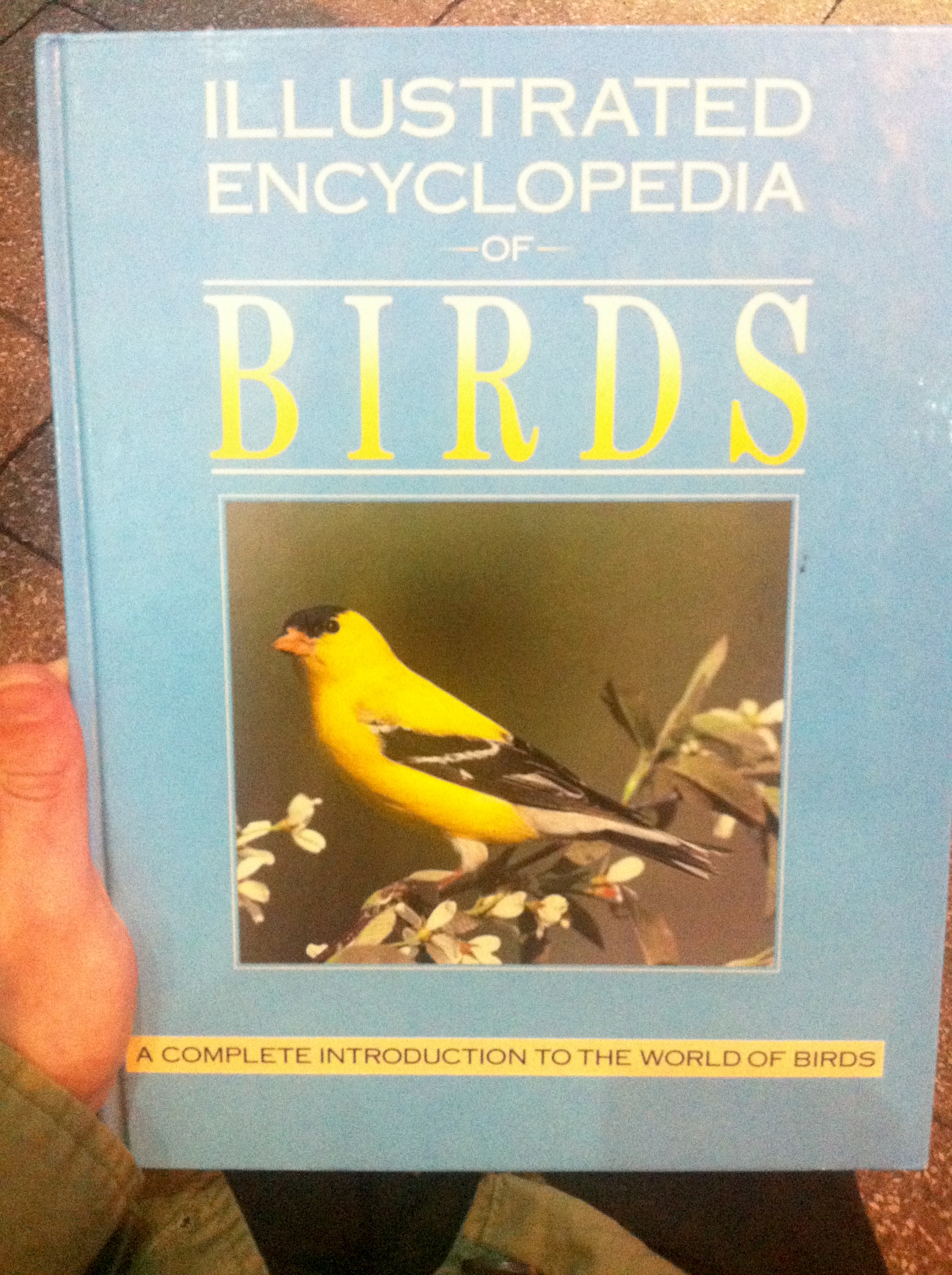
Refreshing my knowledge and filling in any gaps. The bird on the front of the book is an American Goldfinch, it’s just a funky Siskin to us Brits 😛 I really like the first two paragraphs in the introduction for Section One of the book, so I’ve quoted them below:
Birds are not only one of the most successful groups in the animal kingdom but they hold a special position in our awareness of the natural world. They are often the most obvious living creatures in a landscape (their apparent confidence borne of an ability to fly to safety) and their bright colours and melodic songs have long been admired by man. Yet it is only recently that we have begun to fully appreciate just how intricate their lives are.
The 8000 or so species of birds have evolved over millions of years and have adapted to many different modes of life. If one was to take a single feature which places the birds apart from all other animals it would be the development of feathers. These complex and delicate structures not only make flight possible but also serve many other functions, notably providing insulation from cold or wet and furnishing attractive or eye-catching plumages for use in courtship and territorial rituals.
Such great facts! ❤ What a top way to introduce readers to a book all about birds.
I have to stop myself from quoting more paragraphs, so I’ll just quote one more. From the top of page 8:
Birds have lived on earth for far longer than man or any of the mammals. When giant dinosaurs roamed the world, there were already many kinds of birds inhabiting the forests, and wetlands and the marine environment. They included some types which we would recognise today, such as grebes, herons and waterfowl. In fact, it seems that birds are probably descended from small dinosaurs called coelurosaurs which ran standing up on their hind legs and balancing with their tails, much as birds do today. Compsognathus is a typical coelurosaur.
This book was published in 1989 by The Hamlyn Publishing Group Limited. It has 3 sections in all; Biology of Birds, Bird Habitats of the World and Bird Families of the World – covering all aspects. It has a mixture of stills and illustrations, I think it’s a brilliant book.
#30DaysWildFor day 18, I decided I would take a picture of whatever caught my eye. The first thing that did, was a lovely Green Shield Bug! 🙂
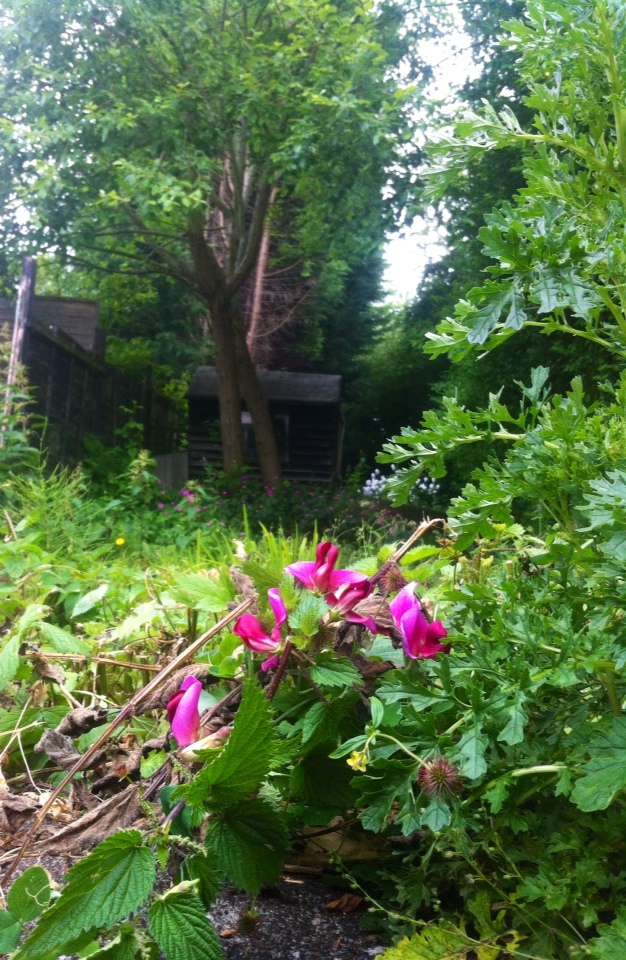
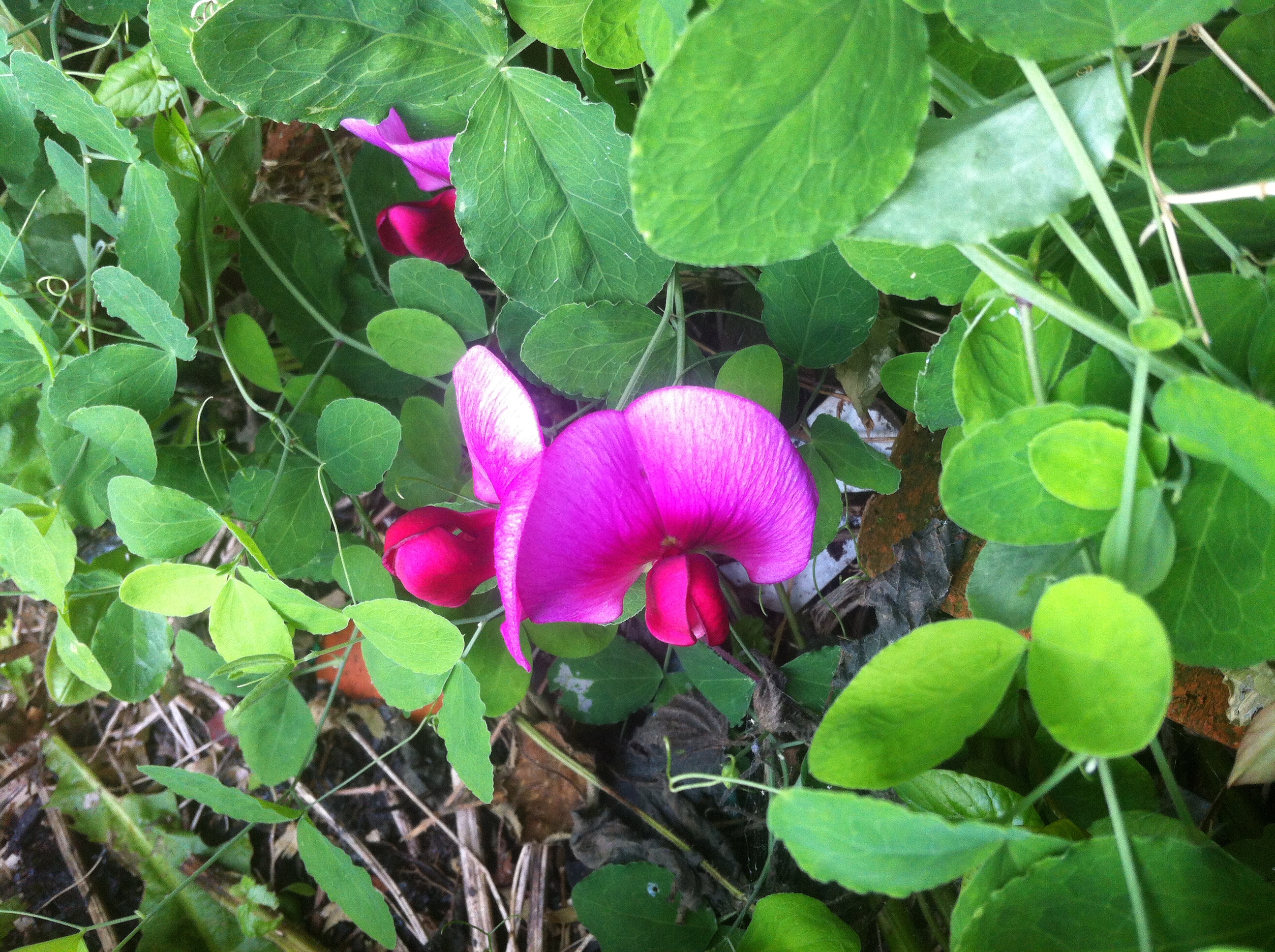
A Green Shield Bug perched on my parents livingroom window.Later I went to visit my friend Laura’s pet shop, CavyNoodle Pets UK – in a village called Rubery. The shop more or less has a Wildlife Garden out back, where various wildflowers pop up. The Sweet Pea below, stood out to me.
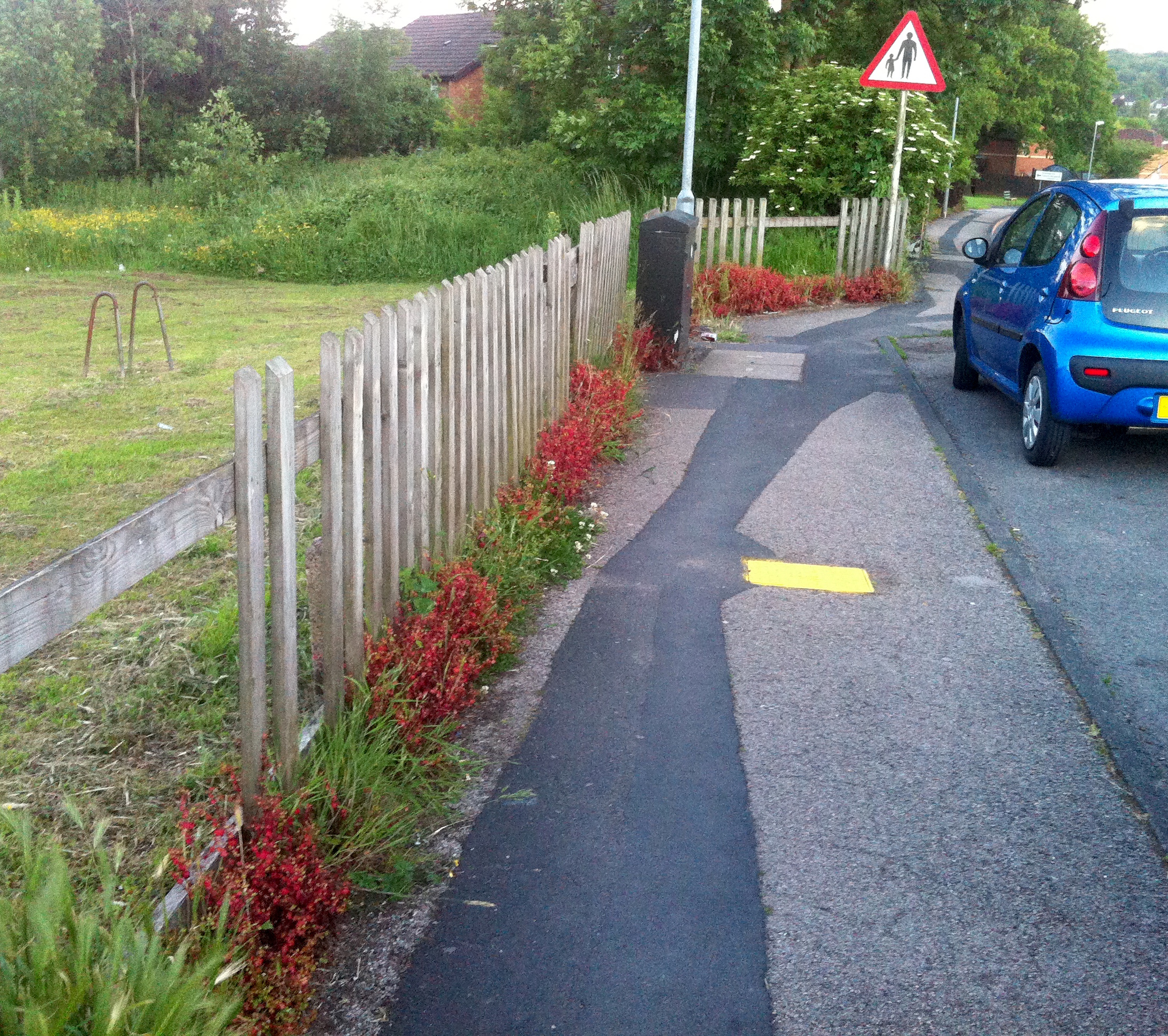
This Sweet Pea is growing wild, so its’ flowers and leaves are larger than the cultivated varieties.On the way back, I remembered the Shinning Cranesbill I passed on the walk down to Rubery was very red! So on my way back up, I snapped a couple pictures.
It’d be really cool, if this whole path was lined with red Shinning Cranesbill! A closer view for you.These particular plants are red in colour due to the dry weather – therefore are nutrient starved, shutting down/stopping chlorophyll production and going to seed quite early. The remaining sugars in the leaves give it its’ red pigment. In away, the sugars have caramelised 😀

























 Canned Wildlife
You must be logged in to post a comment.