On 28th March (2018) I was out walking with my mum, when I spotted a couple of Nuthatches on the edge of a wood where we were just about to walk through, and I happened to notice that one of them was putting mud around a hole in a tree, as its nest is in the cavity of the tree.
My mum and I was delighted to witness this and were both surprised at how close to the path it was. Recently I purchased my latest video camera – my first semi-professional one – a Canon XF300 and decided I would return on a day with better weather and test it out on the Nuthatches.
On 5th April (2018), the conditions were perfect, so I went to where I observed said behaviour and thankfully the construction was continuing and below is what I filmed:
The now classified as Near Threatened on the IUCN Red List, UK Amber and Red List species under the Birds of Conservation Concern review and as a Priority Species in the UK Biodiversity Action Plan, Eurasian Curlew are still holding on at Upton Warren in the landlocked county of Worcestershire in the West Midlands region, and they can be seen throughout autumn and winter, roosting at The Flashes most evenings.
For waders they’re large and tall, approx the size of a female Pheasant – making them the largest European wading bird. Their haunting call (‘Cur-lee’) is unmistakable – it’s one of my favourite bird calls – it can be heard from February through to July on its breeding grounds; wet grasslands, farmland, heath and moorlands. From July onwards coastal numbers start to build up and peak in January.
Curlews feed on worms, shrimps and shellfish. The largest concentrations of them are found at Morecambe Bay, the Solway Firth, the Wash and the Dee, plus, the Severn, Humber and Thames estuaries. Their greatest breeding numbers are found in north Wales, the Pennines, the southern uplands and east Highlands of Scotland and the Northern Isles, plus, Antrim Plateau (Glenwherry) and Lough Erne Lowlands (Upper and Lower) in Northern Ireland.
The agricultural intensification (e.g drainage and reseeding) of upland farmland and moorland – plus the afforestation of moorland – is a big factor in the decline of their breeding population.
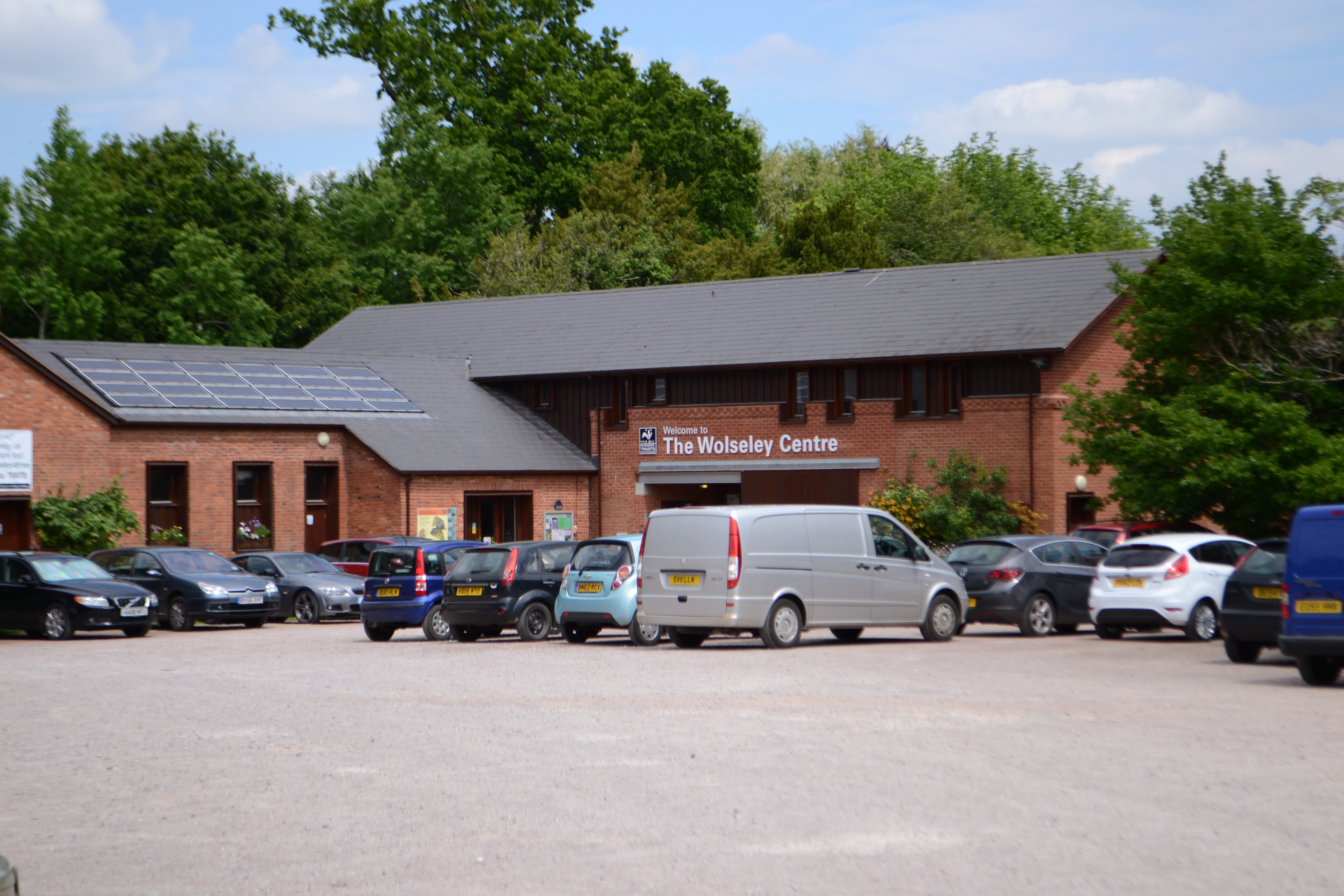
Today my friend Gary (mentioned in previous posts) and I visited the Wolseley Centre – Staffordshire Wildlife Trust HQ!
We’ve had great day, the weather was wonderful. We both hadn’t been before. I was impressed by the variety of habitats (grassland, lakes, rivers and woodland) and species.
Today’s challenge was “invite a friend into nature”, but it was also chance for Gary to brush up on his photography skills (I shall document what we saw below!) And in line with the challenge, I did my best to teach Gary about all the various creatures we came across and the bird songs we heard.
We saw Swallows and House Martins flying above the centre.
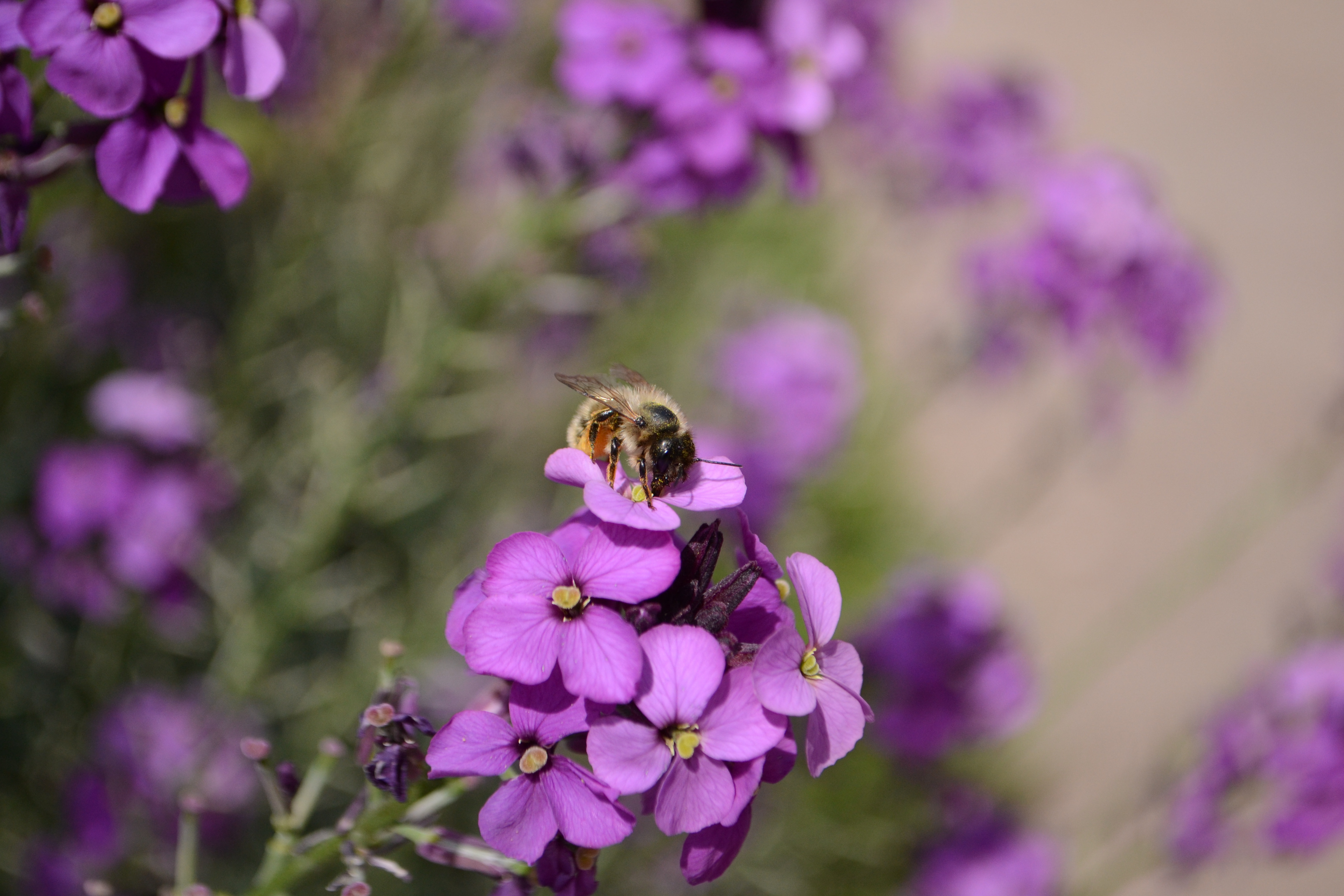
And this Bee and Bumble Bees on the Purple Wallflower at the entrance of the centre.
Not seen Honeysuckle in such a deep yellow before 🙂
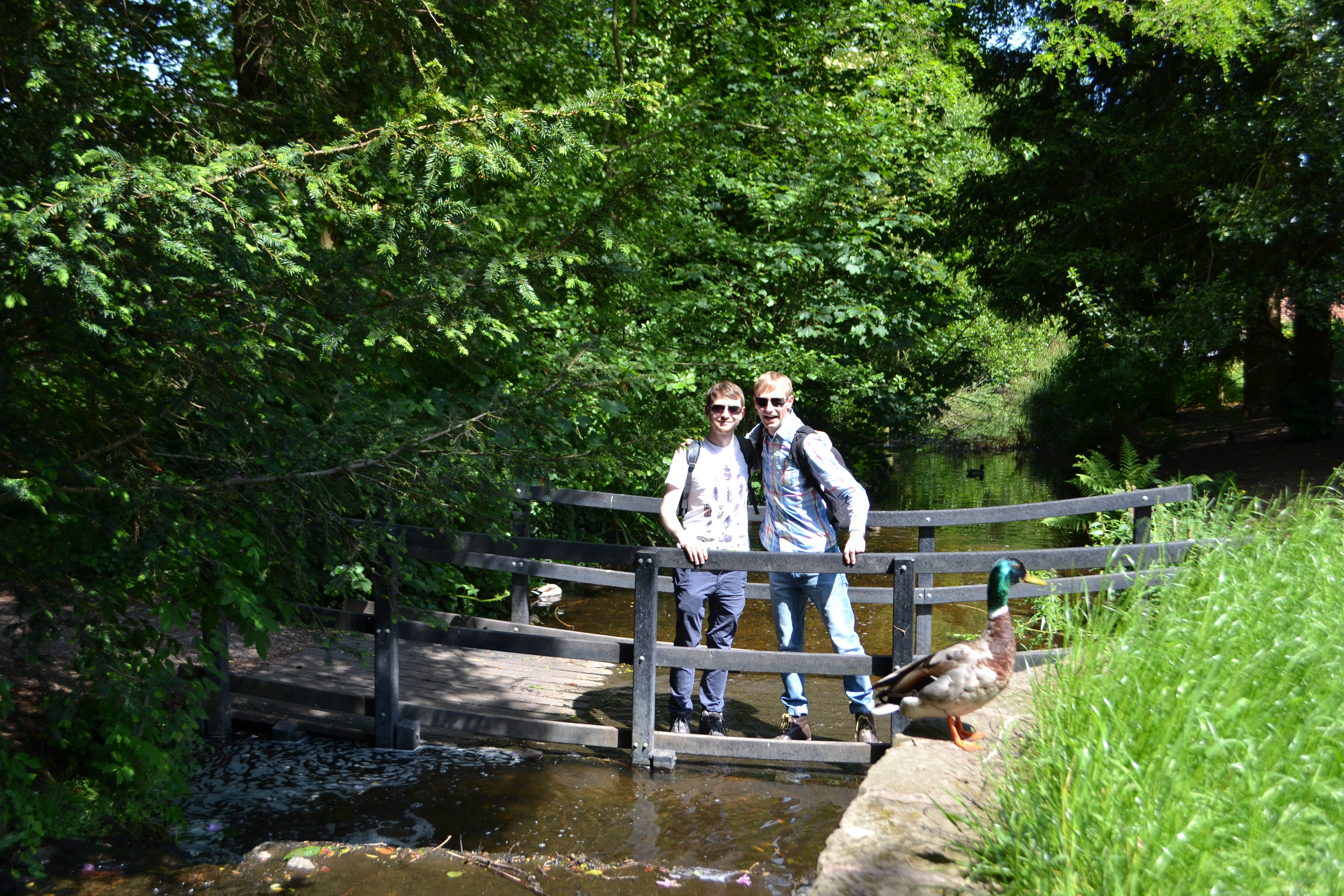
Gary and myself before our wild walk. Photobombed by a Mallard! 😉
Whilst Gary looked through my binoculars, I told him about what he was observing (nice shirt!)
A wild sculpture!
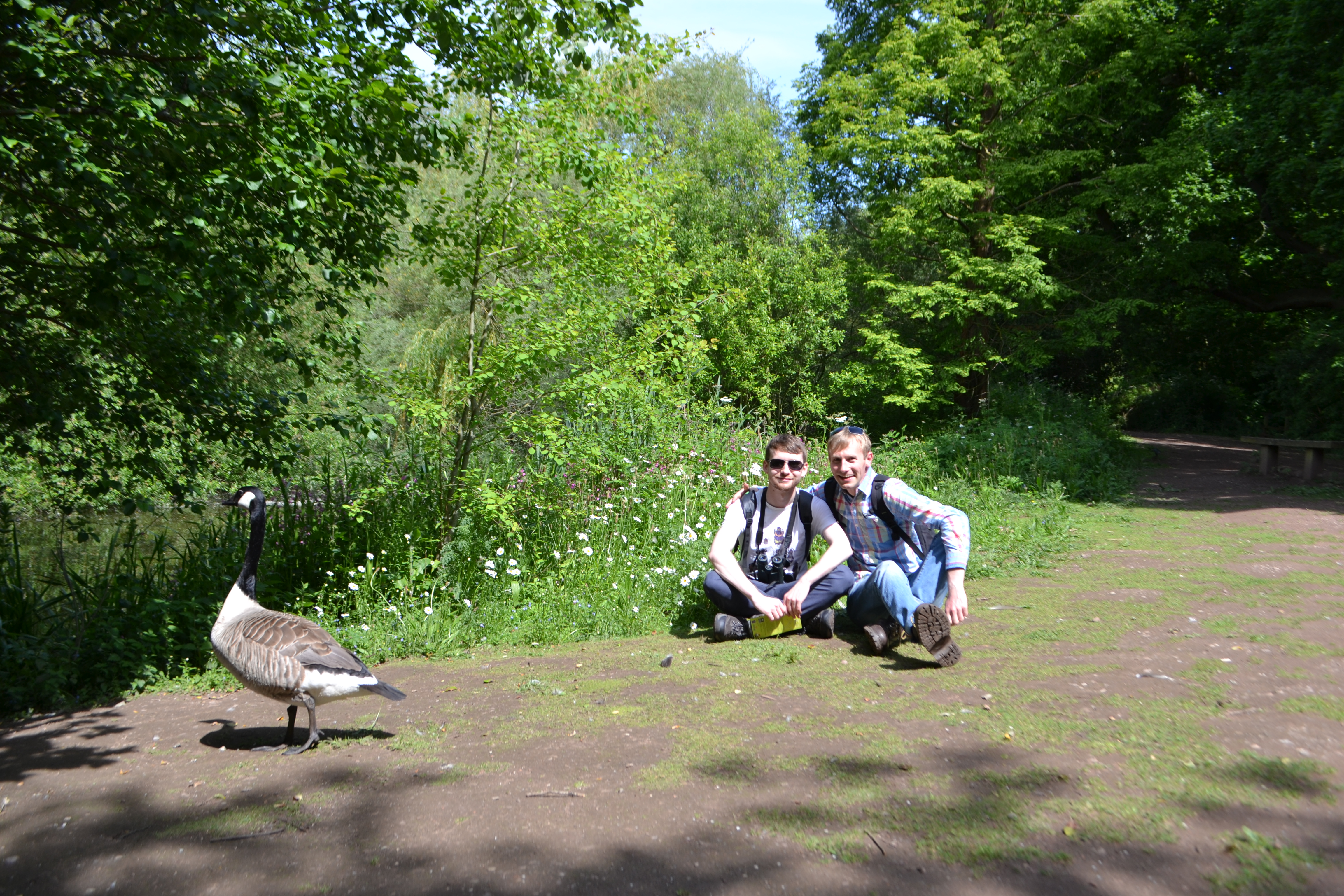
This time we were photobombed by a Canada Goose! 😉
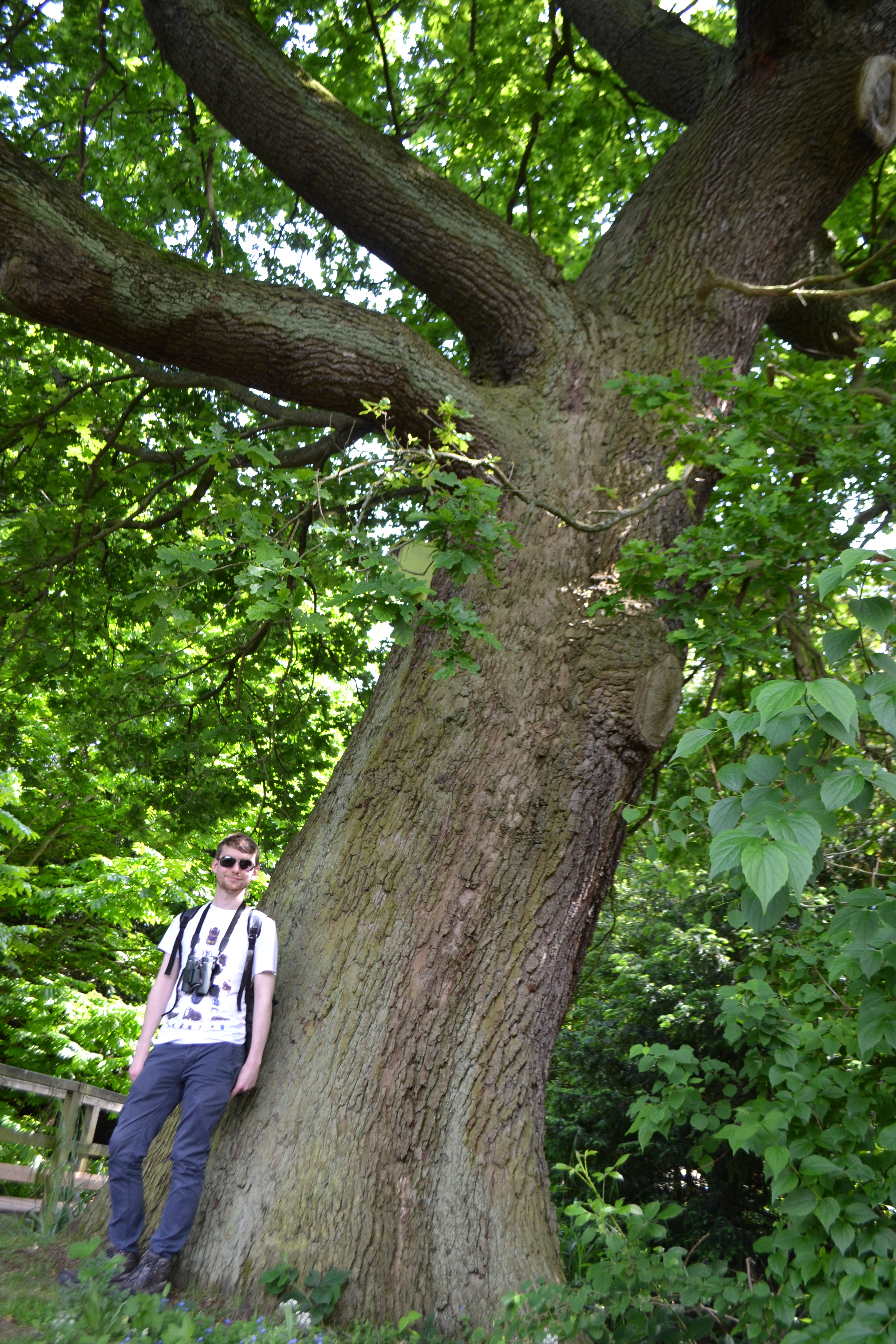
If you remember, I love Oak Trees! This individual has been adopted by Philip Rainsbury and Sue Haycock 🙂
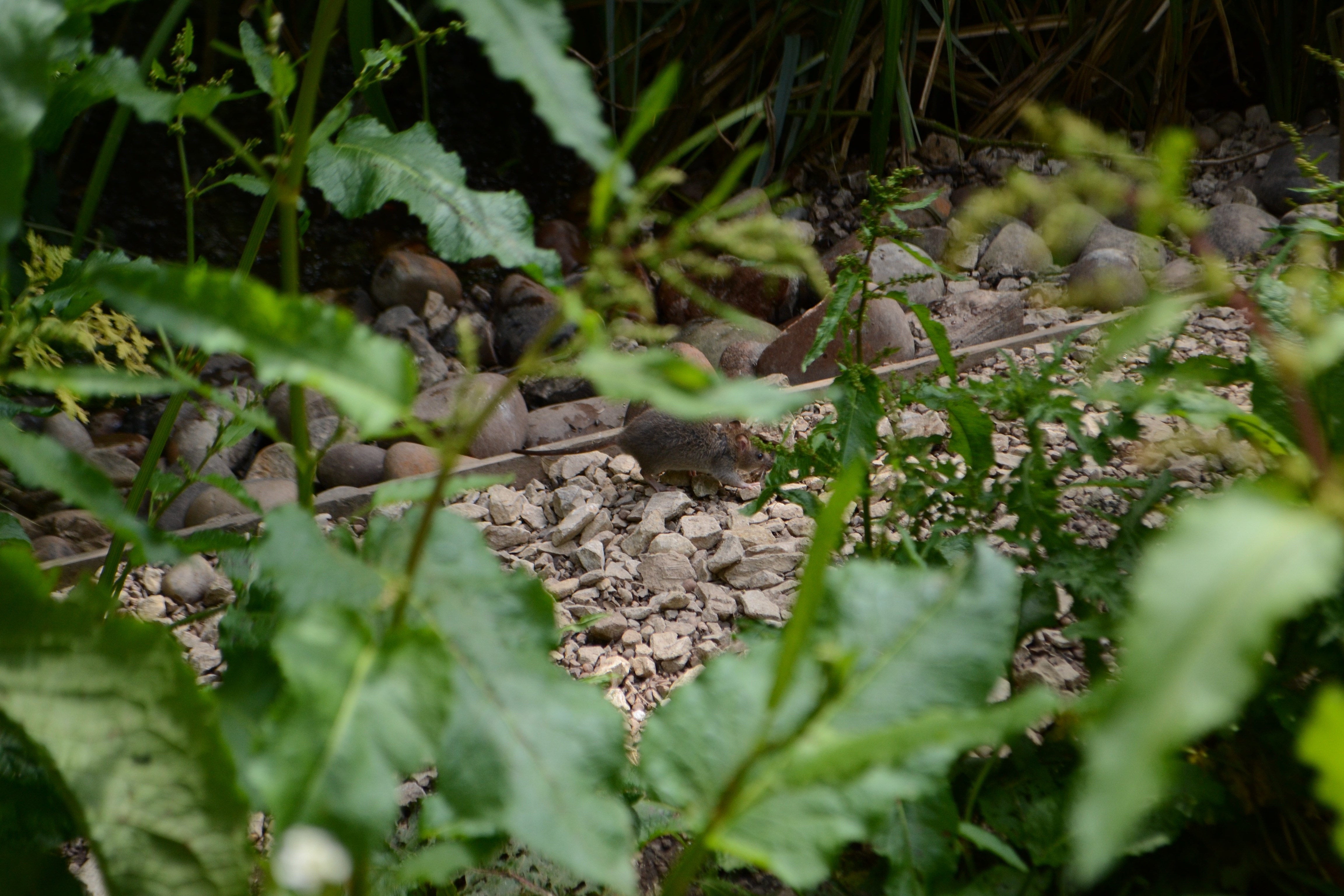
Can you spot the baby Rat?
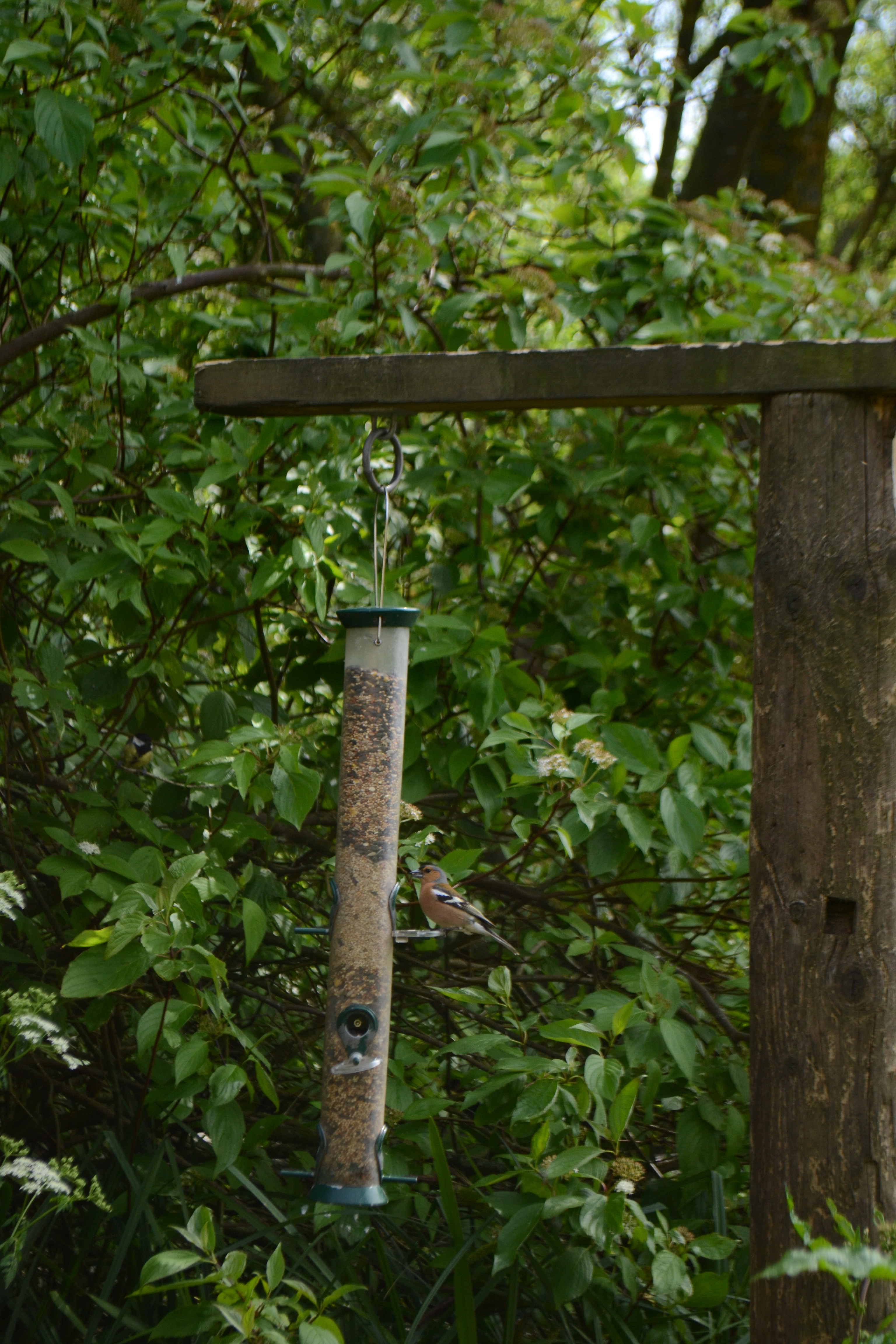
Gary’s first ever Chaffinch – to his knowledge 😛
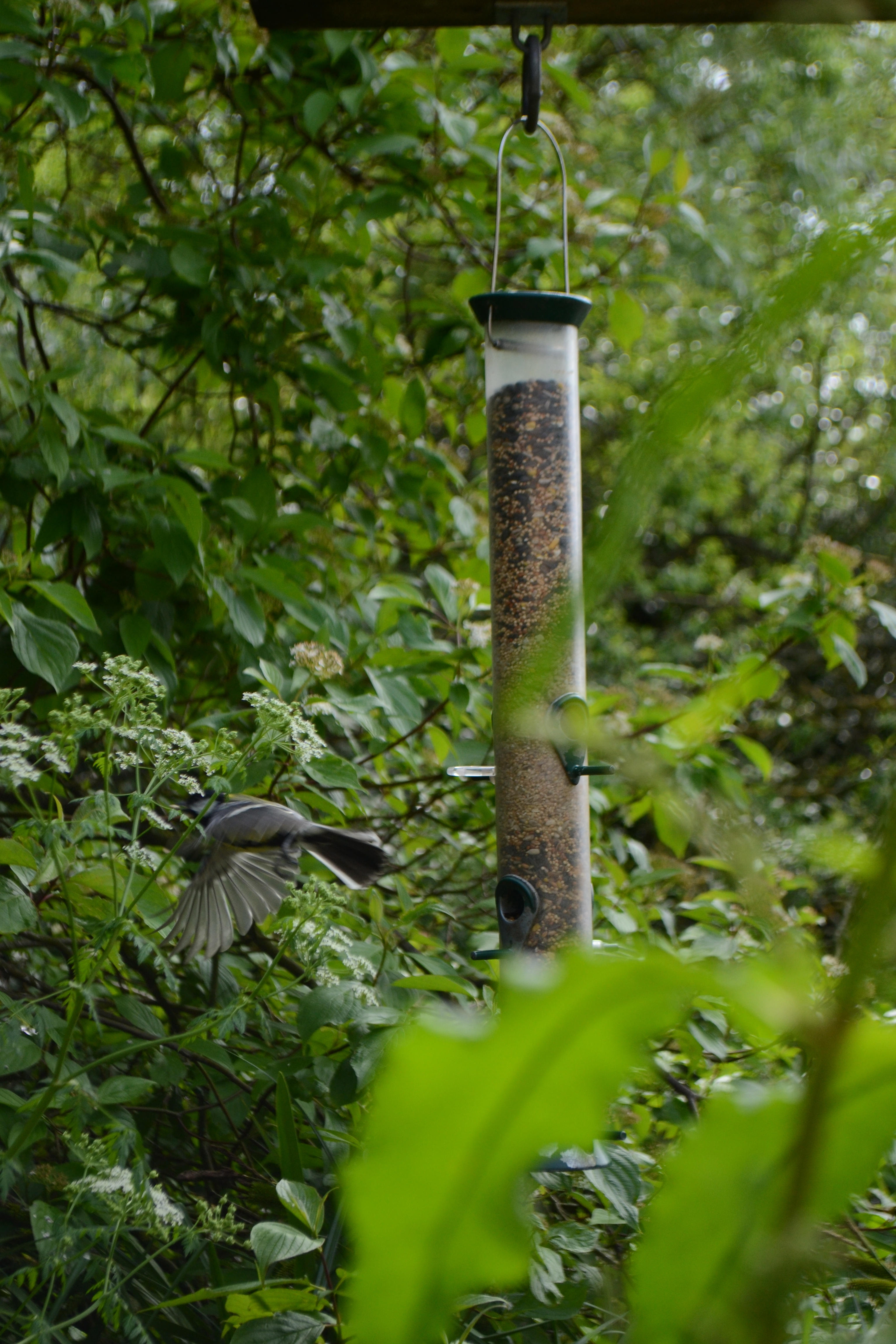
One of my favourites of Gary’s snaps, a Great Tit in flight.
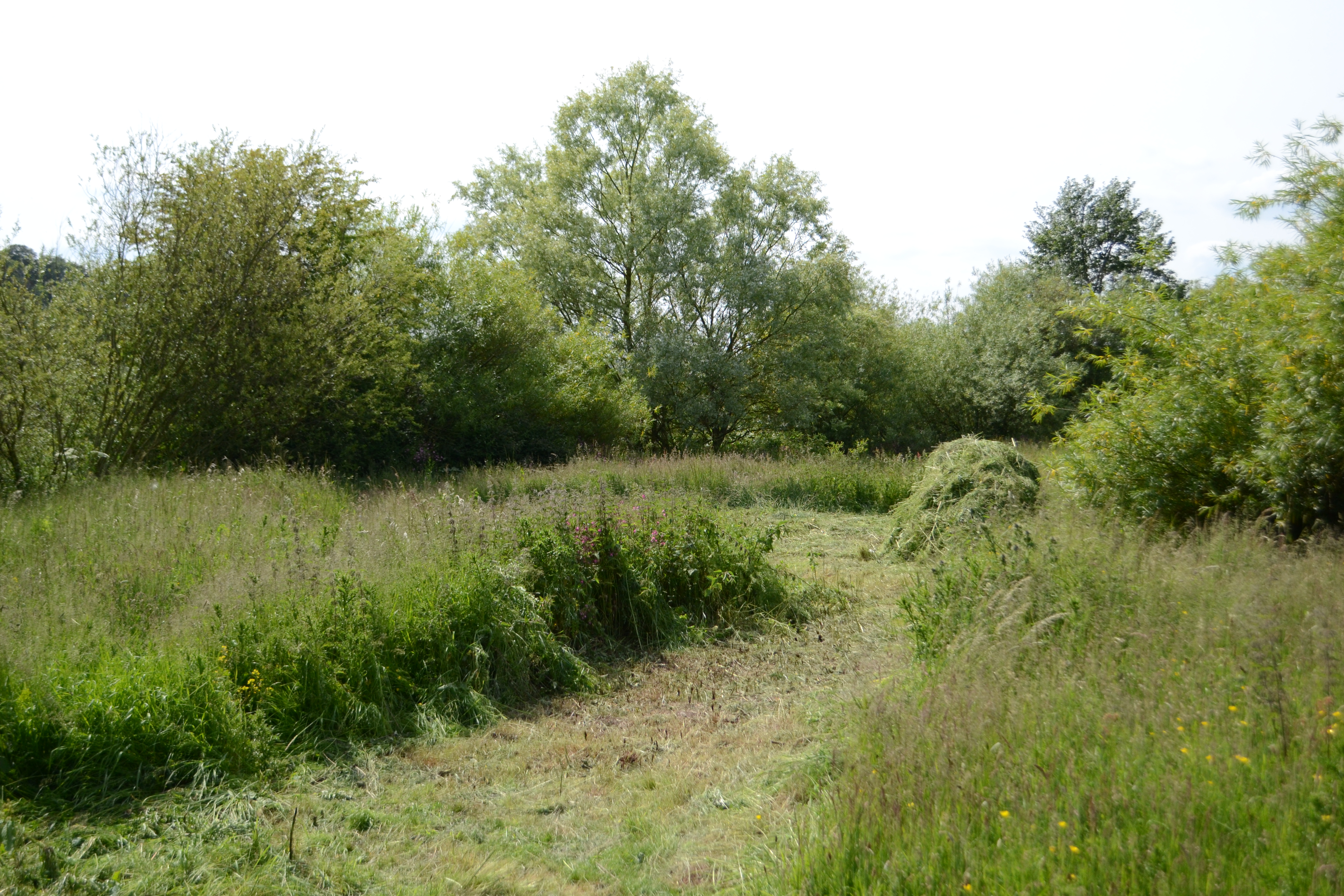
Some grassland management (I have the camera now)
We were watching a male Blackcap.
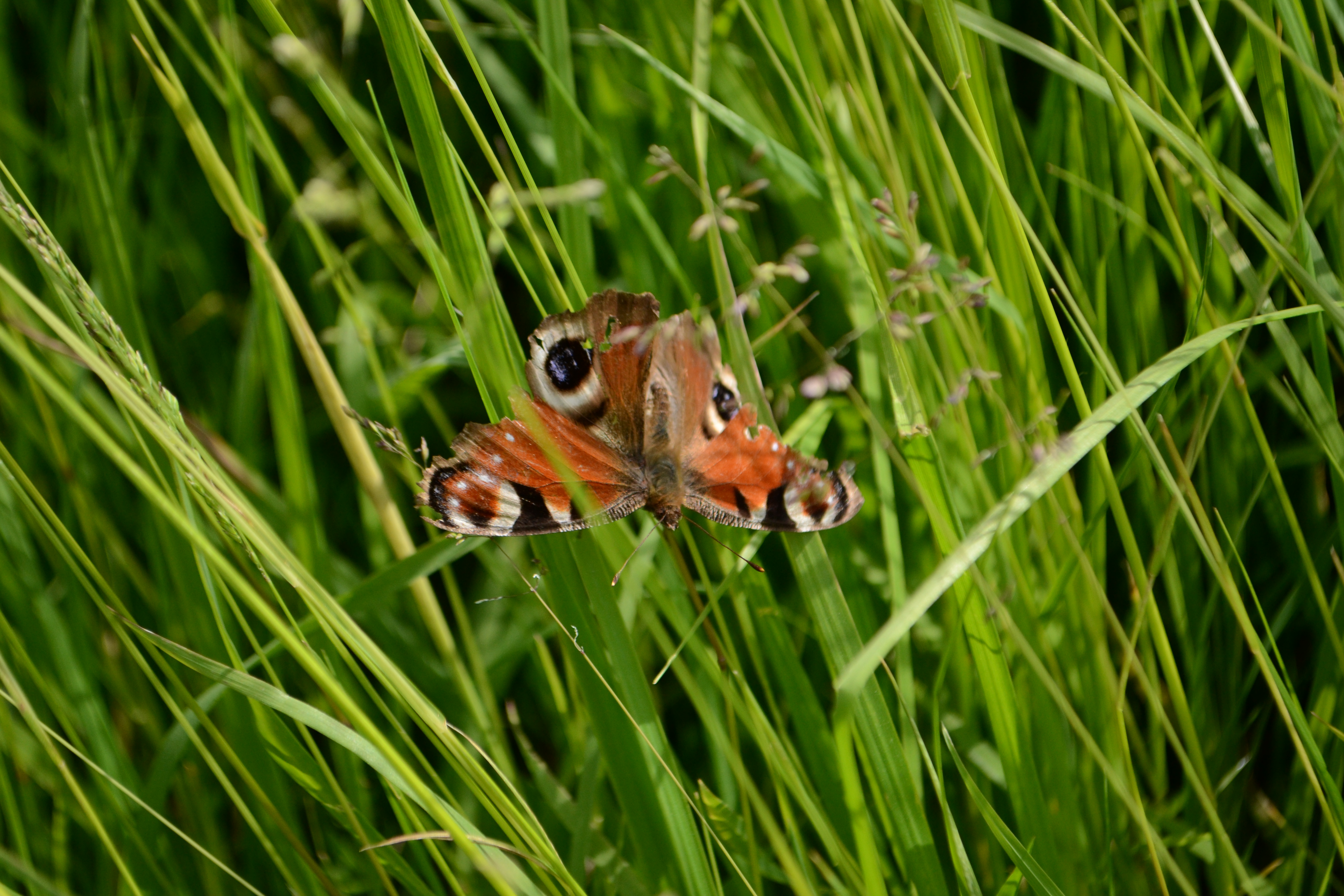
A disheveled Peacock Butterfly (by me)
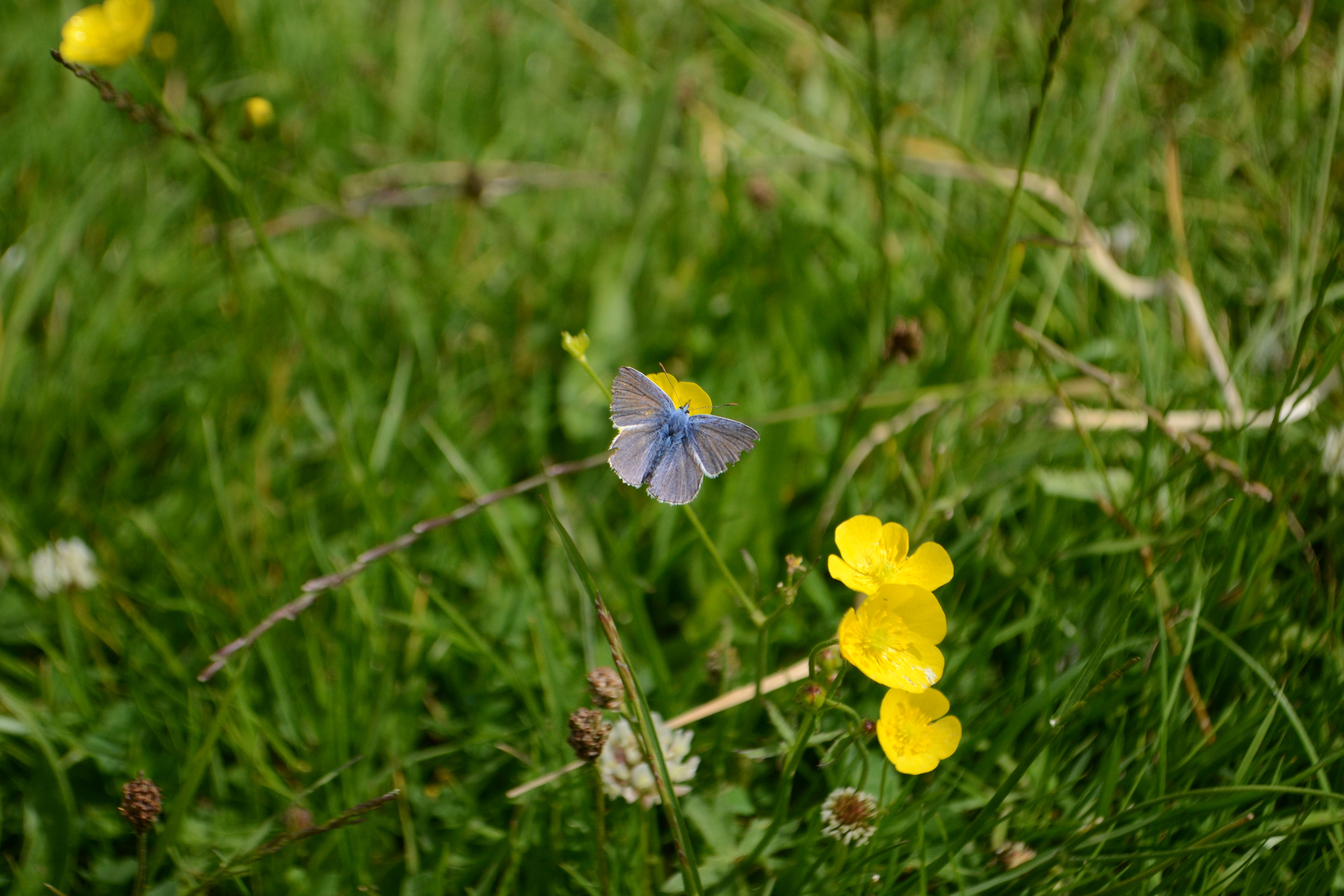
A Common Blue Butterfly (Gary has his camera back)
But who took this one?!
Willow seeds settled on the pond.
Giant Leaves, Giant Snail!
A Terrapin?! I was surprised to see this. Taken by Gary with a lens kindly lent by a very friendly chap from Stoke (walking past)
St. John’s Wort.
A stunning sculpture – very talented work!
There’s still a little bit more for us to explore, looking forward to the next visit! 😀









You must be logged in to post a comment.