I had work today at 7AM and finished around 2.30PM. Due to that and wanting to blog about what I’d do today, I needed something easy for my Act of Wildness. So of course, I was very pleased that I changed my usual route to work (as I needed to grab breakfast), because I ended up walking passed the Mini-Meadows in the video below!
I ran back after realising what I had saw! And then stood there watching a couple of bees (unsure which ones now) buzzing about the various flowers for a minute – whilst listening to a Blackcap singing in the background! 😃 When I got phone out to film, the bees had flown off, naturally! They must have been camera-shy 🐝 Unfortunately the sound didn’t record (I have a new phone and have sorted out the problem now), but luckily YouTube have provided a lovely soundtrack.
This month I’ve decided to focus on some wildlife that takes a backseat, and is often overlooked – Reptiles and Amphibians! 🐍 🐸
ARG UK have teamed up with Amphibian and Reptile Conservation; to bring us a Record Pool of our water loving and sun loving friends! In the video below I interview Underwater Cameraman, Jack Perks – to give us some tips and the lowdown on this nationwide survey.
I had a realisation recently, regarding the invertebrates I blogged about back in June… I’ll bee honest 😉 I didn’t think about what the Ruby-tailed Wasp may have been up to, but I was reminded in the September Issue of BBC Wildlife magazine – that they’re a kind of Cuckoo! This jewel-like wasp, happened to be close to where the Mason Wasp was coming and going from!
I only have this poor photo of these amazing Apocrita:
These weeny wasps (with metallic blue/turquoise tops and ruby red bottoms) lay their eggs in the nests of other Solitary Wasps, like the Mason Wasp!
When lava of the Ruby-tailed Wasp hatches, it eats the egg or grub of the host’s nest – which makes these sort of Wasps parasitoid (because they don’t live inside the host, they kill them instead). September’s issue of BBC Wildlife also features “7 WAYS TO SAVE SOLITARY BEES”.
If you saw my last entry in June, then you know I spent a week in the amazing Lake District! This post is for the last 4 days of 30 Days Wild/June. For those who don’t know – I stayed in a place called Little Langdale with 4 of my friends, who are some of the best people and I’m truly thankful for knowing them 😀 I’m sharing with you iPhone pictures of my wild-and-natural highlights.
Day 27
We looked and ambled around one of our nearest towns, Ambleside – before heading to our home for the week! It had all the shops we would need 🙂
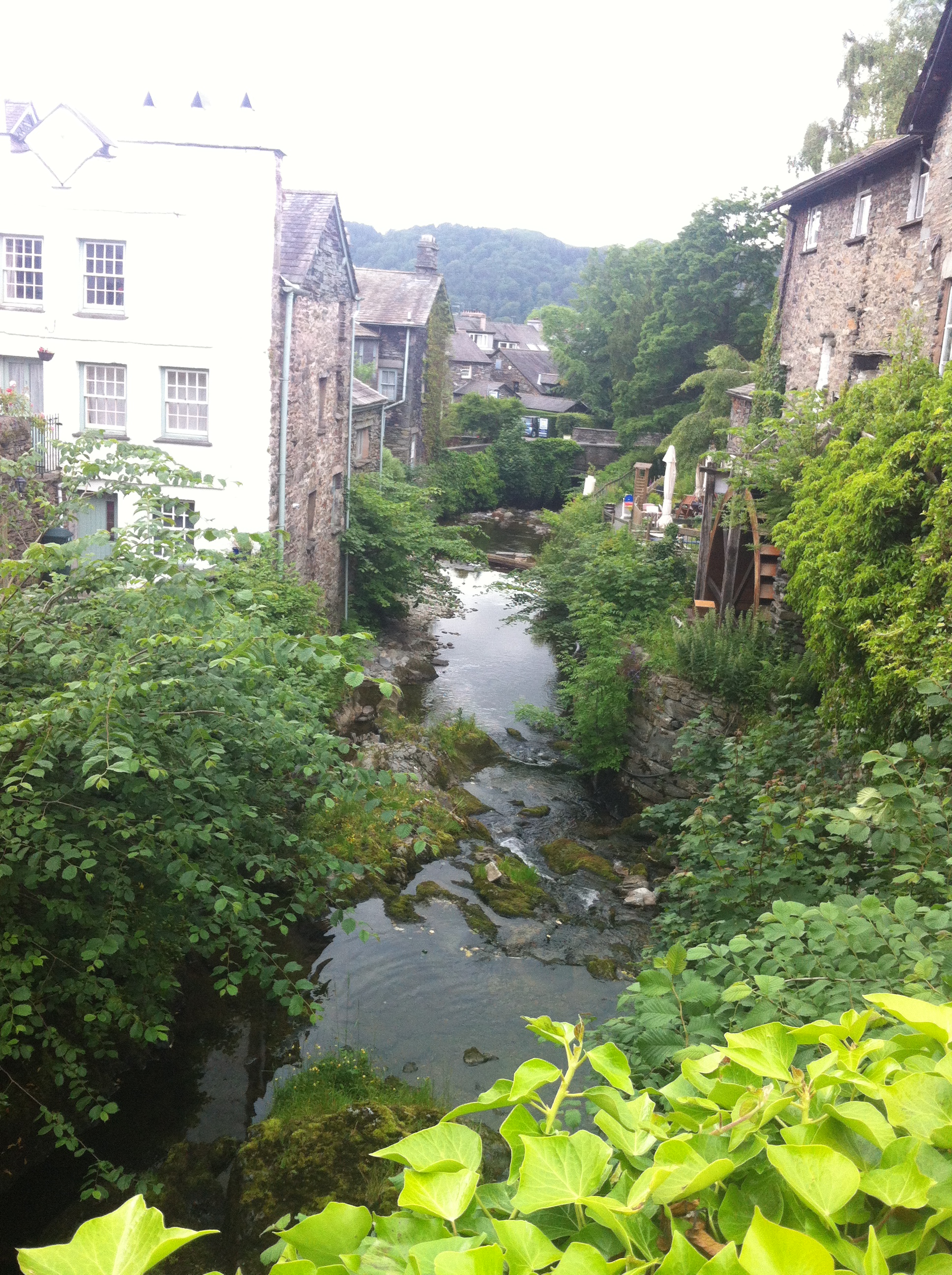
A lovely view from Ambleside’s recreation ground. Atmospheric clouds!
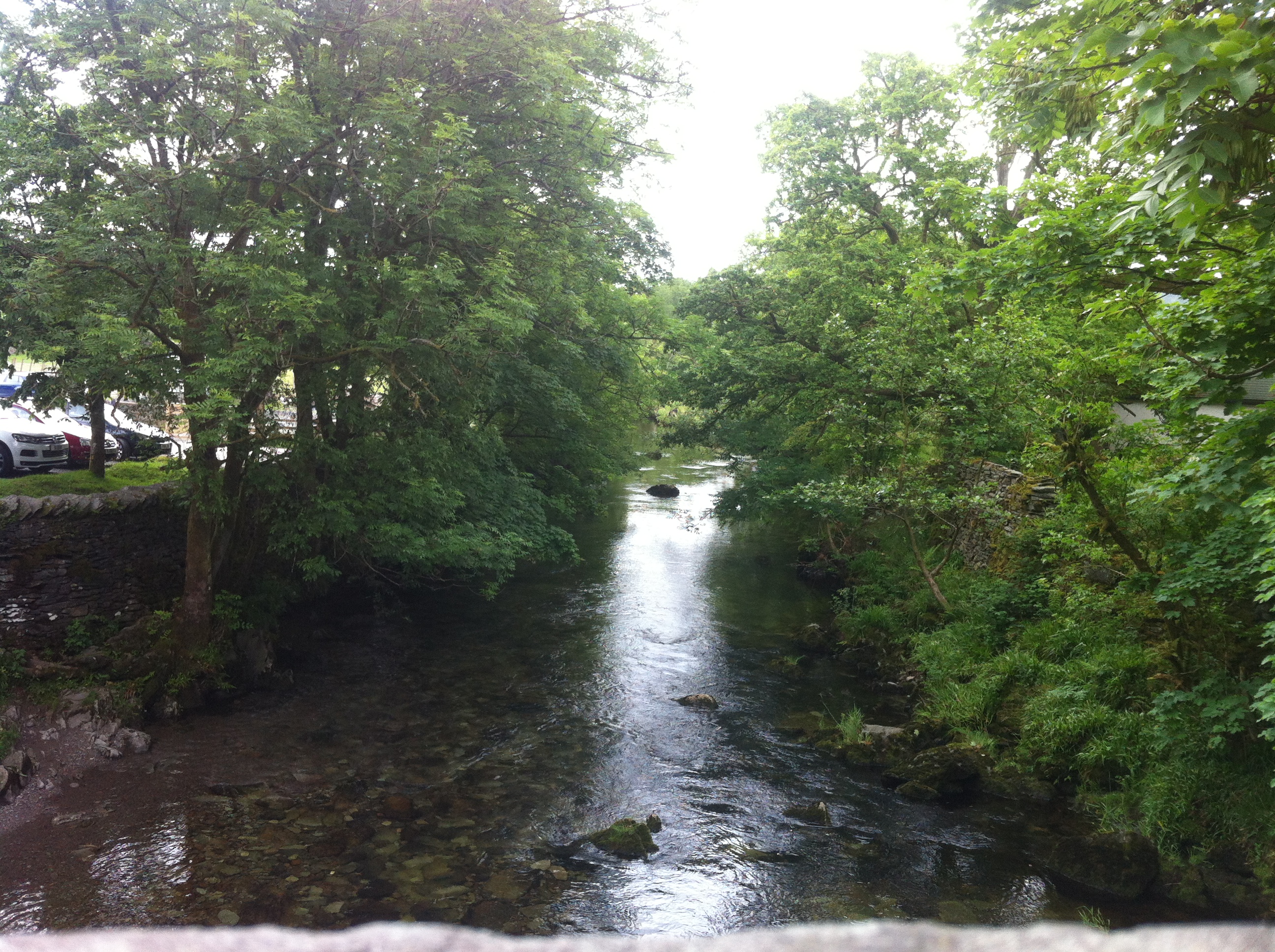
A few minutes before I took this photo, I saw my first ever Dipper down there! 😀 This is the River Rothay.
We had to walk up a pathway to get to our Little Langdale cottage, we had our very own tarn and everything! 😀
Taken a little way down the pathway, but it was just our wee garden & a field that separated us from Little Langdale Tarn (the lake) ❤
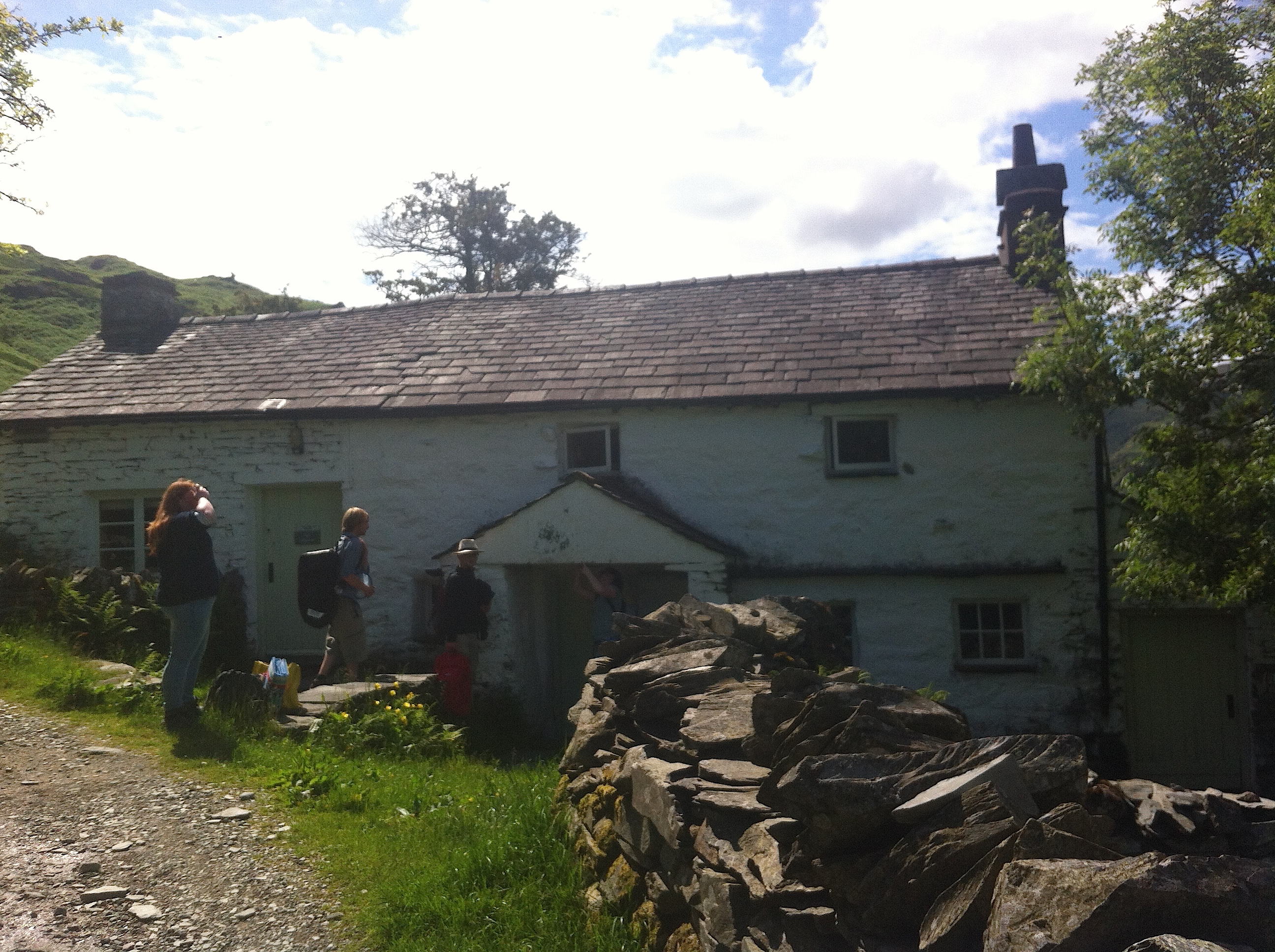
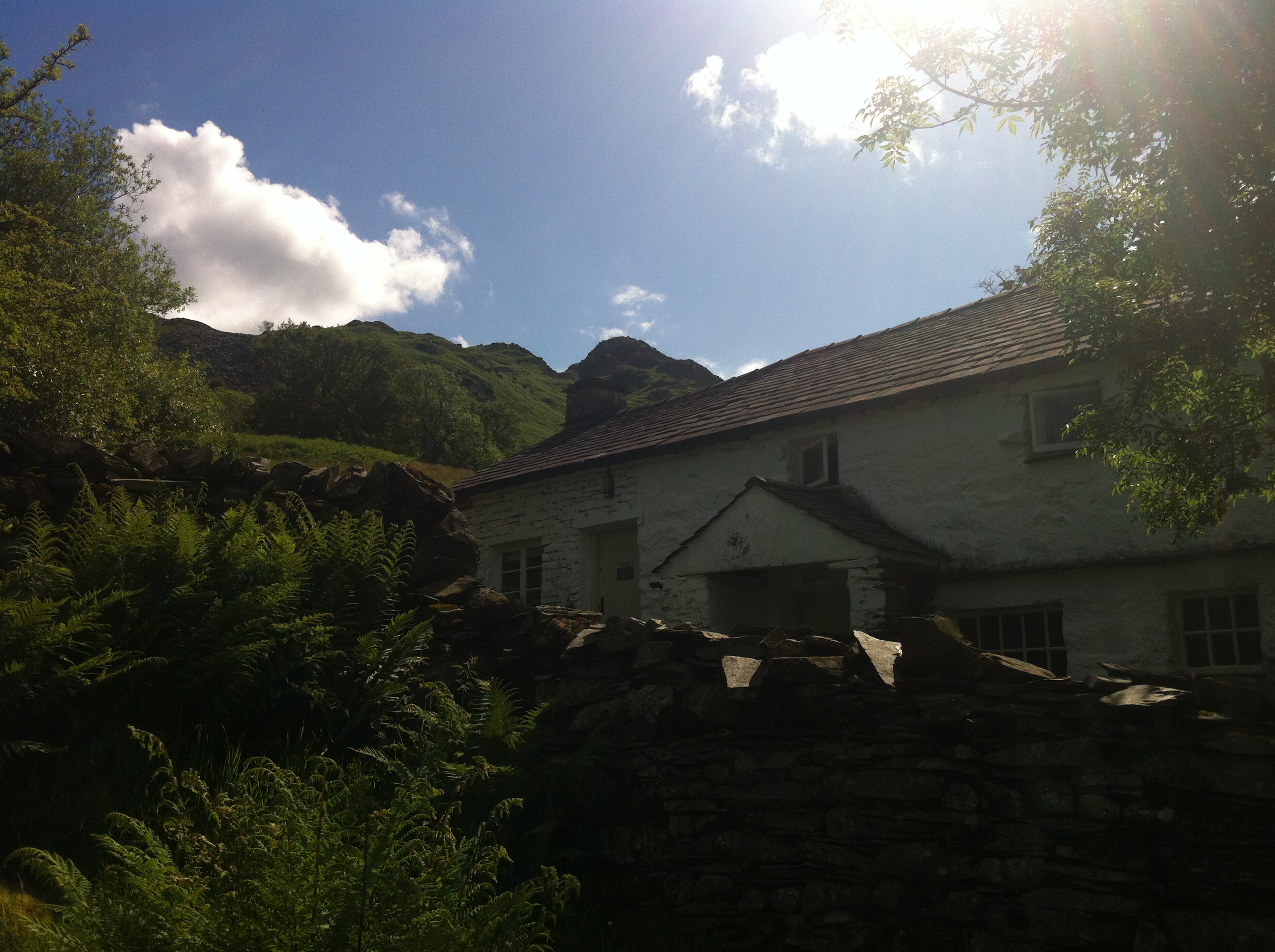
Mary, Scott, Nick, Charlotte & our cottage, High Hallgarth! ❤
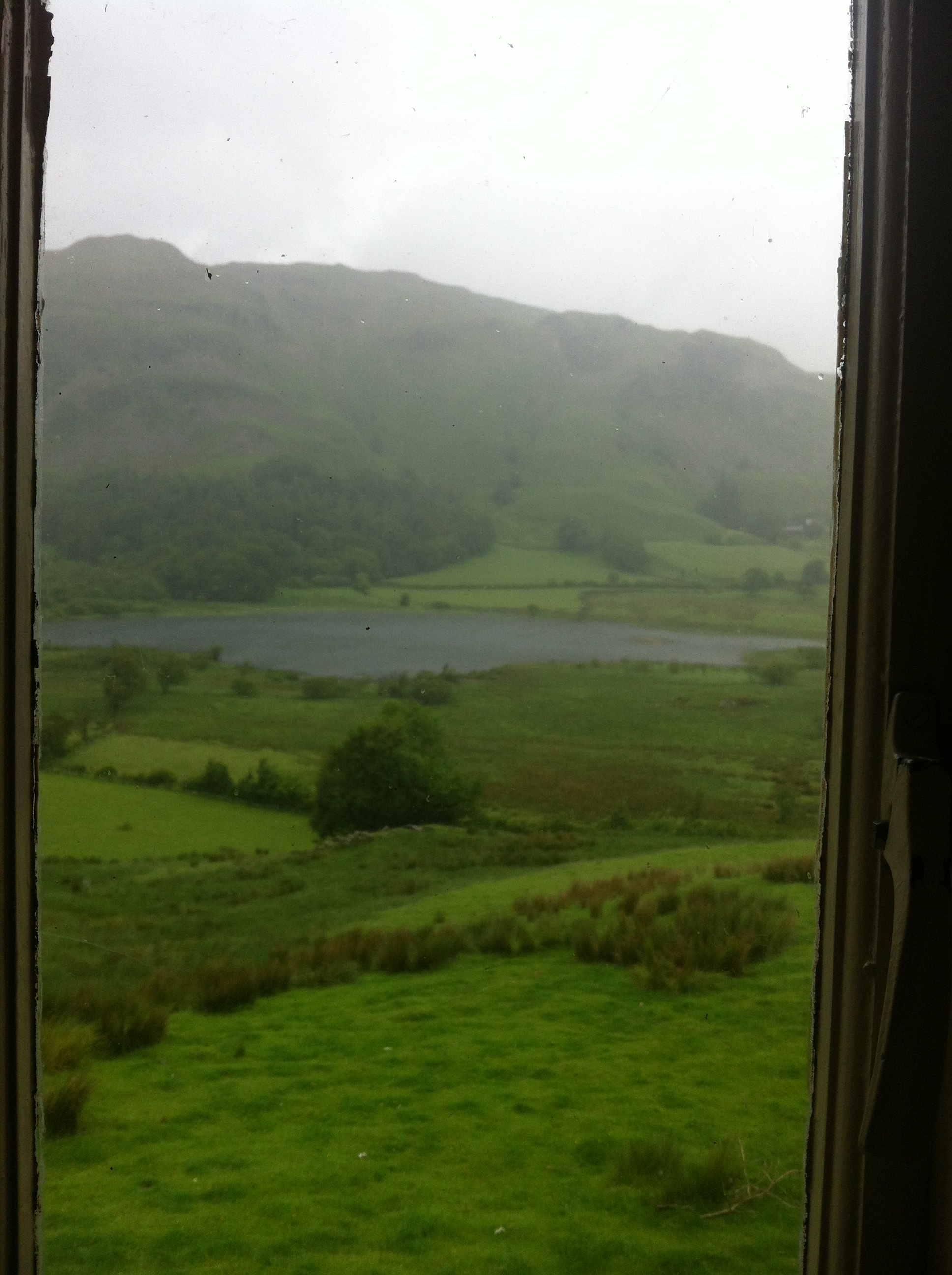
The view from my bedroom window for the week ❤
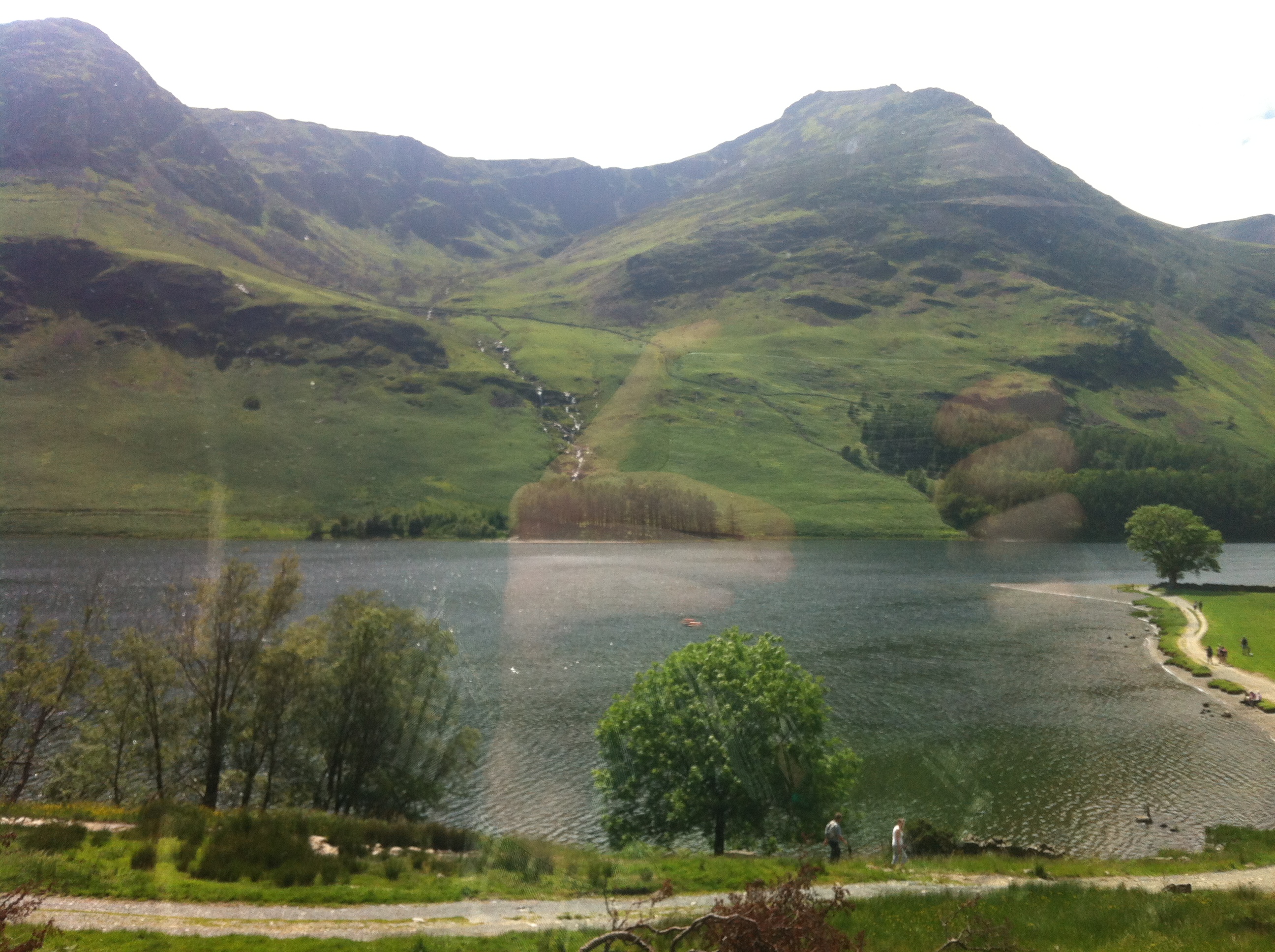
Taken from our garden area, we were surrounded by hills & mountains.
Day 28
We awoke to a downpour… Despite the rain we decided to explore and visit our tarn first! 🙂 Later we found out tarn meant something completely different to our friend Mary (the redheaded lass), in Barnsley it means town! 😛
Even with unpleasant weather, it is fantastic! I loved seeing our Tarn each day!
On the way over to our very local lake, we came across a variety of nature. My friend Scott (the blonde chap) is excellent at spotting small members of the animal kingdom, and allowing me time to document his finds! 🙂
Chimney Sweeper (Moth)
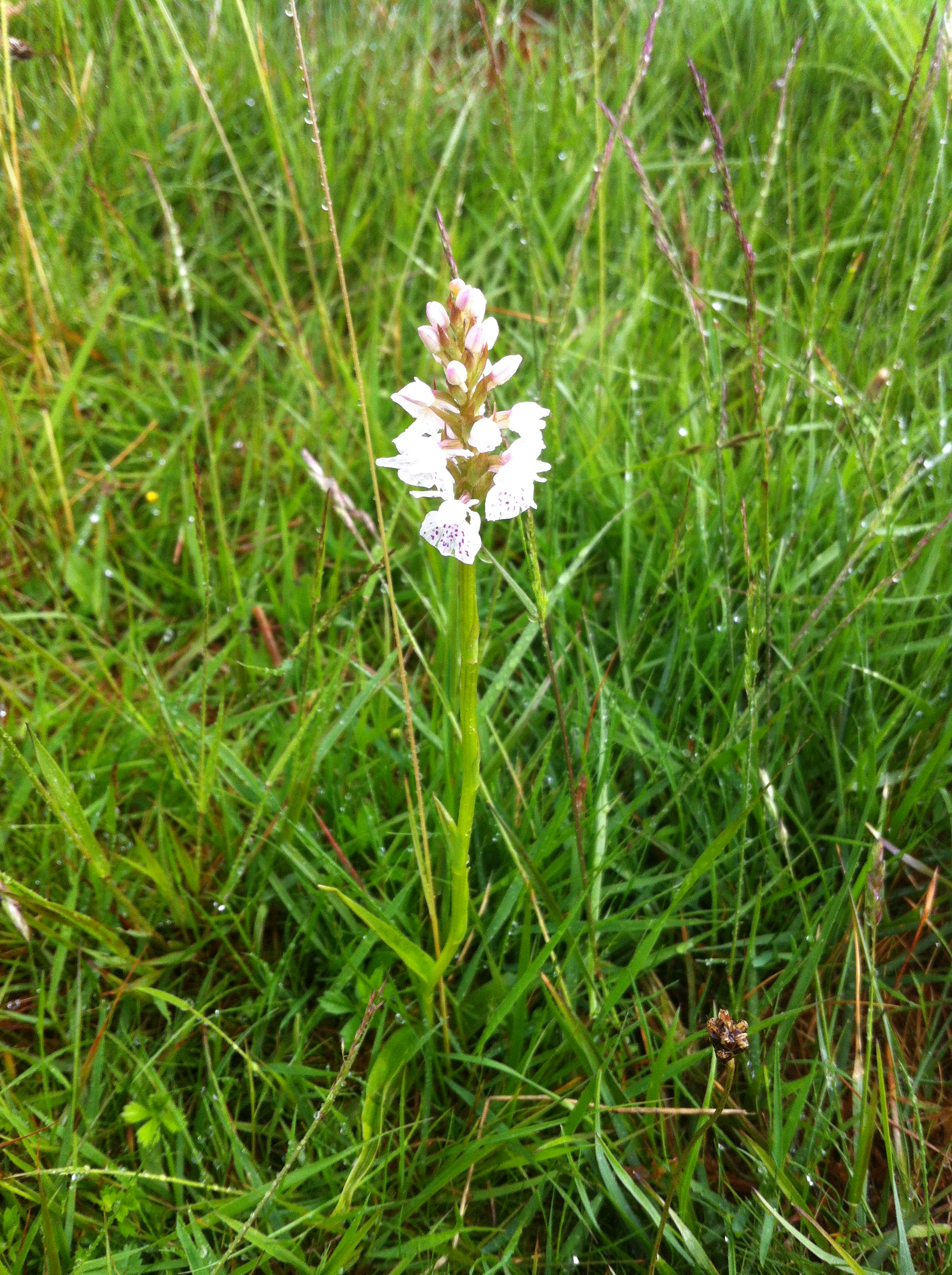
There’s only one Orchid in this picture, but they were everywhere we went, with some fields/meadows brimming with them! Like the field we passed through on our way to the tarn.
We didn’t quite expect to find our selves in boggy conditions, and couldn’t make it down to the Little Langdale Tarn! So we decided to change course, move away from the tarn and get our exploration of Little Langdale underway!
We passed through this wood. Charlotte & Scott leading the way 🙂
We were getting closer to a known part of Little Langdale, Slater’s Bridge! Which relatively, is a short walk from High Hallgarth.
A Common Toad – which was on the path just before the bridge! 🙂
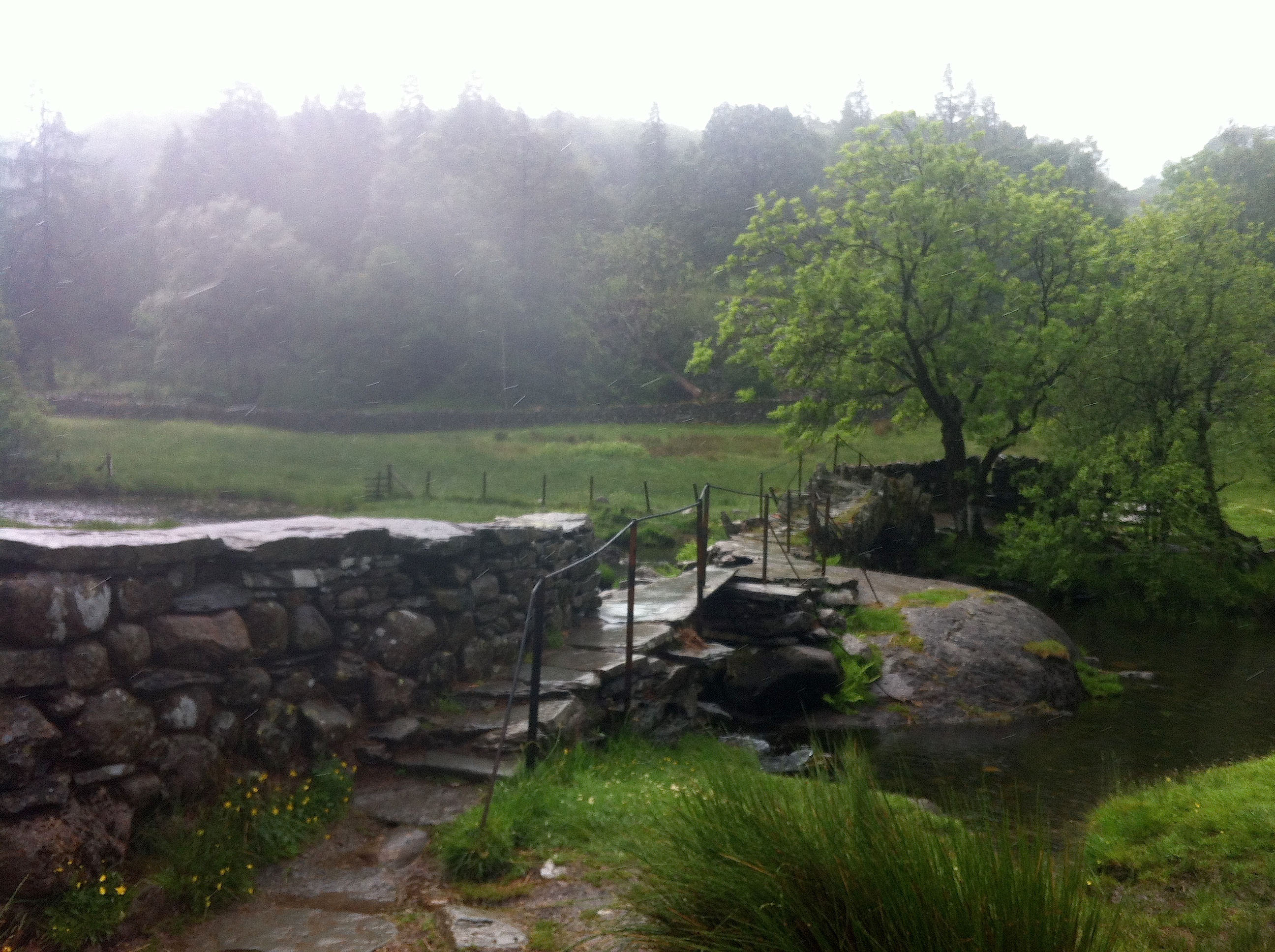
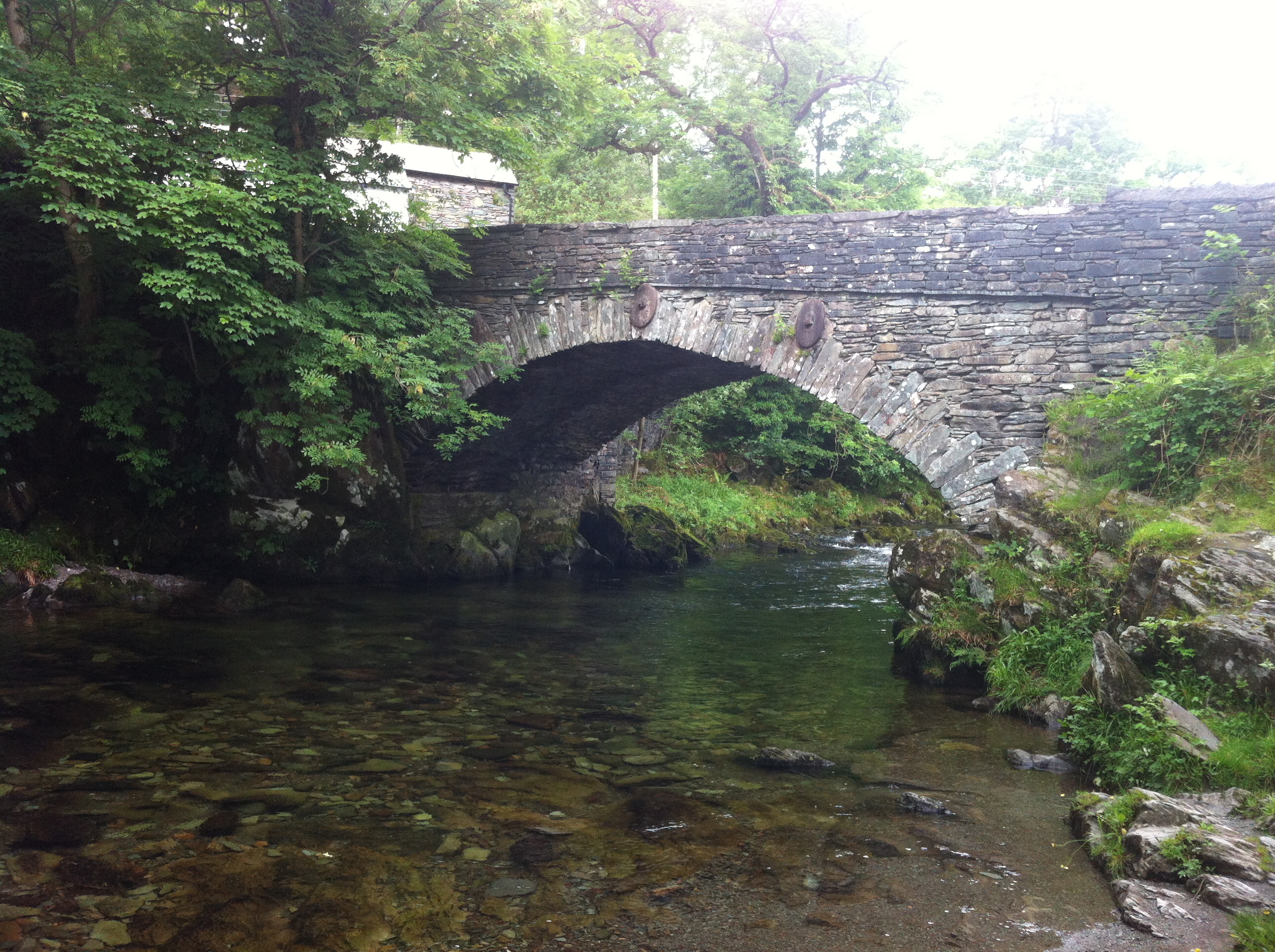
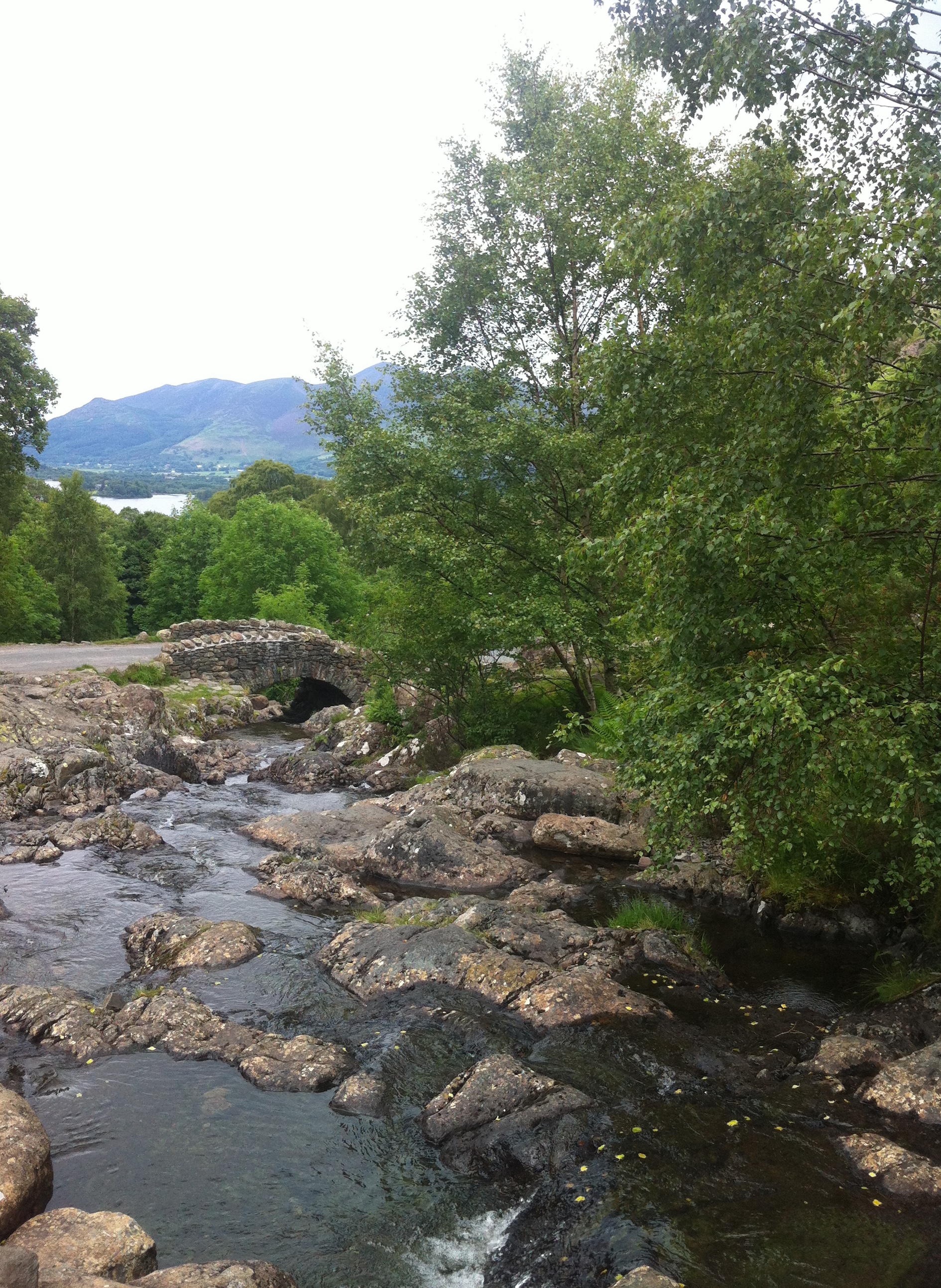
We passed over Slater’s Bridge.
Taken looking back at Slater’s Bridge.
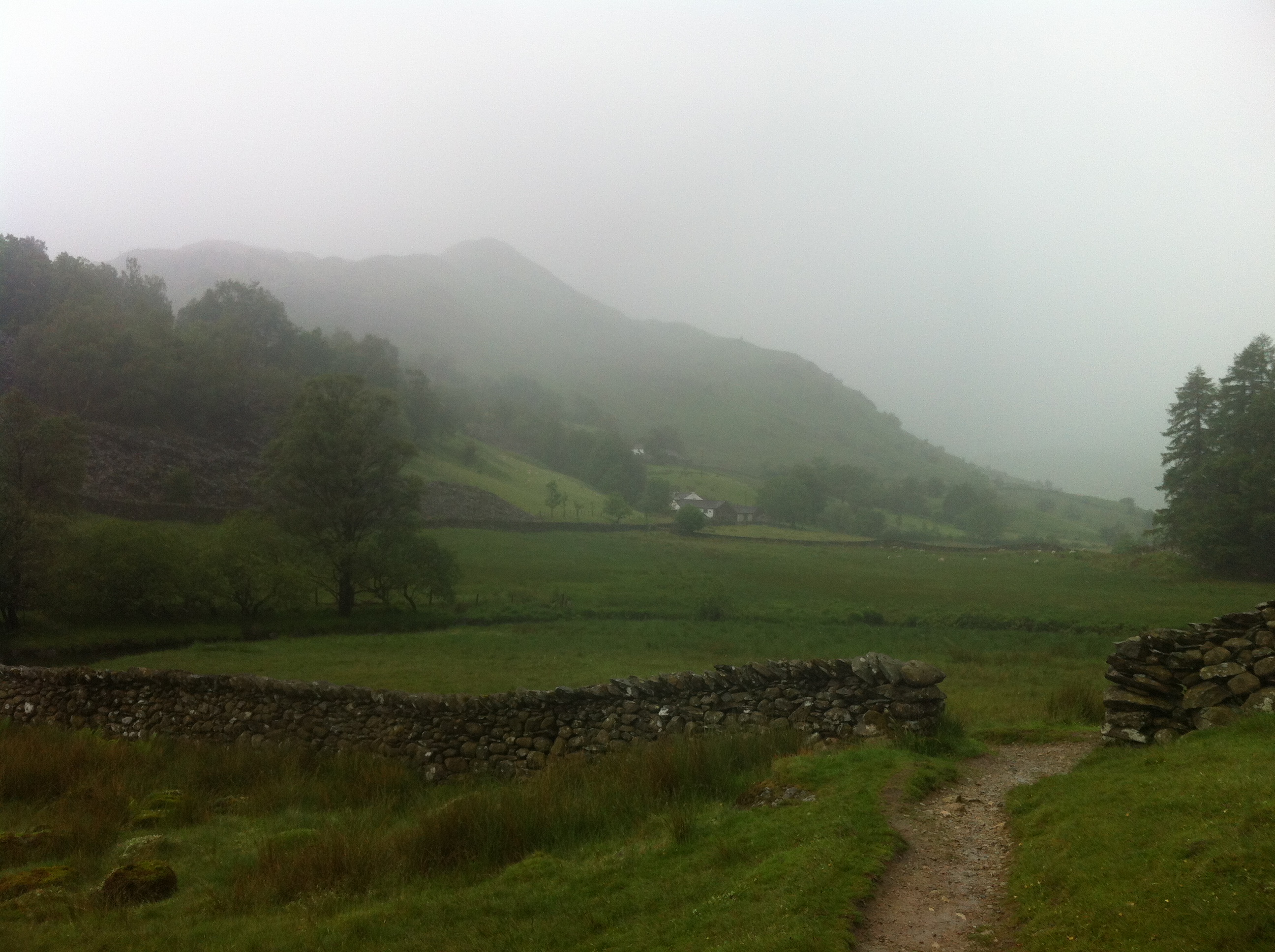
High Hallgarth is the small white spec above the cottage you can just make out.
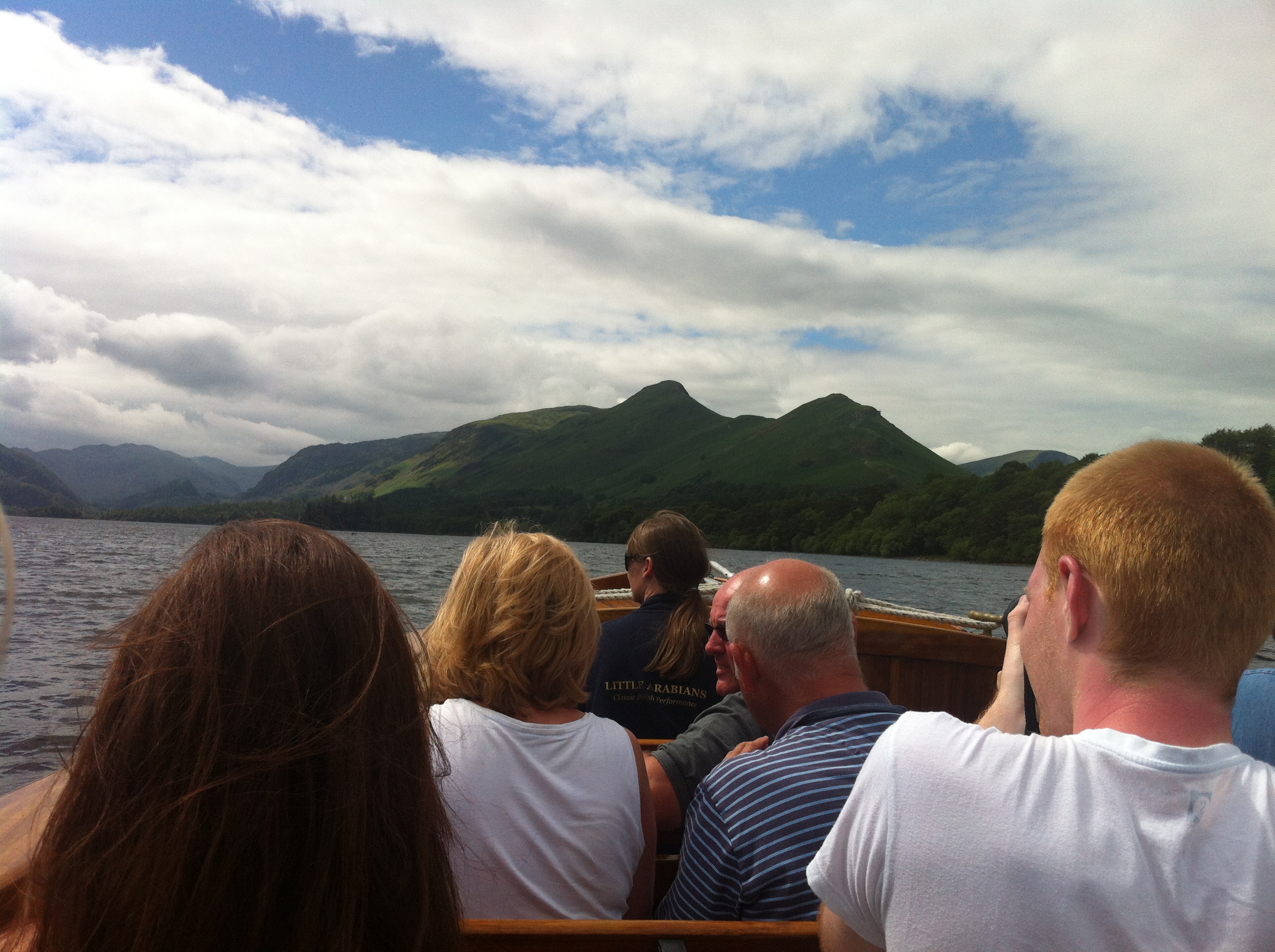
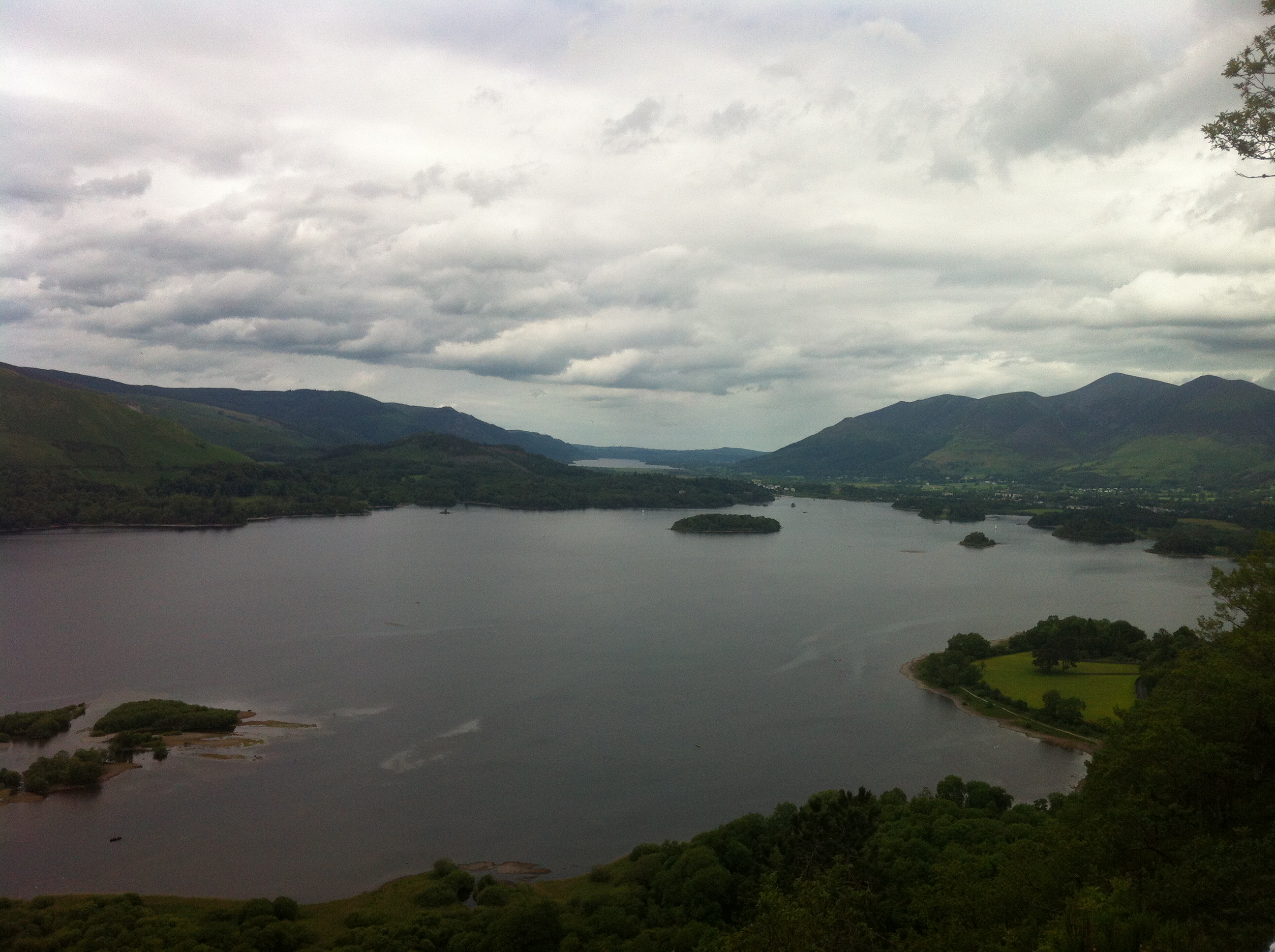
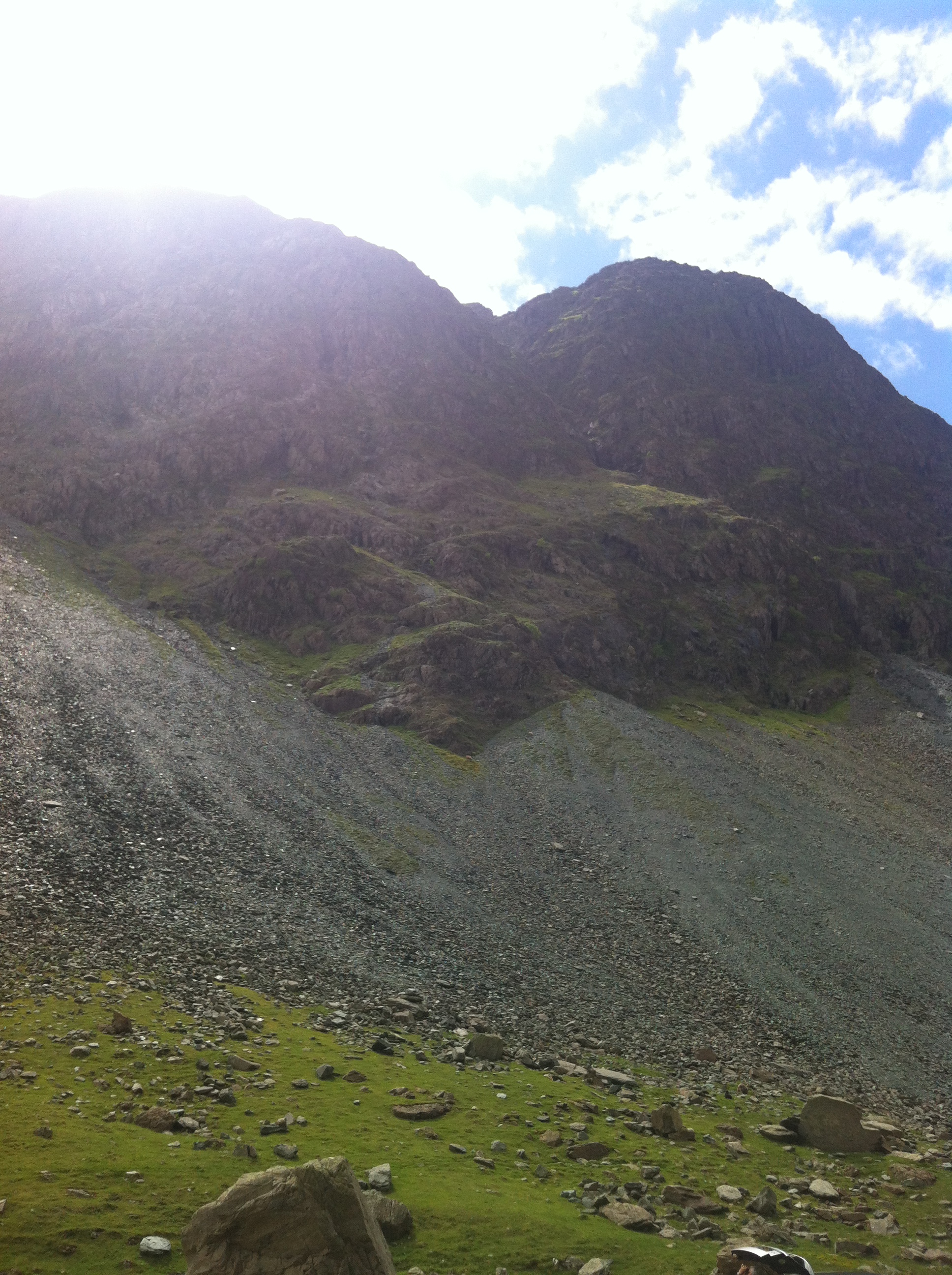
The last day of 30 Days Wild! We went on a Ten Lakes Spectacular Tour! My highlights/things I managed to take pictures of:
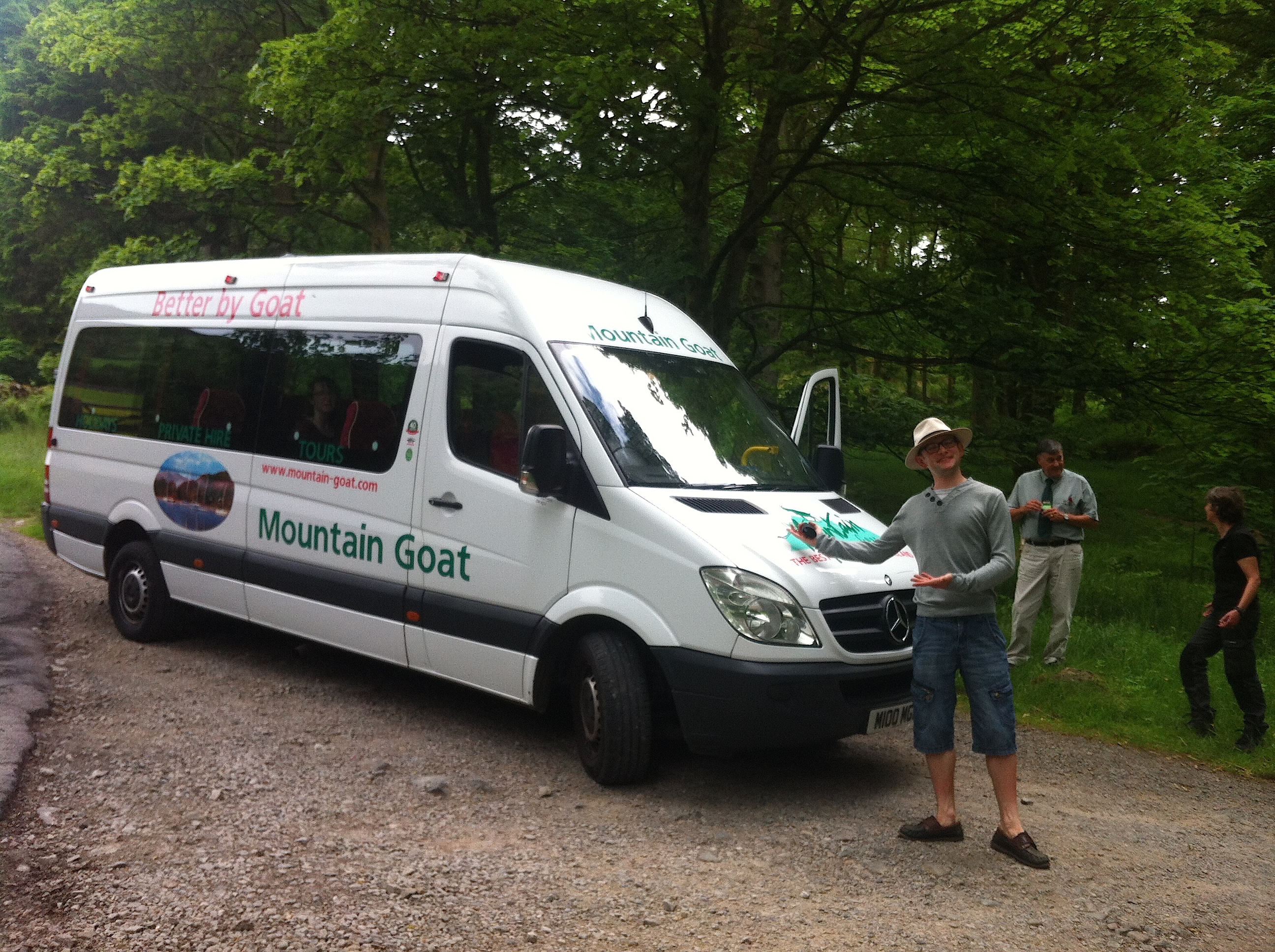
The tour bus! Kindly modelled by Nick 🙂 Behind Nick is Chris, our jovial Mancunian tour guide and his assistant for the day, Tess. (By the way, that’s not a ghost in the window, that’s a patiently waiting Charlotte) 😉
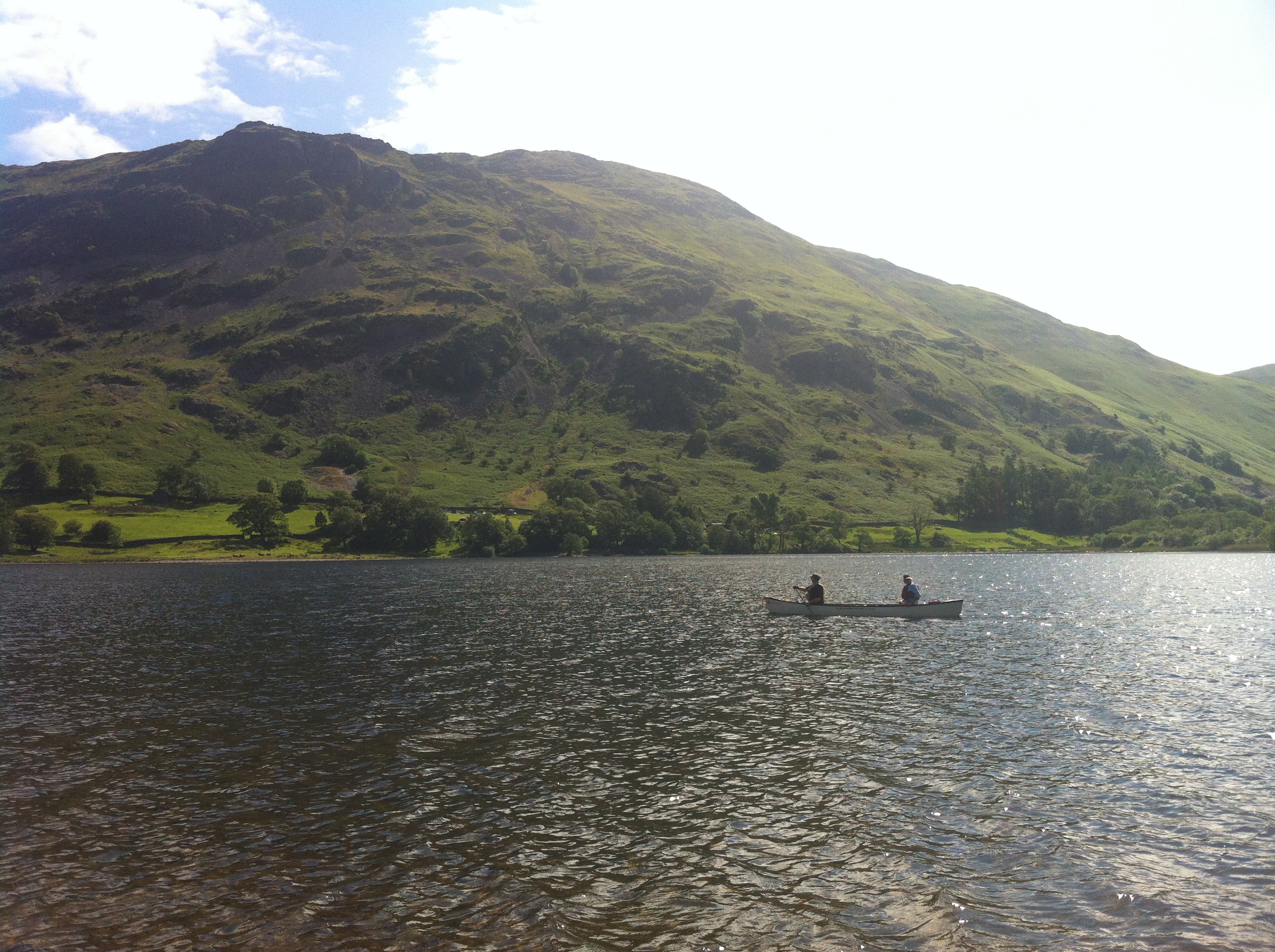
It felt almost as if I was in a scene of a film, Jurassic Park for example 😉
Derwentwater is near Keswick. It was funny feeling like I was in a film and then disembarking to a recently arrived Film Crew! They were setting up for a remake of Swallows and Amazons, I hear it’s a BBC Films production.
I’m going to the Lake District on Saturday (Day 27) for a week. I shall be staying in a National Trust Cottage in Little Longdale near Coniston 🙂 So I made sure I was all organised for my trip to Cumbria! I’m pleased I will be spending the last few days of 30 Days Wild in a stunning part of the UK!
All packed for my trip to The Lakes!
Day 26 – “Save a life”
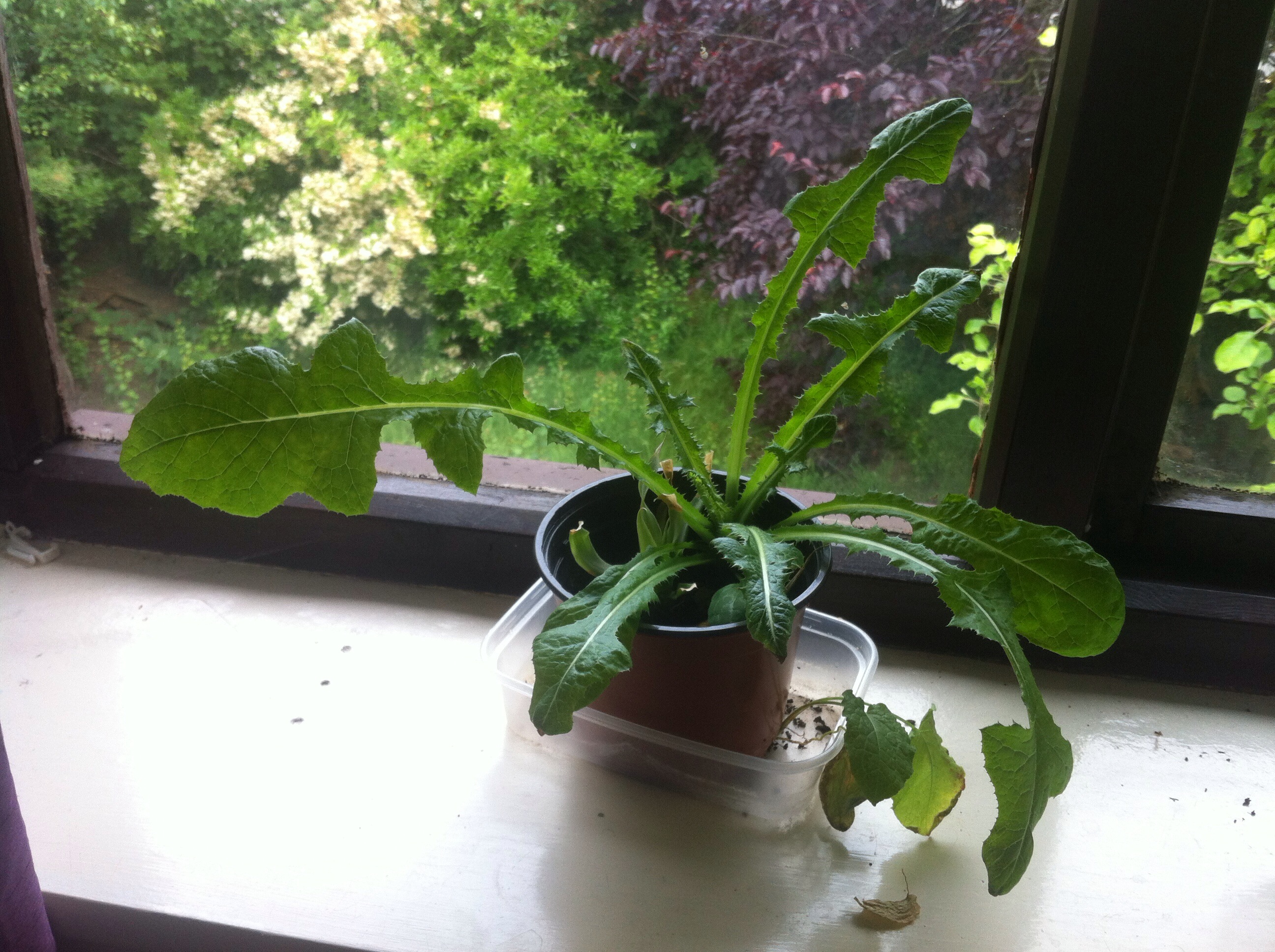
I’ve allowed what I believe to be a Thistle (and a wee Doc plant) grow in my plant pot; which also contains a baby Pineapple plant (the original inhabitant) on my windowsill at my house-share. I shall consider this as saving a life 😉
I chose the mystery location for yesterdays’ video, because I grew up a short walk away from it and was inspired by an episode of Countryfile where Anita Rani showcases rural Bradford 😛 Incase you’ve not seen the video, I’ll not ruin the ‘surprise’ with naming it. It’s where I cut my teeth as a child and naturalist, so to speak and over the years I’ve seen loads of wildlife there, a few firsts, which includes the time I saw my first Weasel as a child! Yesterday my friend Gary and I observed a Kestrel and Jay up there.
In the second shot of the intro to my video, I’m on the top of Rubery Hill/Cock Hill, with the Frankley countryside and suburb in the background, there are more great views from up there; the Lickey Hills, Rubery and Bromsgrove in the distance – plus the country park I reveal in my video 😉
When we were filming near Frankley Beeches wood, we heard and saw a beautiful male Yellowhammer – it’s the second time I’ve seen one in Frankley, (I’ve mainly distantly heard their song now and again) so I decided to record and feature this Yellowhammers’ song as the soundtrack for the video. We could also hear the beautiful song of the Skylark in the distance, down near Lower Hill Farm. On New Street, near the Greenbelt just before Frankley Hill Lane (which leads up to the Frankley Beeches Wood) I saw a partly Leucistic male Blackbird collecting worms, I almost mistook it for a Ring Ouzel!
A nice easy one today 🙂 I spent most of my day with my friend Laura at her Pet Store. I’ve mentioned the shops’ unkempt Wildlife Garden in a previous Blog post, it’s where I took todays’ “something blue”.
The modest Forget-me-not.
I’ve heard Forget-me-nots being described as “a British staple” – they do seem quintessentially British 😉
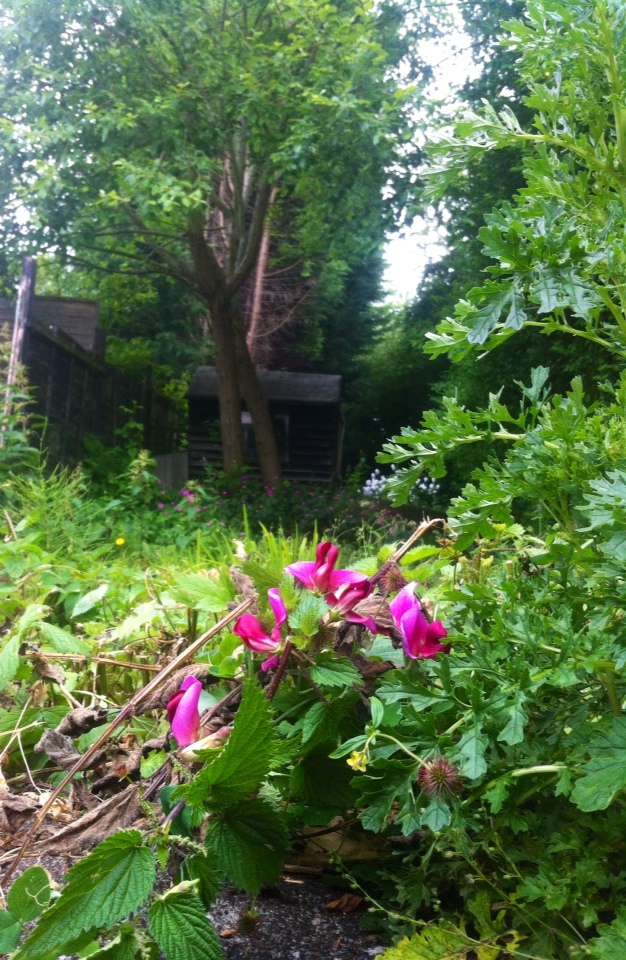
The Sweet Peas are doing well in the CavyNoodle Wildlife Garden.
Longbridge, in South Birmingham – the birth place and former home of Rover – has a new High Street and Green Space! It’s on the site of where the said factory used to be. The River Rea that runs through the area has had a habitat and Green Space created around it, and it’s pretty much established and looking lush now! 😀
Today I explored it after purchasing Father’s Day gifts (with my trusty mobile to hand for snaps and clips).
The car park of the newly located Bournville College, with Green Space along side it, some of the old Rover site on the other side.
People and nature co-existing beautifully.
I saw a Grey Wagtail (which have some yellow feathers) down there to left of where the lad on the bike was. The video below isn’t great but you can hear it calling 😛
The middle of the new Green Space, looking towards the chap on the bike. This is the bridge you see in the distance.
Where this newly created habitat ends.
I was really pleased that this new place is now a good feeding area for House Martins, there were quite a few wizzing and swooping around 🙂
#30DaysWIldToday I was sorting out the blog for yesterdays Random Act of Wildness – “Admire the setting Sun”, it was raining and I had work later. I wasn’t really left with many options, due to the constraints (time and weather). So, I chose to read a non-fiction book on the bus to work (wildlife related of course).
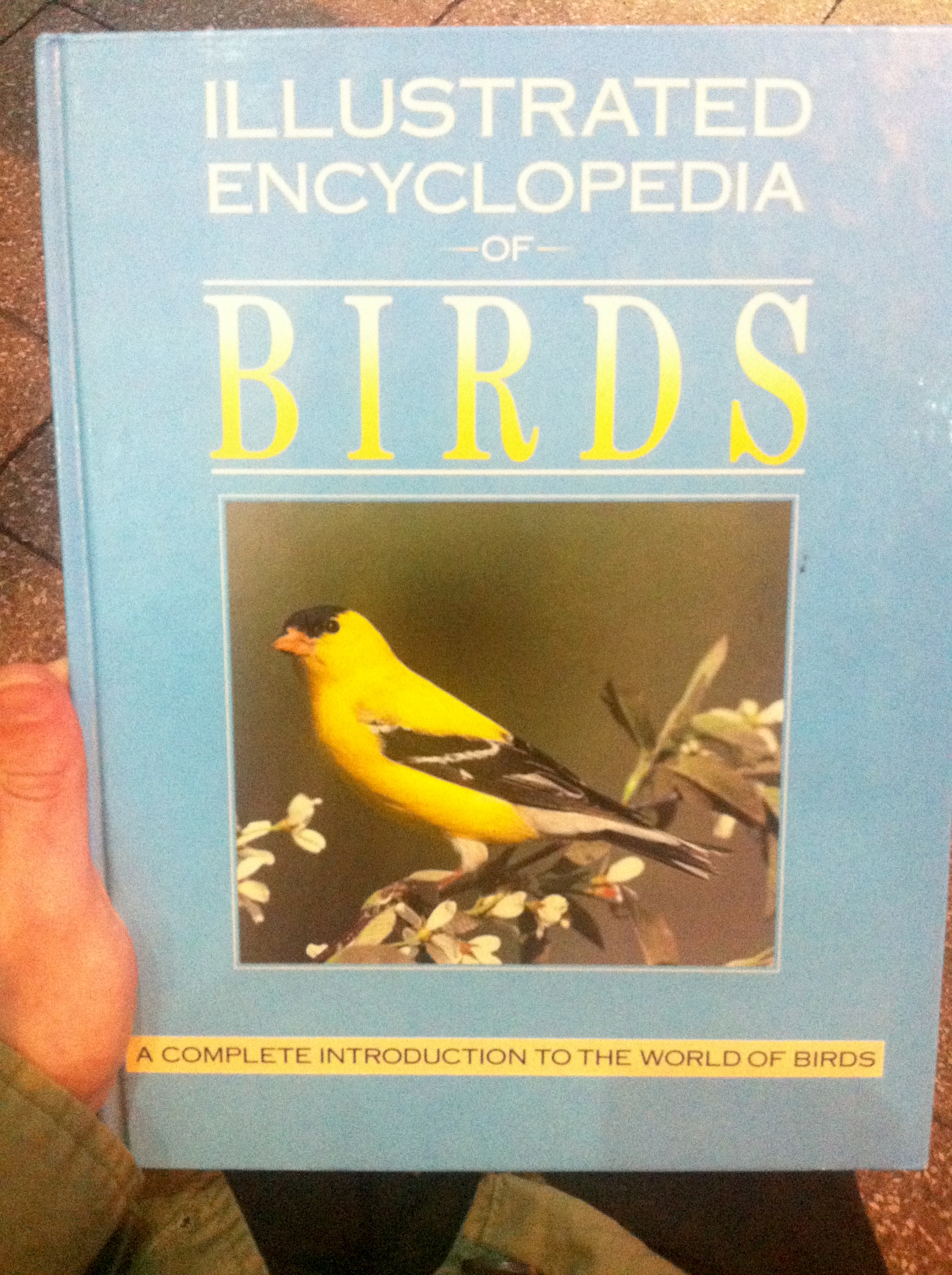
Refreshing my knowledge and filling in any gaps. The bird on the front of the book is an American Goldfinch, it’s just a funky Siskin to us Brits 😛 I really like the first two paragraphs in the introduction for Section One of the book, so I’ve quoted them below:
Birds are not only one of the most successful groups in the animal kingdom but they hold a special position in our awareness of the natural world. They are often the most obvious living creatures in a landscape (their apparent confidence borne of an ability to fly to safety) and their bright colours and melodic songs have long been admired by man. Yet it is only recently that we have begun to fully appreciate just how intricate their lives are.
The 8000 or so species of birds have evolved over millions of years and have adapted to many different modes of life. If one was to take a single feature which places the birds apart from all other animals it would be the development of feathers. These complex and delicate structures not only make flight possible but also serve many other functions, notably providing insulation from cold or wet and furnishing attractive or eye-catching plumages for use in courtship and territorial rituals.
Such great facts! ❤ What a top way to introduce readers to a book all about birds.
I have to stop myself from quoting more paragraphs, so I’ll just quote one more. From the top of page 8:
Birds have lived on earth for far longer than man or any of the mammals. When giant dinosaurs roamed the world, there were already many kinds of birds inhabiting the forests, and wetlands and the marine environment. They included some types which we would recognise today, such as grebes, herons and waterfowl. In fact, it seems that birds are probably descended from small dinosaurs called coelurosaurs which ran standing up on their hind legs and balancing with their tails, much as birds do today. Compsognathus is a typical coelurosaur.
This book was published in 1989 by The Hamlyn Publishing Group Limited. It has 3 sections in all; Biology of Birds, Bird Habitats of the World and Bird Families of the World – covering all aspects. It has a mixture of stills and illustrations, I think it’s a brilliant book.






















 Canned Wildlife
You must be logged in to post a comment.