It’s that time of year again! To do something nature related & connect with the natural world every day in June, a “Random Act of Wildness” – as suggested by The Wildlife Trusts.
This morning I got up at 4pm to listen to the Dawn Chorus 💚 🐦 🎶 (Then went back to sleep 😆).
Yesterday I saw a lovely species of Moth in the Garden, for the first time, so I have included a video of that video too! 😀 🦋
In the early evening I went for a lovely walk with my Mom, around the Waseley Hills Country Park 🏞️ ❤️
You can make out the Malvern Hills AONB in the distance 😍
Last year (2019) a cool and vibrant book became available to purchase from your favourite bookstore and for your Ebook devices, written by an inspirational social media friend and fellow naturalist, Alex White! Published by Dived Up.
First off, what I really like is howcolourfuland cleverly graphically designed it is. Alex’s pictures are great and used superbly throughout the publication. Each page grabs your attention; what is said / written and each animal featured is captioned / labelled with its scientific name.
The tone of the book is encouraging, it balances out negativity and positivity. It is realistic, well humoured and in no way are you patronised or made to feel bad. As Chris Packham says, it’s heartening.
It is packed full of tips and hints. There is a brilliant quote on page 20 and on page 41 Alex details a magical encounter. I must admit; I found it hard to put this book down, it’s a real page turner.
Wildlife on your doorstep, locally and further afield is promoted, plus it covers what to see each month (bang in the middle of the book) and discusses Social Media, Local Groups and Clubs, which is really good.
Throughout there are contributions from familiar faces, people on Social Media, TV, Radio and in Magazines. In the section entitled Next Generation, I have a few pages detailing my career path (page 130-132).
Alex’s writing style is engaging, insightful, honest and down to earth. Get Your Boots On is excellent! ⭐️⭐️⭐️⭐️⭐️
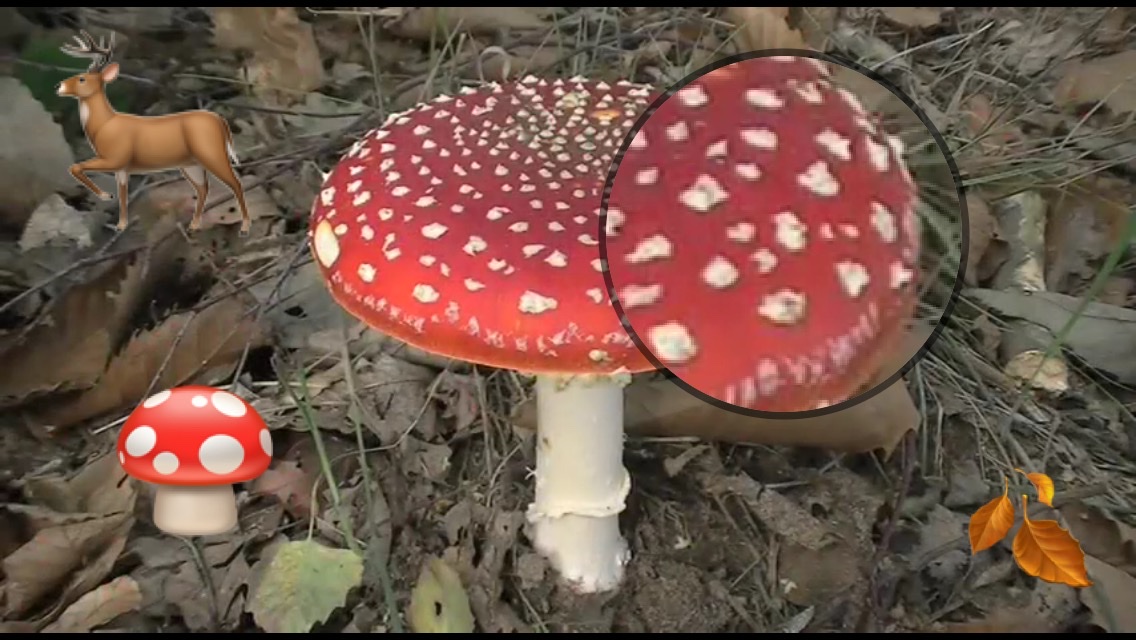
Made in October 2011 [VIDEOS], three great things to look out for this month: acorn crazy Jays, Rutting Fallow Deer & fun looking Fungi!
🥜 🦌 🍄
Apologies for the inaccuracies in the Fungi video; pronunciation of hallucinogenic and apparently you can eat Amethyst Deceivers – but it is better to be safe than sorry! (No matter how good a recipe sounds!)
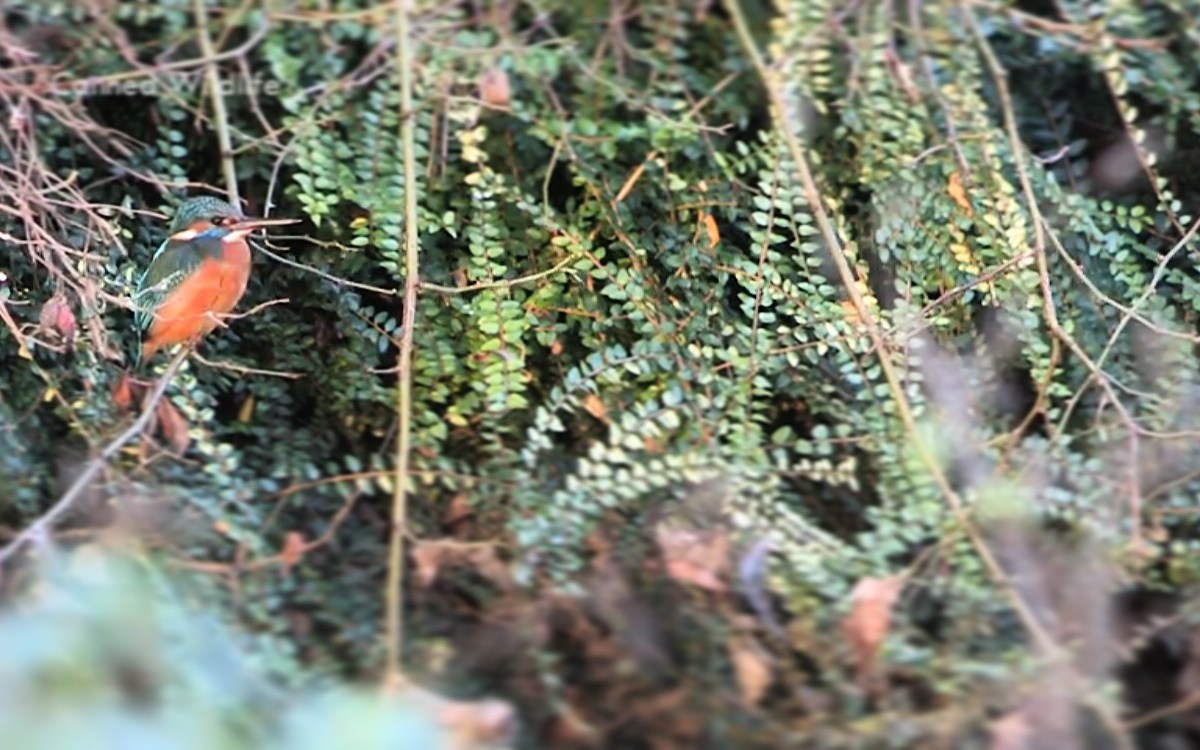
On Tuesday I got up somewhat early, to arrive in Leicestershire for sunrise, where I met up with my friend James Burman. We planned to have a full day to locate, observe and film (or photograph in James’s case) his local Kingfishers, which frequent a river in the middle of a fairly busy town.
Six years ago it was a similar mild and wet December, I happened to be looking on Twitter when I saw a tweet announcing that there was a large flock of Waxwings, at the Midlands best garden centre, Webbs of Wychbold in north Worcestershire.
It had been several years since the last irruption of Waxwings and it wasn’t a bird many people had seen, I had never seen any before and so like many people from all over the West Midlands region (and maybe further afield), I descended on Webbs of Wychbold.
Of course I took my trusty video camera along with me, it would have been madness not to get footage of these beautiful birds! Journalists at the local BBC Studios in Birmingham got wind of ‘something going on’ and so I decided to inform them of what it was and sent them a copy of the video I made (below).
BBC Birmingham loved my video, so I met up with Environment Correspondent, Dr David Gregory-Kumar and his lovely producer and cameraman, to be part of a news package on the Waxwing irruption (below).
Today I found out the collective noun for Waxwings is a museum or an earful. 😆
The now classified as Near Threatened on the IUCN Red List, UK Amber and Red List species under the Birds of Conservation Concern review and as a Priority Species in the UK Biodiversity Action Plan, Eurasian Curlew are still holding on at Upton Warren in the landlocked county of Worcestershire in the West Midlands region, and they can be seen throughout autumn and winter, roosting at The Flashes most evenings.
For waders they’re large and tall, approx the size of a female Pheasant – making them the largest European wading bird. Their haunting call (‘Cur-lee’) is unmistakable – it’s one of my favourite bird calls – it can be heard from February through to July on its breeding grounds; wet grasslands, farmland, heath and moorlands. From July onwards coastal numbers start to build up and peak in January.
Curlews feed on worms, shrimps and shellfish. The largest concentrations of them are found at Morecambe Bay, the Solway Firth, the Wash and the Dee, plus, the Severn, Humber and Thames estuaries. Their greatest breeding numbers are found in north Wales, the Pennines, the southern uplands and east Highlands of Scotland and the Northern Isles, plus, Antrim Plateau (Glenwherry) and Lough Erne Lowlands (Upper and Lower) in Northern Ireland.
The agricultural intensification (e.g drainage and reseeding) of upland farmland and moorland – plus the afforestation of moorland – is a big factor in the decline of their breeding population.
Just a (very) short one, to say: Finally! I have an ‘About Me‘ page! 😀 I’ve decided I will be gradually turning my WordPress into my website, so it becomes more than just a blog!
In the past I used Webs, I believe my website there was looking ‘dated’ and I no longer do anything branded Nature On Screen – so I stopped using that site. Eventually Canned Wildlife will look great!
A lot of birds are quieting down now, but Yellowhammers 🐤 are continuing to sing away! Plus this is another great month for seeing some beautiful Butterflies! 🦋
For 2017, what I would like is Nature Conservation to be taken more seriously by Councils and the Government. They need to properly see it as a Universal Problem. It is not an issue only for a certain class system, region, gender, sexuality, age or level of education – we all share this country, and caring for nature and our natural environment is everybody’s responsibility. Hopefully Planet Earth II was a wake up call for those that work for a Town / City Council or as an MP who have not signed the Greener UK pledge.
I also hope it has encouraged people to support their local nature conservation charities.
Hearing about woodland / greenbelt being decimated for housing developments (or HS2) angers me – it is disgusting and very ill considered, as there are plenty of derelict buildings and brownfield sites that should be used instead! Urbanisation is not progression, it’s alienation. There is less crime in places with woodland / greenbelt and it reduces stress in people of all ages. They are great for escapism, as they’re somewhere to walk your dog or get fresh air alone or with your partner or friend(s). Such places boost children’s will to learn and they are often more imaginative and creative – it’s somewhere for these children to explore and find wildlife too! It also improves house sales – people want to live near areas surrounded by greenery, because, let’s face it, it is pleasant! Trees, hedgerows and grasses filter impurities from the air and also help lower temperatures during heat-waves. Trees reduce erosion of soil, which finds its way into our waterways during periods of heavy rainfall. This then has the knock on effect of creating flooding because of the build up of silt – due to the lack of trees in the first place. They are also a much needed habitat for nature; plants and animals need somewhere to live and have safe connecting passages between urban sprawls.
Re-wilding our Towns and Cities needs to happen, all over, they should be made greener than they already are, for example Birmingham, it is already a surprisingly green city, but being greener will make it better. I champion Matt Collis and the Avon Wildlife Trust for making Bristol even greener! As you know, more trees are needed to helping fight Climate Change, as they reduce the Carbon Dioxide in our atmosphere. More trees will increase oxygen and with increased oxygen levels, the health of people and wildlife will benefit. More oxygen in the air can stabilise unknown and potential pulmonary hypertension (raised blood pressure within the pulmonary arteries) and irregular heart rhythms caused by the lack of oxygen in the air. Plus more oxygen to the brain relieves depression and fatigue. Many diseases including cancer, thrive in an oxygen depleted body.
Longbridge in south Birmingham
What would I like for myself this New Year? Well, I am currently on a City & Guilds Level 3 Diploma in Conservation, Countryside & The Environment – ideally I would like to complete my qualification at overall Distinction and would then like to work for a NGO specialising in Re-wilding, therefore assisting in restoring Britain (in urban and rural places too) to its natural glory!
In the past I have achieved several Media Production qualifications, my highest being a Level 5 Higher National Diploma. I have considered a Masters, but Academia isn’t really for me, I would rather be out there getting on with it, or even teaching it! Around 6 years ago I combined my passion for wildlife and filmmaking, and have recently been co-presenting / co-producing a series with Jamie Wyver, about nature conservation for Cambridge TV (now called That’s Cambridge).
Filming for The Wild Side
The series is entitled The Wild Side and it was broadcast to the city and has been put online for everyone to watch. It would be brilliant if I get the opportunity to present a series with another TV station or even for a channel that broadcasts nationally. I love how imaginative and creative ideas can come to life on screen, to entertain and inform an audience.
I was at the Birmingham N.E.C yesterday and today – as a member of Press – to report on BBC Gardeners’ World Live (but my focus was on the wild side of it).
I interviewed a number of interesting people (the interviews haven’t all been edited together yet) and in the video below, I have taken a selection of clips from the interviews; showing gardeners – from all walks of life – enthusing about nature:





 Canned Wildlife
You must be logged in to post a comment.