A few years ago I made a series of short videos which were featured on the Reader’s Digest Magazine website, entitled Wildlife Monthly.
Each month I produced 3 videos around a minute or more, detailing flora and fauna (mainly fauna) for you to look out for; be it in your garden, local park / reserve or further afield.
Below I have included the videos from my May edition(s).
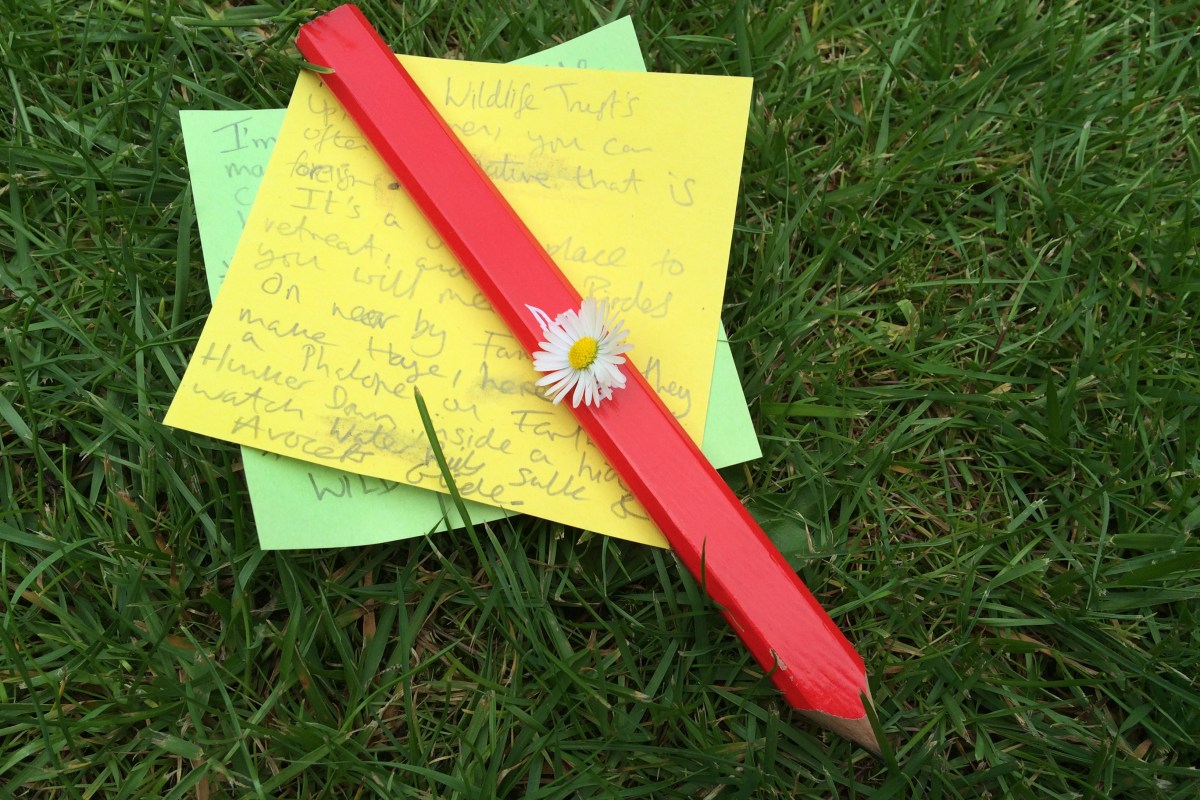
The weather has been inclement again, and I was off to the N.E.C later as a member of Press, to report on BBC Gardeners’ World Live. So I opted to write a wild poem; I was happy there was a break in between showers, because I was able to get out into my partner’s garden to recite my poem.
More info: The course is ran by B’ham Metropolitan College at the Botanical Gardens – the course involves; boundary habitat conservation, ecological surveys and techniques, ecology of trees, woods and forests, game management and environmental studies.
I have been working most of the first few days of June, so I’ve opted for easy Acts of Wildness (I have had no choice really) for my 30 Days Wild ‘challenges’. They are still enjoyable mind! I particularly enjoyed Encourage wild at work, because it made me bring nature into the work place – more specifically; the staff canteen! 💚
So what did I do? Well, on my lunch break I put the Springwatch Webcams on the TV, it happened to be adorable Little Owls which were on screen. 😃
Sophie, my colleague and friend, showed some interest and happily sat down in front of the TV:
For day three, I caught up on Springwatch and UNSPRUNG episodes that I’ve missed, plus I’ve put together a short video of my highlights at RSPB Minsmere (below) featuring:
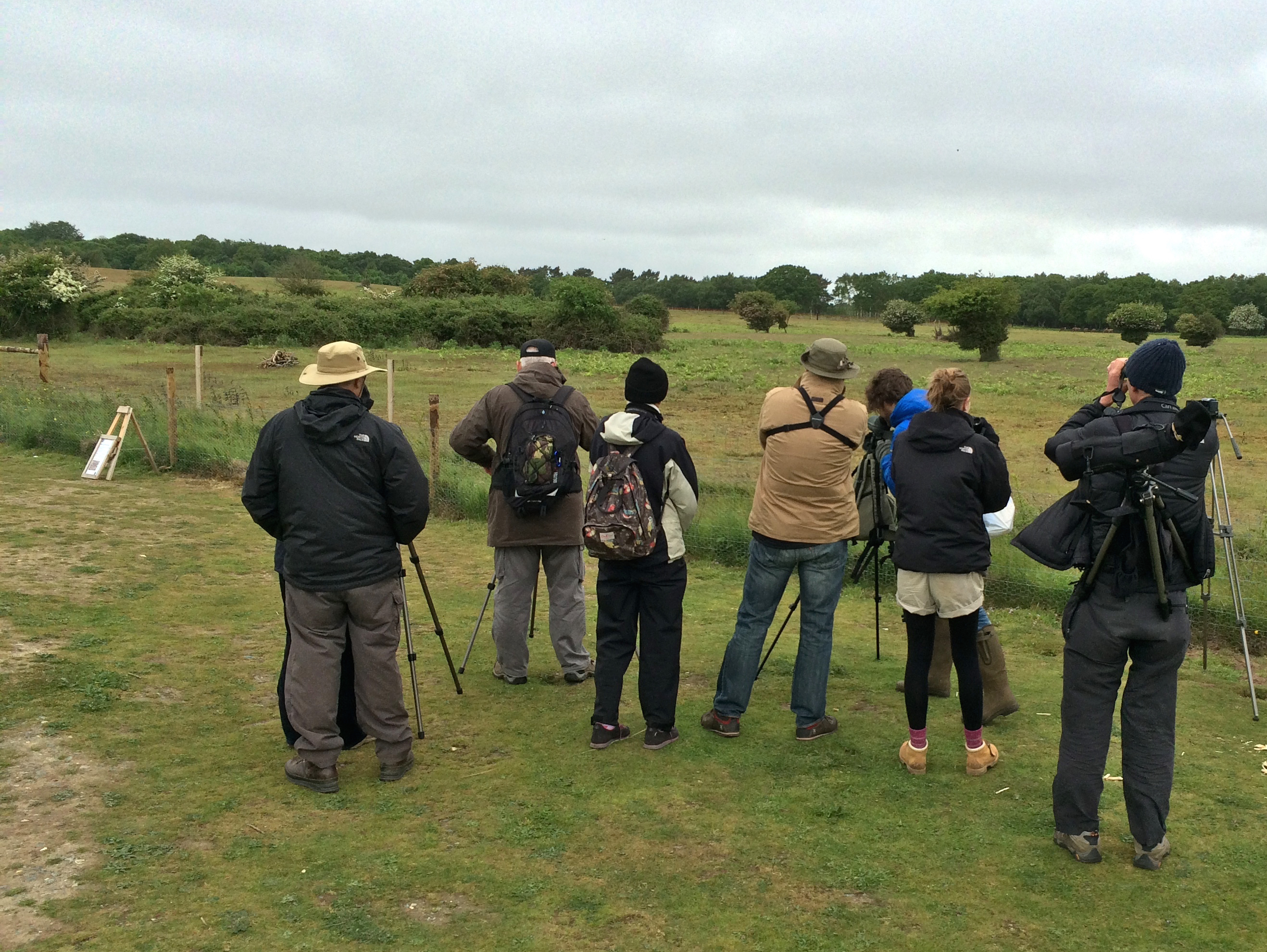
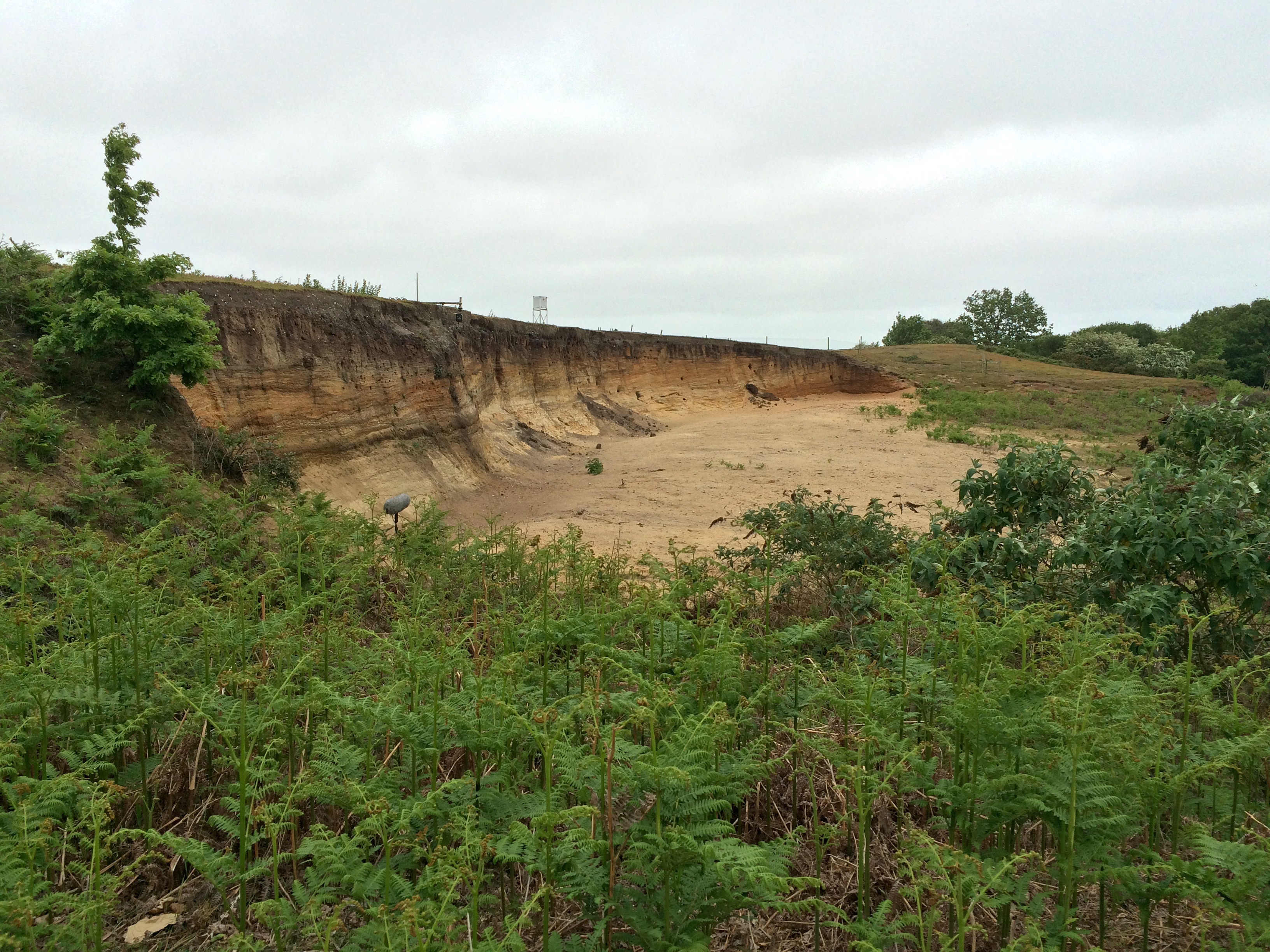
I travelled near enough 4 hours from the West Midlands to Suffolk, so I could visit RSPB Minsmere, and also be in the BBC Springwatch Unsprung audience! Some of you will know, it’s a reserve right on the East Coast of England! And is a host to a variety of habits, wildlife and of course, BBC Springwatch! 😃 I came over on the Wednesday night and stayed in near by Leiston, at the Field End Guest House.
I often wax-lyrical (to friends and family) about reserves that have a variety of habitats, I absolutely love them, because they are so enriching to explore and will be home to many different species of wildlife, which is fantastic to observe and have encounters with.
RSPB Minsmere certainly deserves it’s national recognition! I will definitely be visiting again in the near future! I arrived on the reserve at 10.30AM.
I was very happy to be there!
I love a good Log Pile and what an amazing extensive one this is!Top Nature of the Day:
That’s the Bittern Hide in the distance said Orchid Observing the Stone-Curlew (in the distance) Sand Martin colony Sea ThriftAt 5.00PM it was time to load the car up and get ready for Springwatch UNSPRUNG!
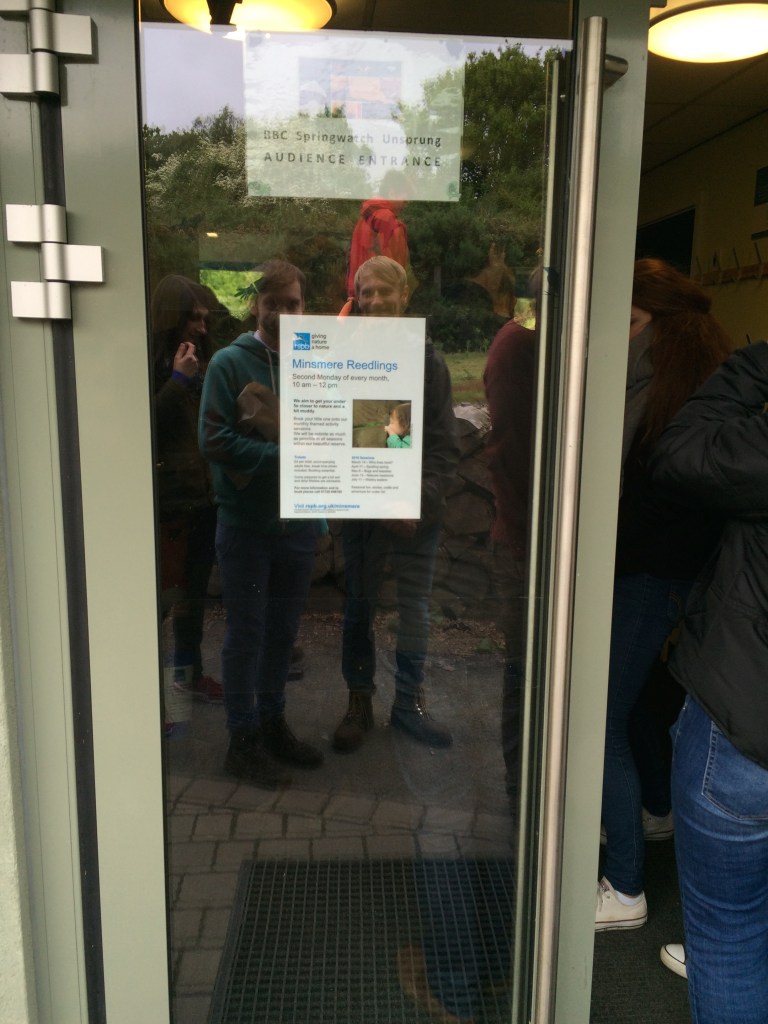
Cueing up for Unsprung with Gary Waiting to be let into the Studio! To see me on UNSPRUNG click here!
This month I’ve decided to focus on some wildlife that takes a backseat, and is often overlooked – Reptiles and Amphibians! 🐍 🐸
ARG UK have teamed up with Amphibian and Reptile Conservation; to bring us a Record Pool of our water loving and sun loving friends! In the video below I interview Underwater Cameraman, Jack Perks – to give us some tips and the lowdown on this nationwide survey.
If you’ve not seen or heard of Wildlife Monthly;click here.
This month’s instalment features one of our large feathery winter visitors from the high Arctic; the Bewick’s Swan. Part of the “Wild Swans” family, they’re not sedentary but are free-roaming and make a lot more noise than Mute Swans do – with their load trumpeting calls which often mark their arrival. They are also famously known for their individual black and yellow beak markings – allowing each bird to be identified and studied, which the staff at WWT Slimbridge in Gloucestershire, have been doing since the 1960’s. They’re named after the celebrated bird illustrator, Thomas Bewick – and funnily enough, the yellow on a Bewick’s Swan’s beak forms the letter B!
To see my video on the Whooper Swan (another member of the Wild Swan family) click here.
Wildlife Monthly – my seasonal video guide to British wildlife – is back! 😃
It has been 5 whole years since my first ever episode! There were two series in total, which Reader’s Digest Magazine featured on their website, with the last episodes being uploaded at the end of May 2012. Each month I produced 3 videos around a minute or more, detailing flora and fauna (mainly fauna) for you to look out for; be it in your garden, local park/reserve or further afield.
The idea this year, if all goes to plan, is to produce a single video per month, following that same criteria. Episode 1 of 2016’s Wildlife Monthly is in support of the RSPB’s Big Garden Birdwatch, in which I made some pink bird food. It was filmed at Moseley Old Hall – National Trust, which is in located on the boarder of South Staffordshire and Wolverhampton – where for the day, I was Lord of the Manor. 😉
Red Fat Balls and Lard Cake Recipe:
250g Lard (I used dripping, it’s fine to use suet and vegetable fat)
150g Sunflower Hearts
100g Crushed Peanuts
50g Porridge Oats
1 Red Gel Food Colour (Dr. Oetker)
Doubtless you’ll be doing yours in a kitchen!
Crush the Peanuts with a pestle and mortar, or put them between a tea-towel and whack them with a rolling-pin.
You don’t want to deep-fry the food, so just melt your chosen fat on a low-to-medium heat/flame.
(Add everything to the lard and mix together) Turn your heat right down. When everything is mixed together, line a small cuboid container with either grease-proof paper or clingfilm, fill it with the mixture halfway and pop it into the fridge – to set for an hour – creating your Lard Cake.
Pop the rest of the mixture into the fridge for approx. 45 minutes, stirring every few minutes initially, so when it comes to making the mixture into balls it’s at the right consistency.
Roll the mixture into fatballs – you should get approx. 6 in total.
The rest is self-explantory/can be gathered from my video above…
The breeding population of Goldfinches has risen by approx. 91% in recent years, and in Ireland the increase was around 158%! The British Trust for Ornithology has launched a survey to determine what is attracting these fabulous finches to our gardens. — BTO.org/Goldfinch-Survey
It’s estimated that since the 70’s we have lost 6 million House Sparrows! However, I’m proud to write; in Birmingham they are in good numbers! Along with Devon and Dorset, bucking the trend. 😊
UPDATE:
These are the results from my Garden Birdwatch (31/01/2016)
To catch up on pervious episodes of Wildlife Monthly, click here.











 Canned Wildlife
You must be logged in to post a comment.