Pilewort or Lesser celandine (Ficaria verna), flowering between January and April; these lovers of damp woodland pathways, stream banks and ditches, can be found in gardens, meadows and shady hedgerows, and even Narnia, yes, Narnia! ✨
Ficaria verna growing on the bank of a field edge
An important nectar source for early emerging insects from hibernation, such as Queen Bumblebees 🐝
Lesser celandine were used to treat haemorrhoids, hence “Pilewort” and scurvy, due to being high in Vitamin C.
Dwelling in moist places; Alder grow near rivers, ponds, lakes and in wet, swampy woods, also known as Carrs.
Their flowers were used as green dye, to colour and camouflage the clothes of outlaws, like Robin Hood and to also colour the clothes of fairies 🧚🏻♂️
Flowering between February and April, Alder catkins provide an early source of nectar and pollen for Bees, and the seeds are eaten by Goldfinches, Siskins and Redpolls.
Alder catkins
The pale wood turns a deep orange after being cut, giving the impression of bleeding. So, in the past, many people feared them and the Irish thought it was unlucky to pass one on a journey 😅
The roots have nitrogen-fixing nodules, conditioning the soil and improving soil fertility on former industrial wasteland and brownfield sites.
Alder leaf beetles (Agelastica alni) feed on the leaves of alder trees. They’ve become common in parts of England and Wales since 2004.
It was said that a few Alder leaves placed in the shoes before a long journey would cool the feet and prevent swelling 🤷🏻♂️
Being a tough species of tree, their wood doesn’t rot when waterlogged, instead it makes them harder and stronger. Plus, mature trees can reach a height of approximately 28 metres and live to around 60 years.
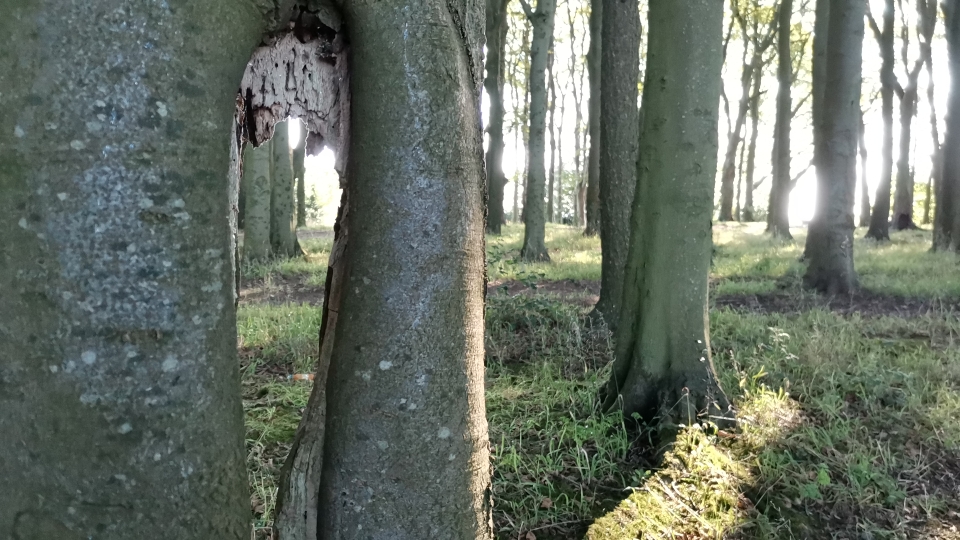
A few years ago and around May last year; I visited the Frankley Beeches woodland. I noticed it was being ill-managed and not really being cared for.
I have grown up with this remarkable wood, as my local landmark for 30 years (my entire life), and despite it looking lovely on the outside, it unfortunately is not the same on the inside!
Research concluded that it is the National Trust that haven’t been doing (their job) anything with it for years, and Bromsgrove District Council cannot have cared much either…
When I visited it last, it was in much need of restoration & conservation, within the wood there are dead & damaged trees, plus rubbish & disturbed soil from its careless visitors. The anthropogenic effect on the woodland is very much the same to this day!
I recently did a Tweet, tagging in those who it concerns and may care about the Frankley Beeches, and yesterday (01.09.2020) I visited there and made this video:
It appears there has been some removal of the added non-wild flora, which is great and I didn’t really notice any non-native invasion flora.
Today (02.09.2020) the National Trust in the Midlands got back to me on Twitter:
“…thank you for raising your concerns with us. I’m pleased to hear that you have seen a difference to the site. Unfortunately, like many places, we only have a small team who can complete essential tasks right now but we will make sure to take on your feedback when we update the conservation management plan. We did not put in place the plastic tree guards, but I have let the team at Clent Hills know that they are now littered around…”
So it’s the Clent Team who (are to blame) haven’t been doing anything for years, until fairly recently 🤔 I am pleased they finally replied to me, as a few years ago, I emailed them and was ignored!
Sorry to hear of their small team, thus causing neglect and negative knock-on effects to much cherished places…
There we have it, 30 Days Wild! Today is the last day of Random Acts of Wildness 🥳 So I am looking back over the past 29 days, and in this post I am sharing my highlights 💚
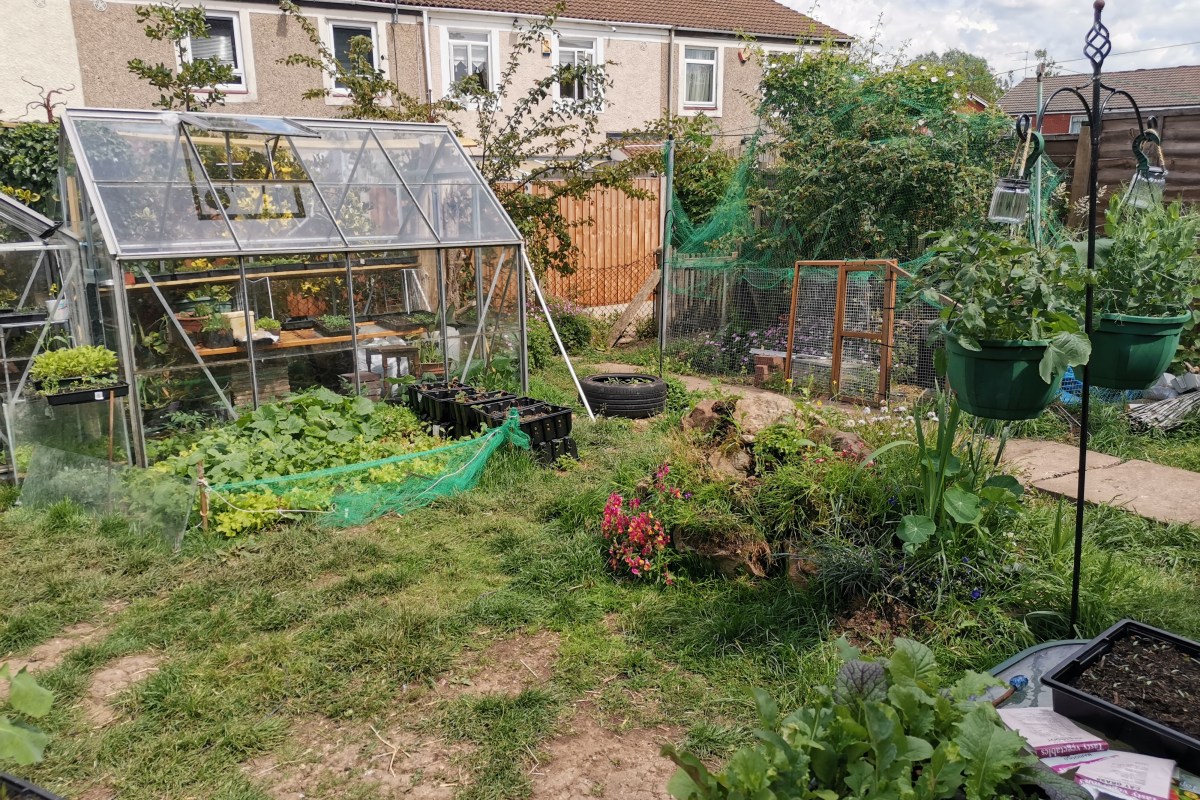
Today I visited an Urban Organic Micro Farm, called Rea Spring Gardens – which is a short walk away. It is own and ran by a lovely, enthusiastic couple, Charlie and Ashley, who farm with wildlife and the environment in mind 🌍
In the video below, you get to see what they grow and the animals they keep! 👨🏻🌾
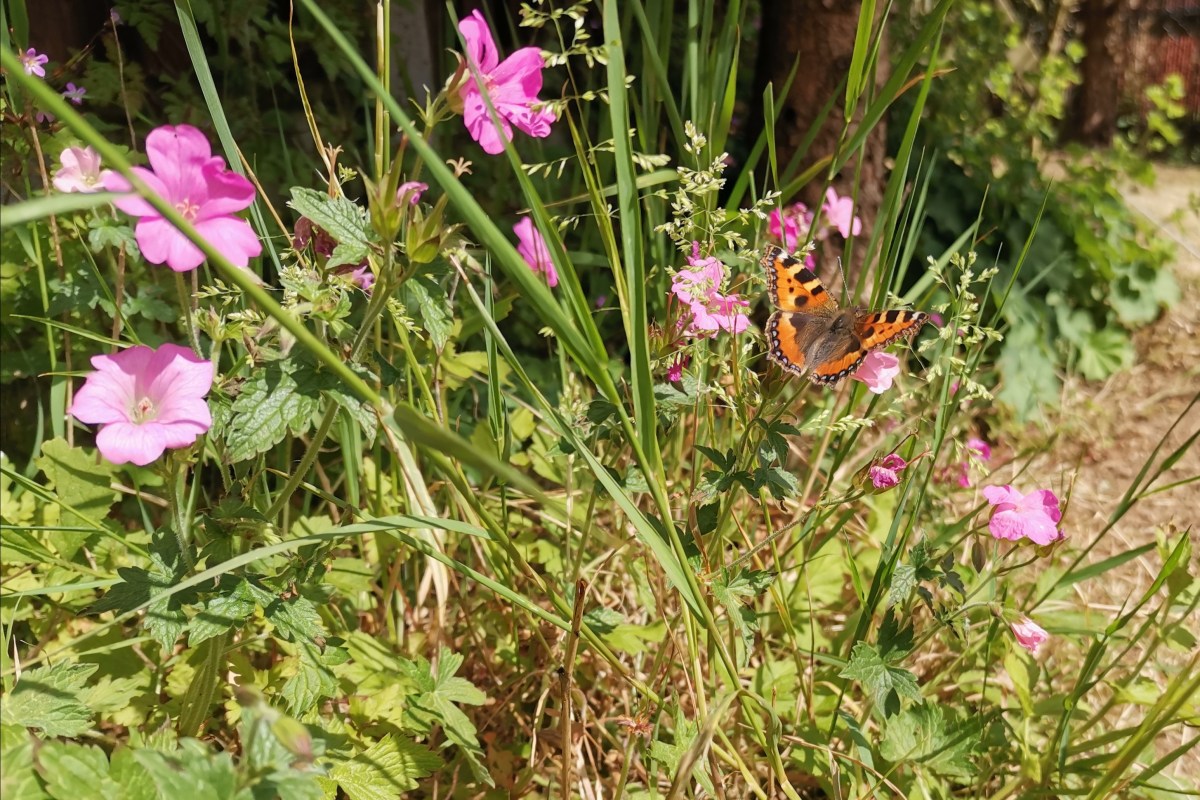
Most of the day was chilly & grey, but when there was a warm sunny spell, the Bees came out in force to feed on the Cranesbill Geraniums etc in the garden 🐝 💚 🌸
After a lovely walk around my local wood & a wee heritage site, I got back to find a beautiful Butterfly basking in the sun, in the garden, & I managed get some lovely footage of it! 😊
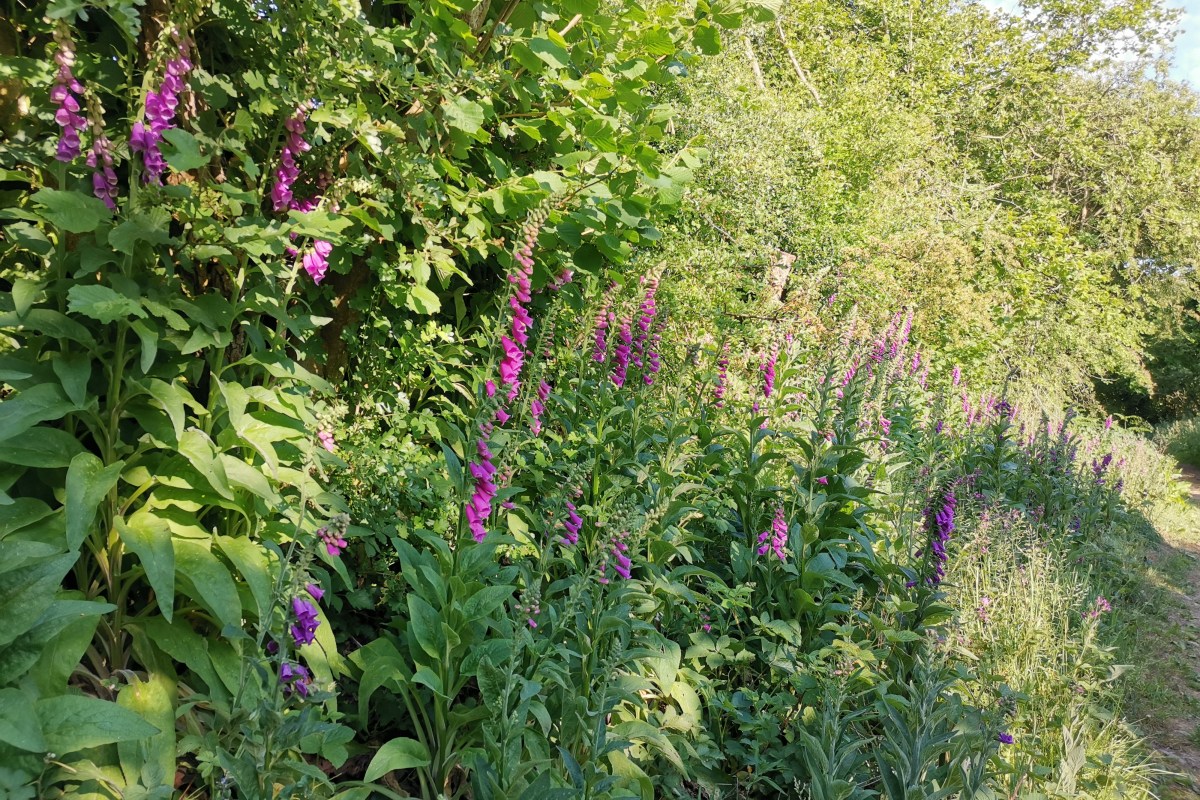
On Monday, whilst walking passed some Foxgloves with my Mom up the Waseley Hills Country Park, I remembered that we had some seeds at the back of one of the kitchen cupboards 😉














 Canned Wildlife
You must be logged in to post a comment.