For a couple of weeks, since the bottom part of the flowerbed was dug over, I have observed House Sparrows having sand / dust baths & I thought to myself, I must get footage of this!
My attempts failed, at first, because they either didn’t turn up or I had just missed them, or it was raining 😅
However, today I thought I would give it another go and within about 5 minutes into recording they showed up & I got footage! 👇🏻
I plan on getting closer & better footage very soon!
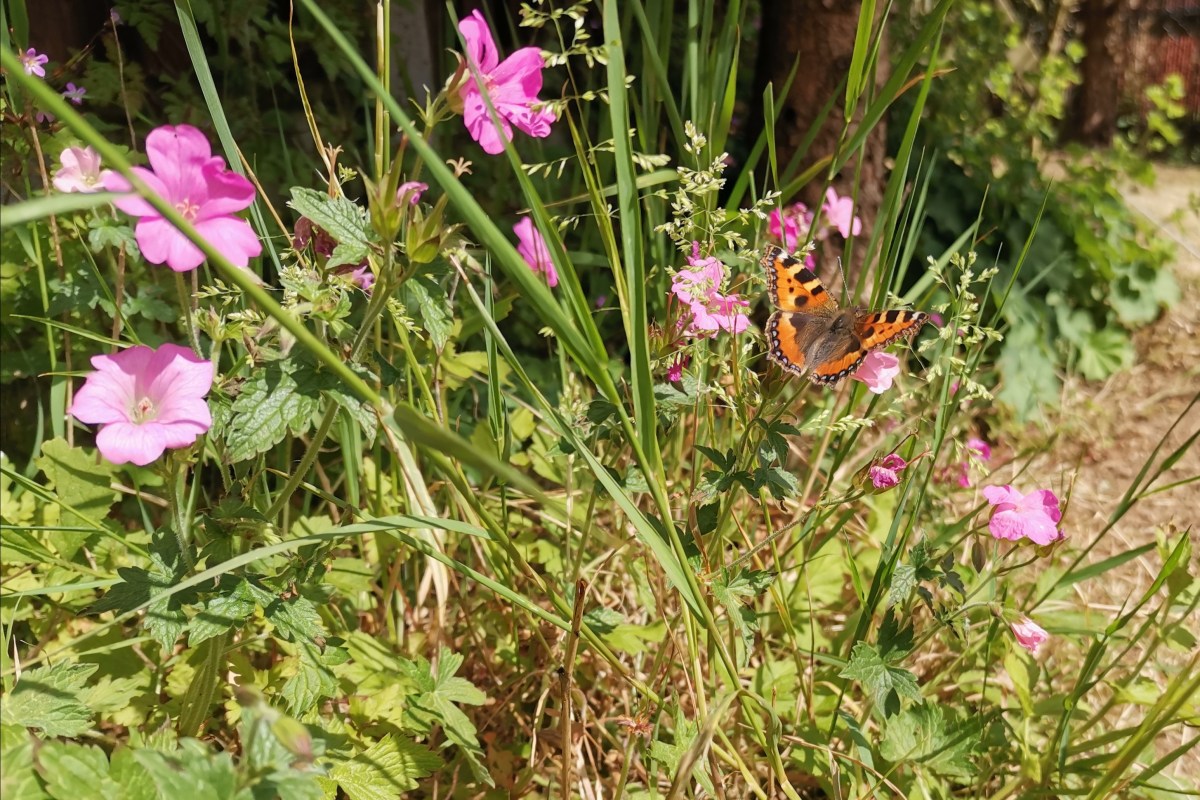
After a lovely walk around my local wood & a wee heritage site, I got back to find a beautiful Butterfly basking in the sun, in the garden, & I managed get some lovely footage of it! 😊
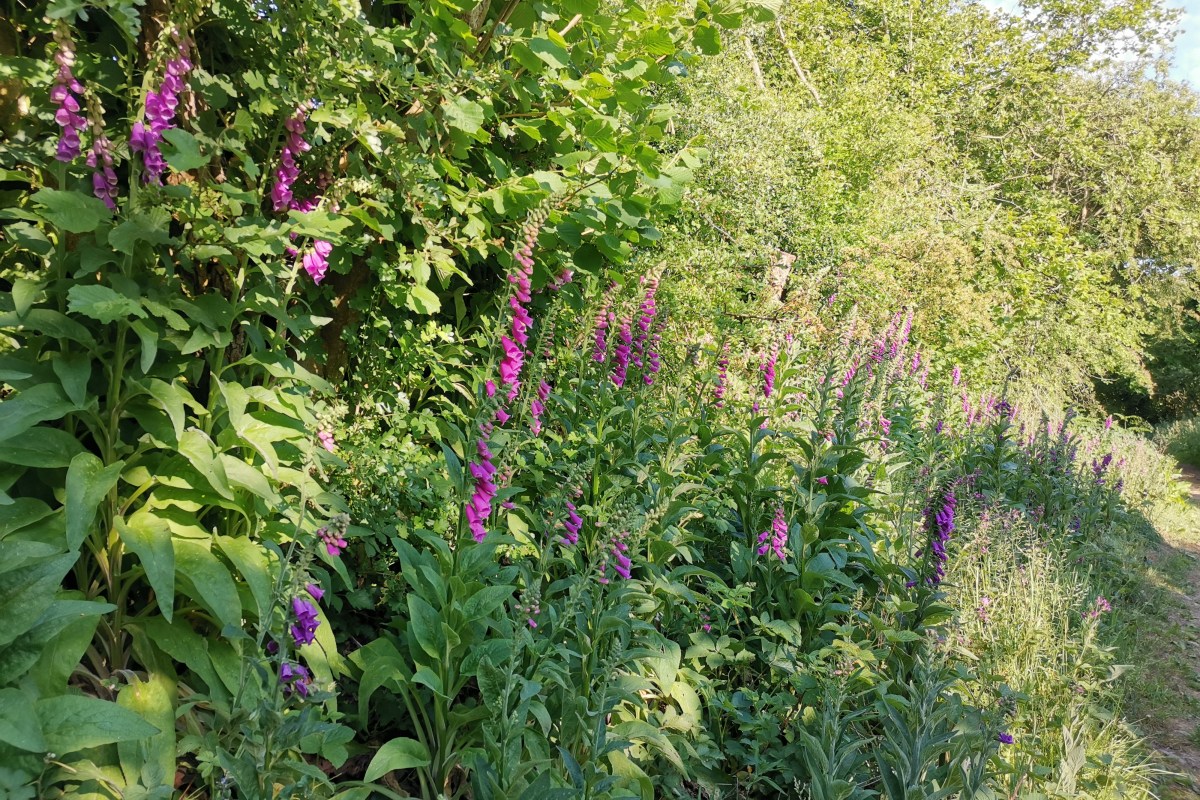
On Monday, whilst walking passed some Foxgloves with my Mom up the Waseley Hills Country Park, I remembered that we had some seeds at the back of one of the kitchen cupboards 😉
It’s that time of year again! To do something nature related & connect with the natural world every day in June, a “Random Act of Wildness” – as suggested by The Wildlife Trusts.
This morning I got up at 4pm to listen to the Dawn Chorus 💚 🐦 🎶 (Then went back to sleep 😆).
Yesterday I saw a lovely species of Moth in the Garden, for the first time, so I have included a video of that video too! 😀 🦋
In the early evening I went for a lovely walk with my Mom, around the Waseley Hills Country Park 🏞️ ❤️
You can make out the Malvern Hills AONB in the distance 😍
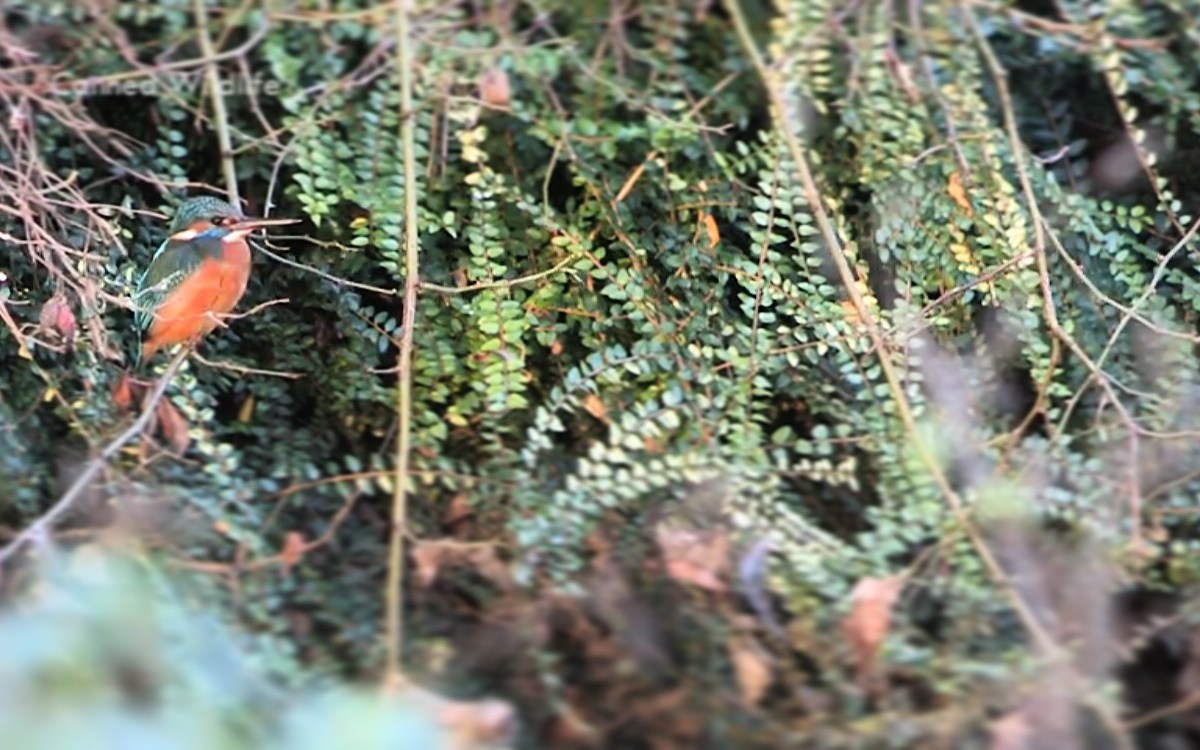
On Tuesday I got up somewhat early, to arrive in Leicestershire for sunrise, where I met up with my friend James Burman. We planned to have a full day to locate, observe and film (or photograph in James’s case) his local Kingfishers, which frequent a river in the middle of a fairly busy town.
The now classified as Near Threatened on the IUCN Red List, UK Amber and Red List species under the Birds of Conservation Concern review and as a Priority Species in the UK Biodiversity Action Plan, Eurasian Curlew are still holding on at Upton Warren in the landlocked county of Worcestershire in the West Midlands region, and they can be seen throughout autumn and winter, roosting at The Flashes most evenings.
For waders they’re large and tall, approx the size of a female Pheasant – making them the largest European wading bird. Their haunting call (‘Cur-lee’) is unmistakable – it’s one of my favourite bird calls – it can be heard from February through to July on its breeding grounds; wet grasslands, farmland, heath and moorlands. From July onwards coastal numbers start to build up and peak in January.
Curlews feed on worms, shrimps and shellfish. The largest concentrations of them are found at Morecambe Bay, the Solway Firth, the Wash and the Dee, plus, the Severn, Humber and Thames estuaries. Their greatest breeding numbers are found in north Wales, the Pennines, the southern uplands and east Highlands of Scotland and the Northern Isles, plus, Antrim Plateau (Glenwherry) and Lough Erne Lowlands (Upper and Lower) in Northern Ireland.
The agricultural intensification (e.g drainage and reseeding) of upland farmland and moorland – plus the afforestation of moorland – is a big factor in the decline of their breeding population.
Out of the videos I have made, these three videos are definitely some of my ‘favourites’, as I love Water Rails, Whooper Swans and enjoy feeding the birds, and playingaround in the kitchen. 😀
We were pretty much Frozen Britain recently, certainly in the West Midlands…












 Canned Wildlife
You must be logged in to post a comment.